
Last updated November 25, 2026
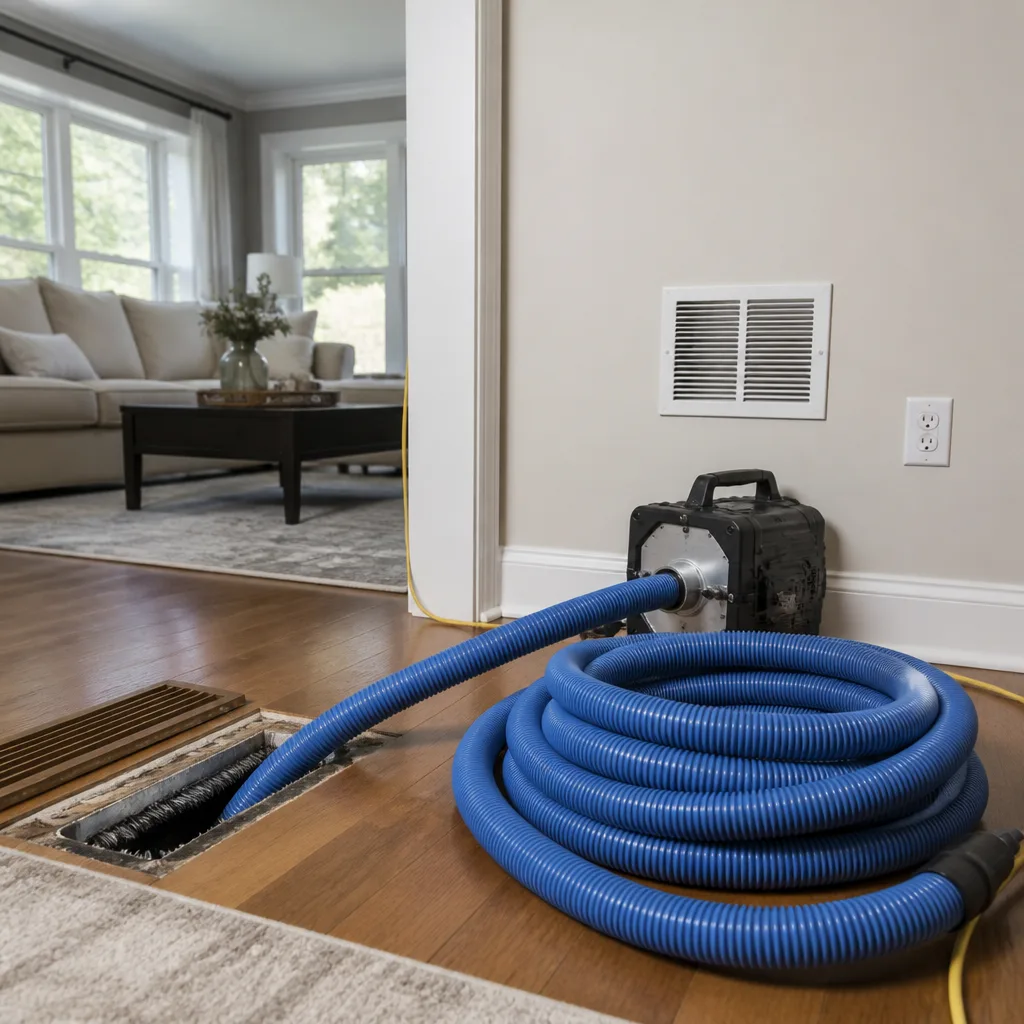 Whole-home duct cleaning
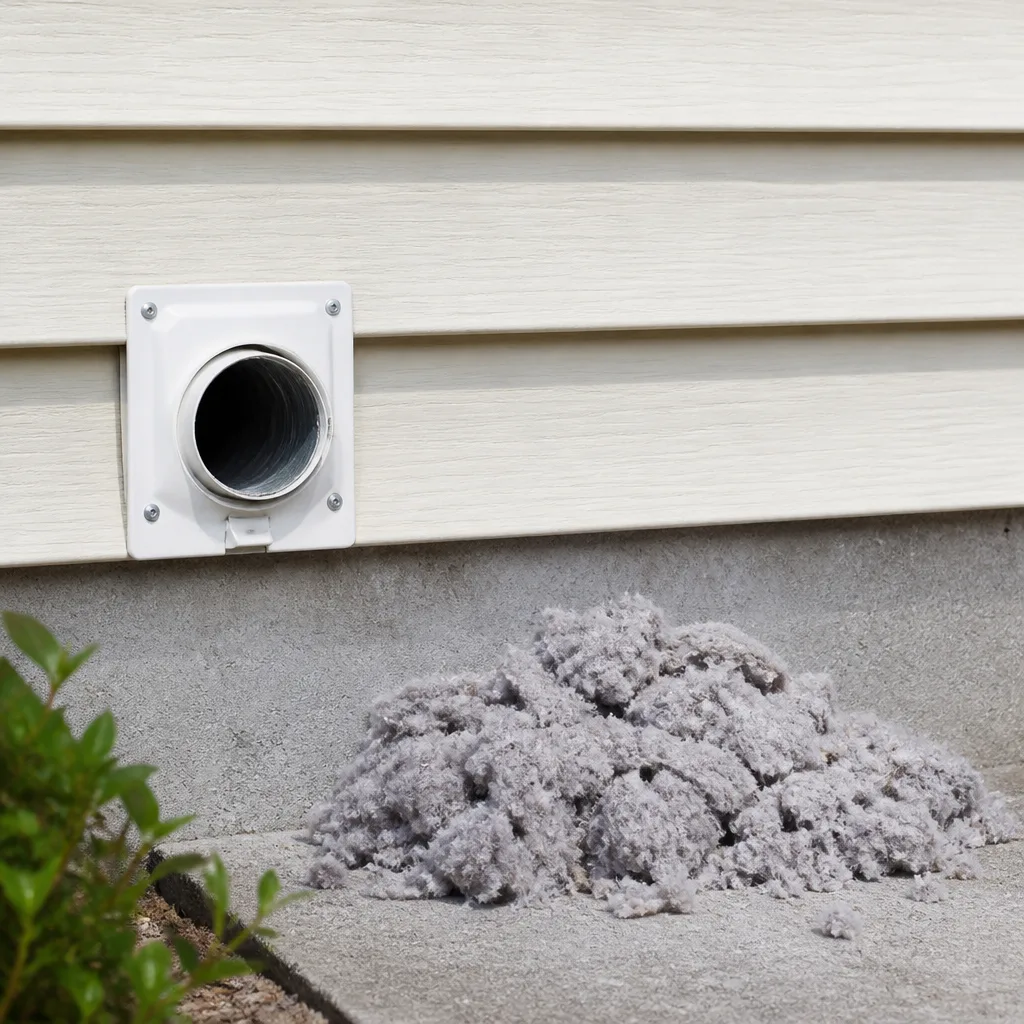 Dryer vent cleaning
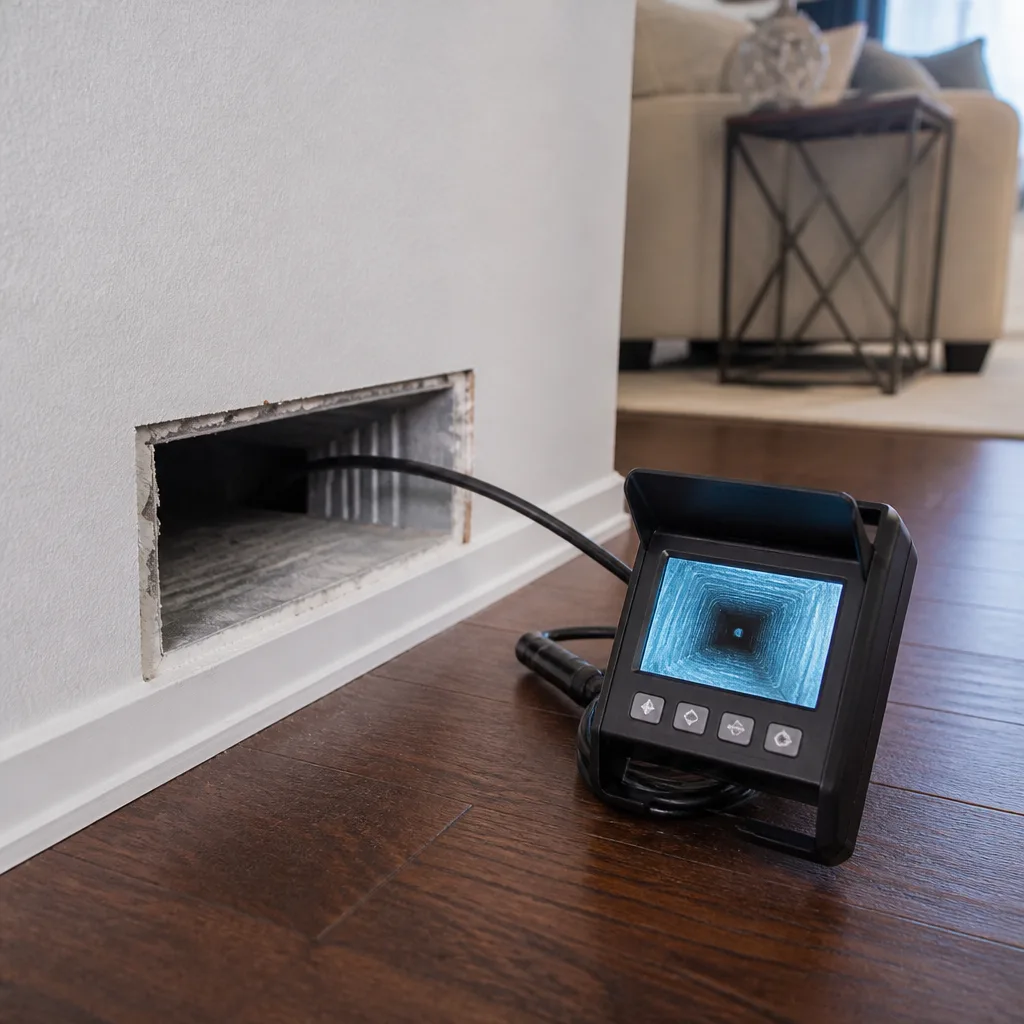 Camera inspection
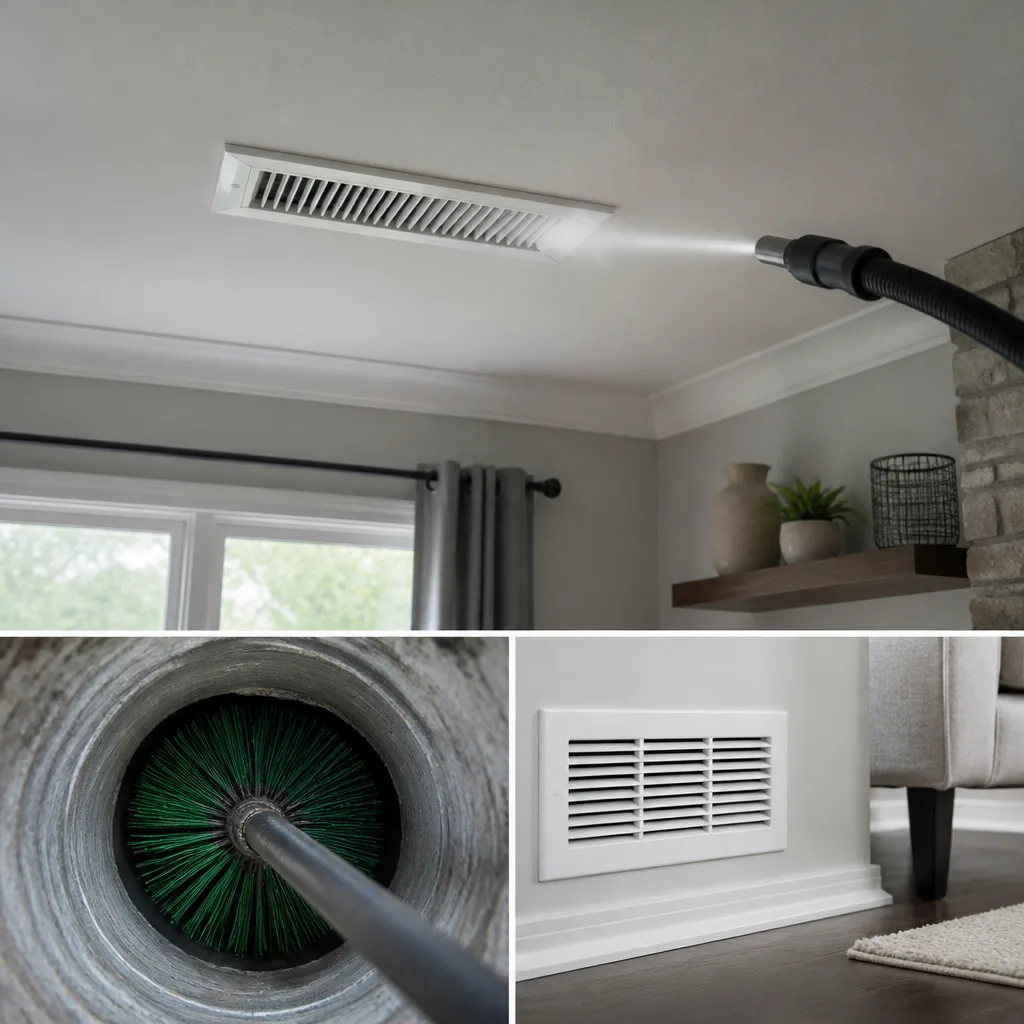 Sanitizing & deodorizing
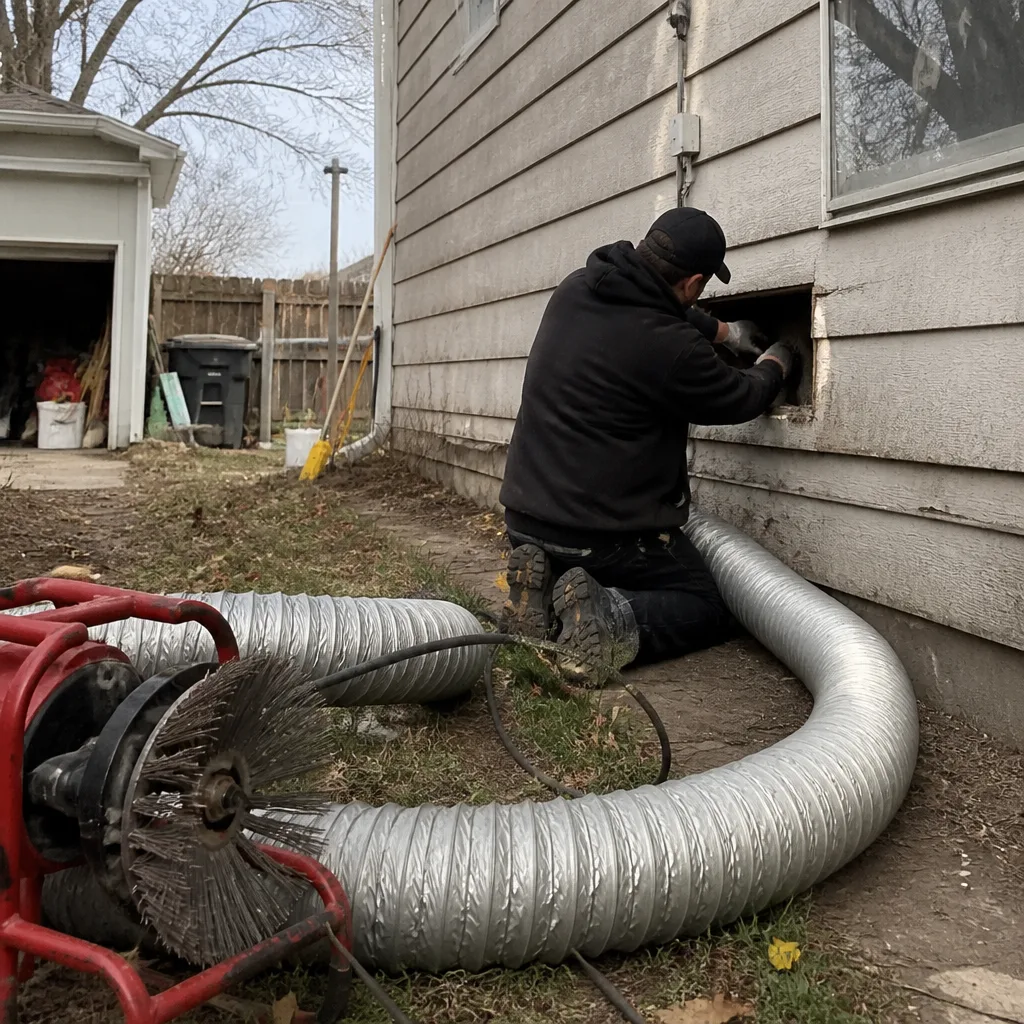
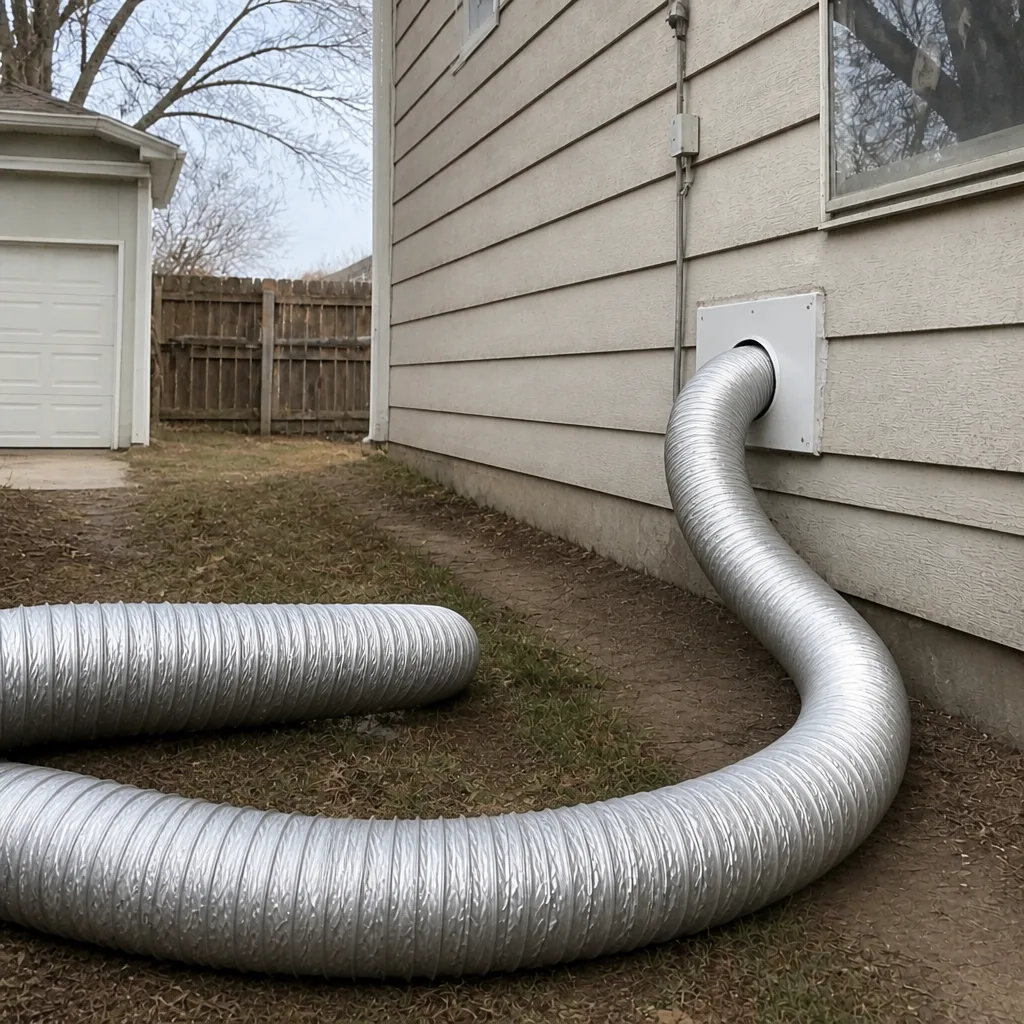
Whole-system duct and dryer vent check with before-and-after photos - you see exactly what came out of your vents
That "$99 whole-house special" is a bait ad - the real number appears once they are in your hallway, or the "clean" is a shop-vac at the register. We photograph the inside of your ducts before and after instead.
The Complete Guide to Air Duct Cleaning in Northglenn
Here’s a fact that surprises most homeowners: the EPA has never published a recommendation that ducts be cleaned “routinely.” What it actually says is that if a system is contaminated, it should be cleaned. Those two statements get sold as if they’re the same thing, and the gap between them is exactly where people in Northglenn get talked into work they don’t need, or sold a service that doesn’t touch the parts that matter. This guide is about closing that gap. We’ll walk you through what full-system cleaning actually means, why Northglenn’s climate pushes a particular kind of dust into return systems, how to tell real source removal from a vacuum that never left the register, and what a fair scope checklist looks like before anyone carries equipment through your door.
Quick Answer
Air duct cleaning in Northglenn is the removal of accumulated dust, debris, and biological growth from the entire air pathway – not just the supply runs you can see through the register grille. A proper job covers the return side, the main trunks, the air handler’s coil and blower wheel, and the plenum, using contained negative-pressure equipment with agitation tools. If your home has visible dust streaking at registers, a family member with allergies, or a system that hasn’t been opened up in years, a full-system cleaning is work worth doing. If someone quotes you a cheap flat rate over the phone without seeing the system, that’s a price for a vacuum pass, not a cleaning.
Styles & brands we work with
- Whole-home duct cleaning
- Dryer vent cleaning
- Camera inspection
- Sanitizing & deodorizing
Table of Contents
- Why Northglenn Homes Collect More Duct Debris Than You’d Expect
- Source Removal vs. Blow-and-Go: What the Equipment Actually Tells You
- The Air Handler Is the Part Everyone Skips
- How to Verify Your Ducts Were Actually Cleaned
- The Full-System Scope Checklist
- What Air Duct Cleaning Costs in Northglenn
- Why Cleaning Without Repair and Sealing Undoes Itself
- How a Professional Cleaning Actually Runs
Why Northglenn Homes Collect More Duct Debris Than You’d Expect
Northglenn sits in a semi-arid band along the Front Range, and that geography does something specific to your HVAC system. Winters run dry, summers get dusty, and when the wind picks up over open ground and new construction, fine particulate rides the air in every direction. Add to that the clay-heavy soils common across this part of Adams and Weld counties. Clay doesn’t absorb water the way sandy soil does; it swells, dries, cracks, and produces a fine mineral dust that gets tracked indoors and pulled into return air.
What that means in practice is that your return side does more work than you’d think. Return ducts run at negative pressure – they’re pulling air in, not pushing it out – so loose particulate gets drawn toward them from every room in the house. Over a couple of seasons, that fine, mineral-heavy dust settles on the return plenum walls, coats the blower wheel, and builds a mat on the upstream face of the evaporator coil. It’s not the fuzzy gray lint you’d find behind a dryer. It’s denser, grittier, and it doesn’t blow out on its own.
Northglenn’s housing stock makes this worse in a couple of ways. Neighborhoods with mature trees near Webster Lake and along the greenbelts collect pollen and leaf litter that finds its way into return grilles. Areas closer to the I-25 corridor pick up road dust. Newer construction brings its own load of drywall dust and construction debris into a system that often was never cleaned out after the build was finished. A home that’s had a recent remodel, or was built in the last few years, is a strong candidate for an inspection.
What the seasons do to a Northglenn system
Heating and cooling both cycle air. During the heating season, the furnace runs more hours, and each cycle pulls that mineral dust through the filter and past it. Cooling season brings moisture onto the coil, and moisture plus dust is where microbial growth starts. If you’ve noticed a musty smell when the AC kicks on in June, that’s often the coil and drain pan talking, not the ducts themselves. A whole-system air duct cleaning addresses both. A duct-only vacuum pass does not.
Source Removal vs. Blow-and-Go: What the Equipment Actually Tells You
There are two philosophies in this trade, and they produce very different results. Source removal is the standard the industry is built on: get the contamination out of the system and into a containment unit, then verify it’s gone. Blow-and-go is the shortcut – agitate the ducts with compressed air and walk away, letting the debris resettle wherever it lands. One cleans. The other redistributes.
The difference shows up in equipment. Source removal requires three things working together: a high-volume negative-pressure vacuum to hold the system under vacuum while work happens, rotary agitation tools to loosen contamination from duct walls, and containment or filtration equipment (like Abatement Technologies units) to keep what’s being disturbed from blowing back into living space. When you see a company show up with a shop vac and a length of hose, you’re seeing blow-and-go with extra steps.
Professional-grade systems like Rotobrush use a rotary brush head on a flexible shaft, paired with a HEPA-filtered vacuum, to physically scrub duct walls while capturing the loosened material at the source. Nikro systems are built around the same principle: agitation plus capture, contained, with debris going into a collection unit rather than into your hallway. These are the tools we use because they’re the tools that produce a verifiable result.
Three questions that separate the two
- What holds the system under vacuum while you work? If the answer is vague, ask how they prevent dust from escaping into rooms during agitation.
- What do you use to agitate the duct walls? A rotary brush system is a source-removal tool. A leaf blower is not.
- Will I see the inside of my ducts before and after? Source removal leaves evidence. Blow-and-go leaves a story.
The Air Handler Is the Part Everyone Skips
Here’s the piece most cleaning visits miss, and it’s the reason some homeowners feel no difference afterward. Cleaning the supply ducts without cleaning the coil and blower wheel is like washing a car’s windshield and leaving the wipers caked in mud. The air handler is where the air actually moves – if the blower wheel is fouled, you’re paying for a clean duct system that’s about to get re-contaminated by the dirtiest part of the machinery.
The blower wheel is a squirrel-cage fan, and those curved blades are excellent at collecting dust. A fouled wheel loses airflow, runs hotter, and throws a fine dust film downstream into the coil and ductwork. The evaporator coil, made of closely spaced aluminum fins, does the same thing in reverse – it grabs whatever passes through and holds it. Once a coil is matted, it can’t transfer heat efficiently, and that dust becomes food for biological growth once condensation starts.
There are two pieces most cleaning companies don’t handle, and they’re worth knowing before you hire anyone.
Why HVAC cleaning isn’t a separate upsell
When a company treats the air handler as a bolt-on extra, it’s usually because the crew isn’t equipped to clean it. Full HVAC cleaning is a distinct scope that includes the air handler interior, coil, blower assembly, and drain pan. It’s part of a whole-system job. If you’re looking at HVAC cleaning as a standalone service, understand that it’s most valuable when it’s done alongside duct cleaning, because the two together address the entire air pathway: intake, return, handler, and supply.
In our experience, the systems that come back looking the worst are the ones that were cleaned before – but only the supply side. The coil and blower were left alone, and within a couple of seasons the whole system was coated again. Cleaning the easy part and skipping the hard part produces a bill and a false sense of progress.
How to Verify Your Ducts Were Actually Cleaned
This is the question most homeowners never ask, and the one that separates a real job from a story. You don’t need to be an HVAC technician to verify cleaning – you need to know what to look at and what to ask for. A thorough crew will give you access points and evidence. A blow-and-go crew will tell you it’s fine and load up the van.
Before work begins, ask where the inspection access points will be. Any professional cleaning job requires cutting or opening access in the main trunk and plenum so the agitation tool can reach the run, and so the technician can photograph what’s inside. Ask for before-and-after photos of those access points and inside the ducts. If they won’t show you, the cleaning is unverified.
Static pressure and airflow readings
Static pressure is the resistance against which your blower is working. A dirty, restricted system reads higher than it should. Before and after cleaning, a technician can take static pressure readings at defined measurement points, and the difference tells you whether the work removed real restriction. That’s an objective number, not an opinion. When we clean a system, we take baseline readings and provide before-and-after documentation.
Visual inspection works alongside pressure readings. Look at the register boots and plenum interior with a flashlight after cleaning, and ask to see the collected material from the containment unit. The color and texture tell you what was in the system – a gray, mineral-heavy residue from Northglenn’s clay soils looks different from the black, tacky buildup of a poorly maintained return system.
Five things to check yourself
- Ask for before-and-after photos of at least two access points – one supply side, one return side.
- Confirm the air handler coil and blower were part of the scope, not sold separately after the fact.
- Look inside the register boot nearest a return with a flashlight. A clean boot should show smooth duct, not caked dust on the seams.
- Ask for static pressure readings before and after if the crew is willing to take them.
- Check your filter – a cleaning should be followed by a fresh filter, and you should know what size and type fits.
The Full-System Scope Checklist
An honest scope is a written scope, and it should be agreed before a single piece of equipment comes off the van. The trick here is that the checklist defines the job, not the price. A company that quotes you a flat rate over the phone without seeing the system is quoting a different service than the one you want.
What should be included in a full-system cleaning
- Inspection access – openings cut at the main trunk and plenum, sealed afterward.
- Return-side cleaning – return trunk and plenum walls under negative pressure.
- Supply-side cleaning – all supply runs, including the ceiling runs that are hard to reach.
- Air handler interior – coil, blower wheel, drain pan, and cabinet interior.
- Agitation and containment – rotary agitation tools with HEPA-filtered capture and a containment unit.
- Before-and-after documentation – photos and any static pressure readings available.
- Seal and check – all access openings sealed, register grilles re-set, system tested.
What shouldn’t be sold as an “add-on” if you already have it
- Coil cleaning – that’s part of the air handler scope in a full-system visit.
- Blower wheel cleaning – also part of the handler scope.
- Dryer vent cleaning – a genuinely separate service, genuinely worth doing, but never to be hidden inside a duct cleaning quote.
- “Antimicrobial fogging” without cleaning first – fogging a dirty system treats dirt, not contamination.
One more piece worth knowing: we offer dryer vent cleaning as a standalone service because dryer vent lint is a fire risk, not a comfort issue, and it deserves its own scope. If a cleaning company tries to roll it into a duct quote without explaining the difference, that’s a sign they’re padding a line item rather than doing the work.
What Air Duct Cleaning Costs in Northglenn
There’s no single number because every system is shaped differently – the number of runs, the size of the plenum, whether the handler needs work, and whether there’s damage to repair all move the scope. But honest ranges exist, and they’re worth knowing so you can spot the number that doesn’t make sense.
Here’s how the typical scopes break down. These are estimates; the written estimate sets the final price.
| Scope | Typical range |
|---|---|
| Single-system duct cleaning (returns, supplies, main trunk) | $350 – $650 |
| Full-system cleaning including air handler coil and blower | $550 – $950 |
| Duct repair and sealing (per section or segment) | $250 – $700 |
| Dryer vent cleaning | $150 – $275 |
| Sanitizing treatment (after cleaning) | $150 – $350 |
The reason the top end exists is labor and equipment. A full-system cleaning on an older Northglenn home with a complex trunk line and a coil that hasn’t been touched in years takes most of a day and requires containment equipment that a phone-quote operation doesn’t own. The cheaper number you see advertised is not a discount on the same job – it’s a different job with a familiar name. Cleaning a couple of accessible runs and calling it done costs less because it’s less. That’s not a bargain; it’s a second cleaning waiting to be scheduled.
We quote per job, in writing, before work starts. No per-vent pricing games, and no surprise line items once the crew is on site. It’s the only way to make sure the price you hear is the price you pay.
Why some quotes are so much lower
The cheap numbers come from a few predictable places: crews paid by the job rather than by the hour, no containment equipment, no rotary agitation, and no air handler work. Sometimes the company doesn’t own a HEPA vacuum at all and relies on the shop vac in the van. Sometimes the “cleaning” is a fogging treatment that makes the ducts smell clean while leaving the contamination in place. The price looks small until you realize what’s missing from it. Call (855) 726-7093 for a real estimate on your system – we’ll give you the scope in writing.
Why Cleaning Without Repair and Sealing Undoes Itself
Cleaning removes what’s in the system today. It doesn’t fix what’s letting contamination back in. Loose joints, disconnected flex runs, gaps at the register boots, and failing mastic at the plenum seams all leak – and every leak on the return side creates a pressure differential that pulls dust from inside walls, attics, and crawlspaces directly into the air path. If you clean a leaking system and walk away, the leaks undo the work over the next couple of seasons.
Older Northglenn homes often have rigid sheet-metal ductwork connected with exposed screws and foil tape that’s been curing and drying for years. Newer homes often have flex runs that get pinched or disconnected during renovations. Both types of damage are common, both leak, and both are fixable. Duct repair and sealing is a distinct service because cleaning and repair are complementary but not the same job.
Here’s the practical result: when we find damage during an inspection, we fix it in the same visit and re-test the system afterward. A sealed system holds pressure and moves air the way it was designed to, which means the blower doesn’t fight restriction and the next cleaning lasts longer. Cleaning without sealing is a temporary result on a system that’s actively pulling new dust in.
Where leaks typically show up in a Northglenn home
- Foil-tape joints at the plenum that have dried and cracked.
- Disconnected flex runs in the attic, often from a prior repair or remodel.
- Gaps at the register boot where the duct passes through drywall.
- Seams at the trunk-to-run takeoffs.
- The return plenum connection at the air handler cabinet.
How a Professional Cleaning Actually Runs
A full-system cleaning follows a sequence, and knowing the sequence helps you tell a real job from a rushed one. Here’s what a professional visit looks like from arrival to wrap-up.
- Walkthrough and inspection. Identify the system type, count the runs, check filter condition, and locate access points. Ask questions about symptoms – musty smells, dust at registers, allergies.
- Set up containment and negative pressure. Connect the collection unit to the main trunk, start the vacuum, and confirm the system is under negative pressure so any dust disturbed during agitation is captured, not released.
- Clean the return side first. Agitate the return trunk and plenum with rotary tools, working from the far reaches toward the collection unit.
- Clean the supply runs. Drive agitation down each supply branch, work back toward the trunk, and check each register boot for debris.
- Clean the air handler. Open the cabinet, clean the blower wheel, coil, and drain pan. This is the step that most companies skip and that most affects the result.
- Repair and seal any leaks. Any loose joints, cracked tape, or failed seals get addressed while the system is open, and the access points get sealed.
- Sanitize if needed. Where microbial growth is present, we apply a Guardsman-brand sanitizing treatment – formulation-vetted, professional-grade, and applied only after the cleaning has removed the contamination it’s treating.
- Document and test. Take before-and-after photos, static pressure readings where possible, replace the filter, and re-test the system before packing up.
The order matters. Cleaning the supply side before the return side stirs contamination into the handler. Cleaning without containment releases it into the home. Sanitizing before cleaning treats a dirty surface. The sequence is why the equipment exists.
Where Aprilaire and Honeywell fit
Cleaning addresses what’s in the system. Ongoing air quality depends on what’s going into it – filtration and humidity control. Aprilaire and Honeywell systems are the standard platforms for whole-home filtration and humidification, and they’re the natural next step if cleaning reveals that your filter setup is undersized or bypassing air around the filter slot. We mention them because they’re the tools we’d recommend in a Northglenn home serious about air quality – not as an upsell, but as the answer to “what comes next” once the ducts are clean. If you want an honest read on what your system needs, a free estimate is the place to start.
Common Mistakes to Avoid
- Buying on phone price alone. The cheapest number is almost always the smallest scope. Any company that quotes a flat rate over the phone, before seeing your system, is guessing at the work.
- Letting the crew clean the easy runs and skip the air handler. Supply ducts are visible and reachable. The coil and blower wheel are hard work and produce most of the result. Ask specifically whether they’re in the scope.
- Accepting sanitizing as a stand-in for cleaning. Fogging a dirty system makes it smell clean. Contamination stays in the ducts and on the coil.
- Cleaning without sealing. A clean, leaking system pulls new dust in through every gap. Repair is part of the job.
- Skipping documentation. Before-and-after photos and static pressure readings are how you verify the work was actually done. Ask for them.
- Cleaning a system after a remodel and not the dryer vent. Construction dust and dryer lint are both fire-adjacent concerns, and the dryer vent is a separate, essential service.
- Choosing the first crew that shows up in a marked van. Equipment matters more than the logo. Ask what holds the system under vacuum. Ask what agitates the ducts. Ask whether they own the containment gear.
See the difference
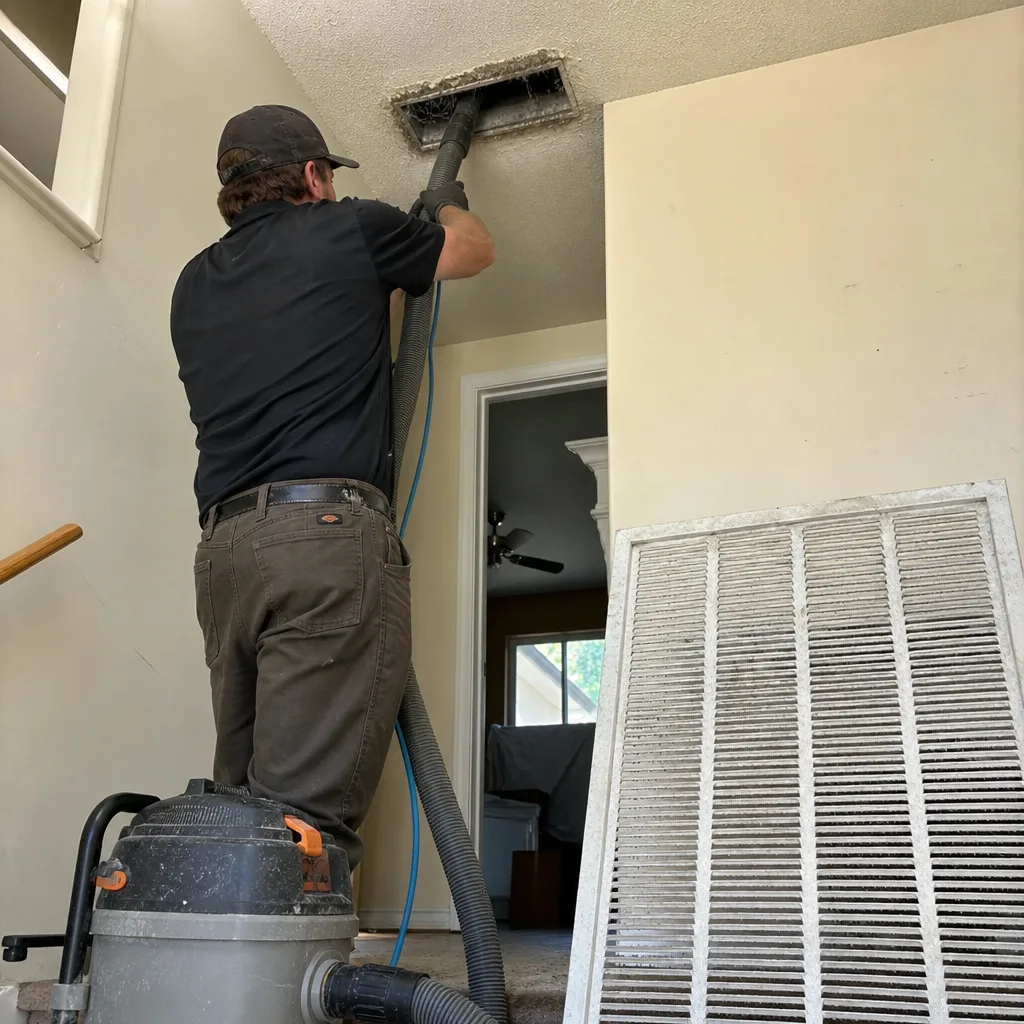 Before
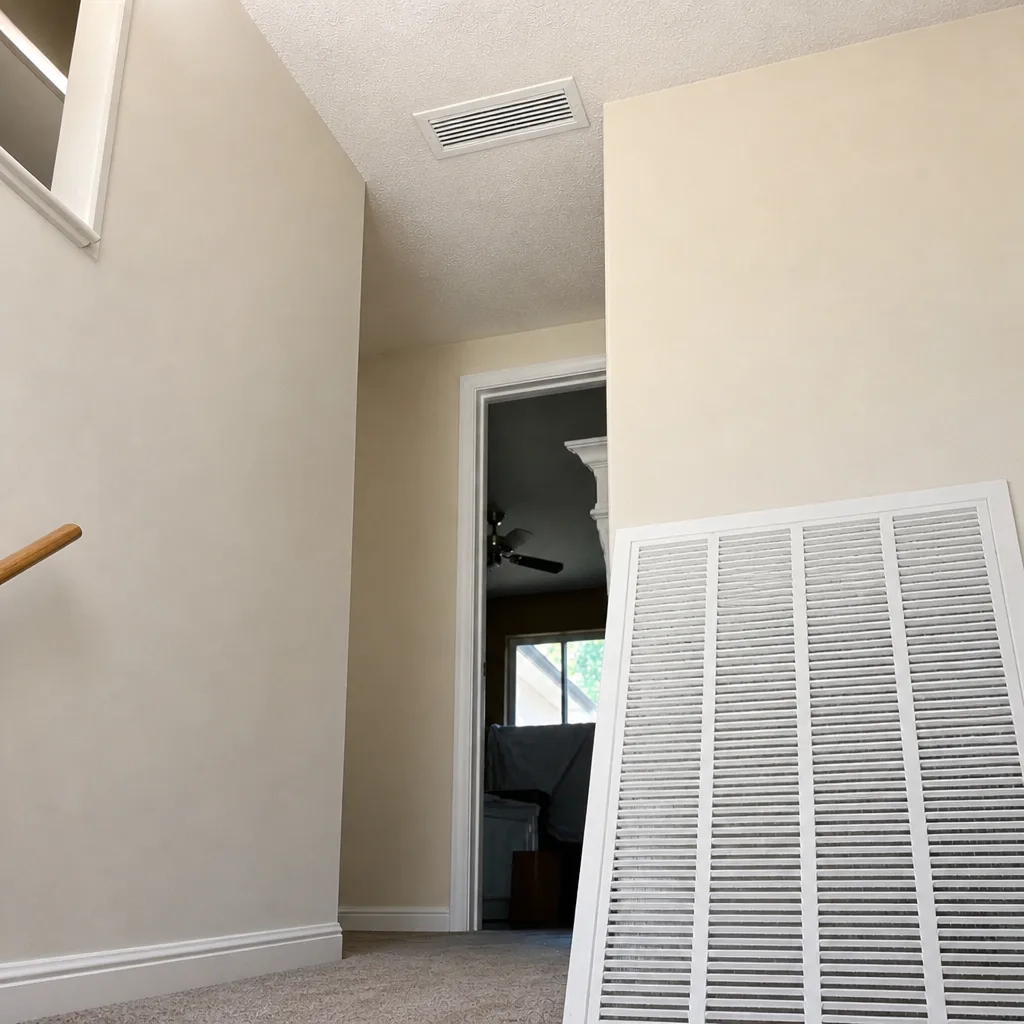 After
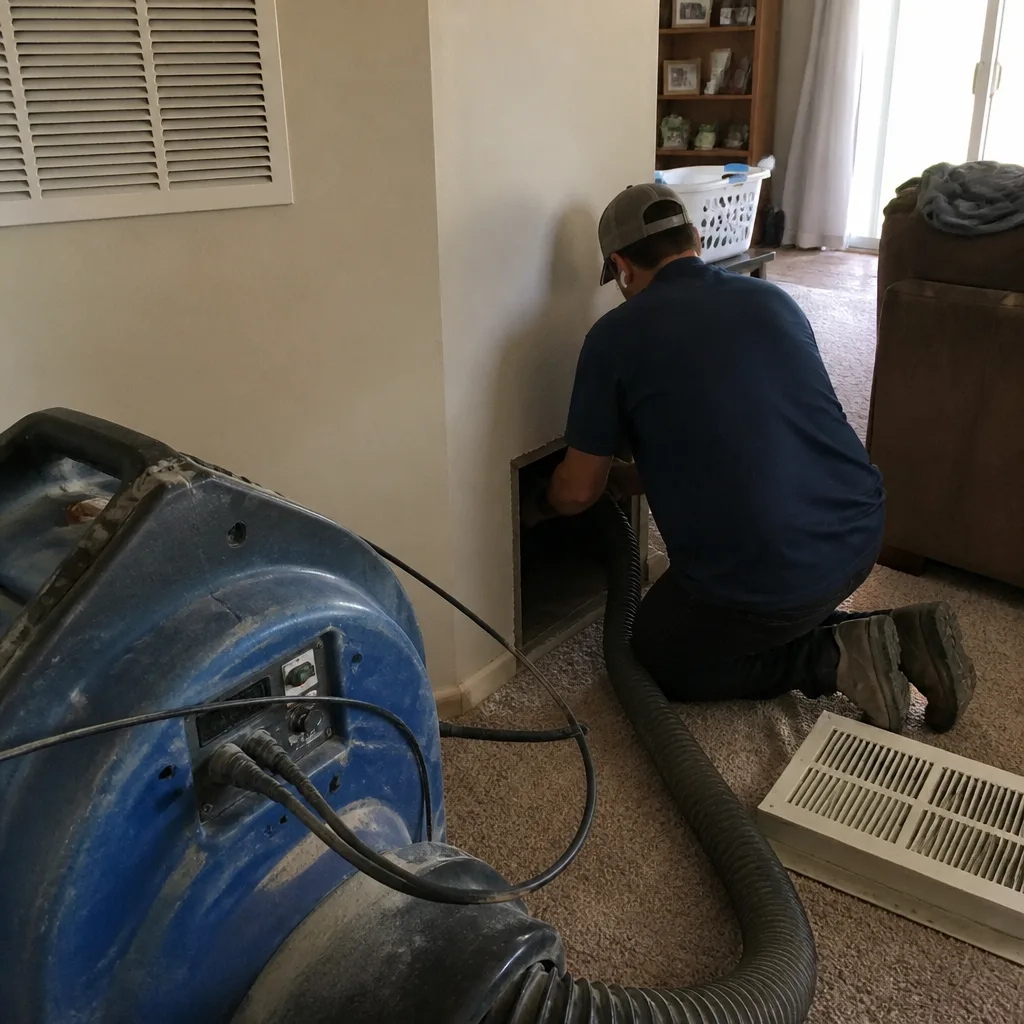 Before
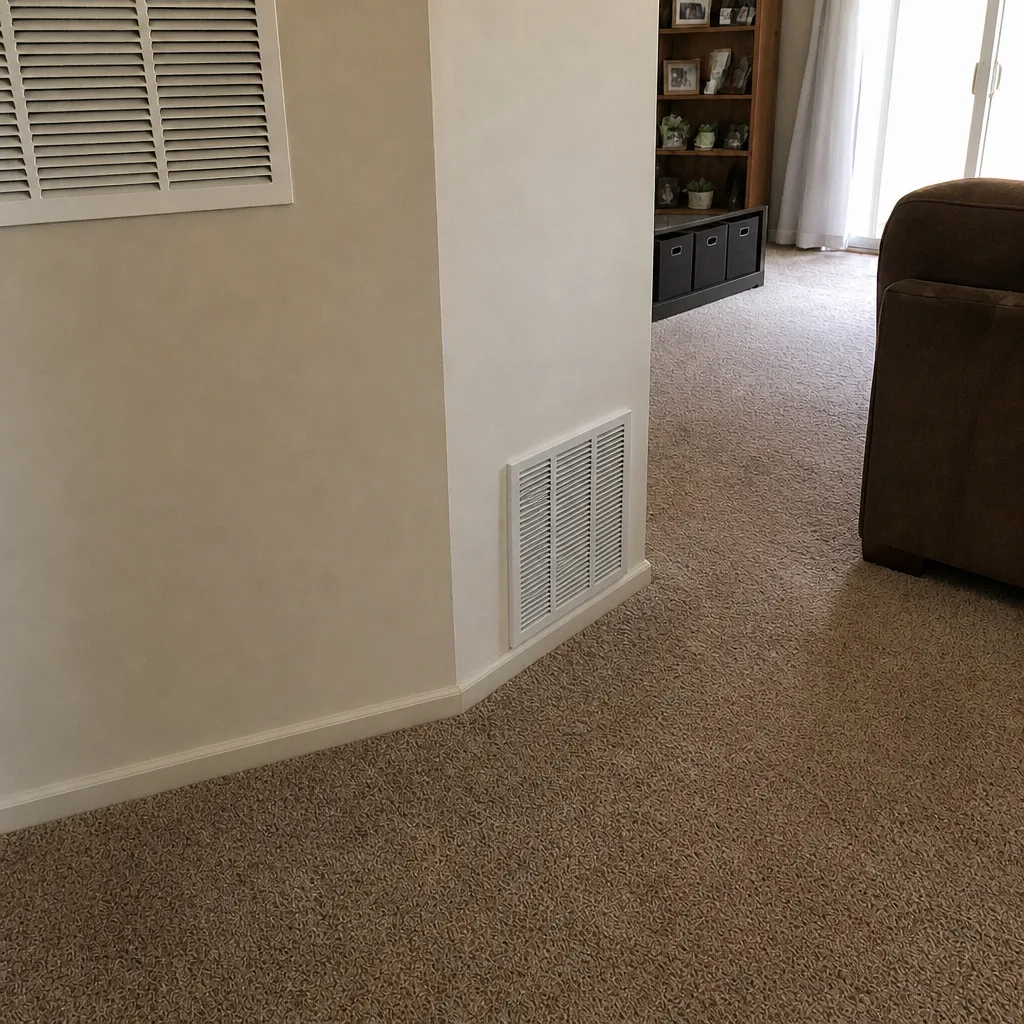 After
 Before
 After
When to Call a Professional
Some signs clearly point to a professional inspection: visible dust streaking or black deposits at the register grilles, a musty smell when the air handler starts up, a family member whose allergies worsen when the HVAC runs, a recent remodel, a new-to-you home with no service history, or a home in a dusty Northglenn corridor where the system hasn’t been opened in several seasons. All of those are reasons to have a professional look at the full pathway – the return side, the main trunk, the handler, and the supply runs – rather than a single register. A professional assessment tells you what’s actually in the system and what it would take to clean it, and you can decide from there.
We answer 24/7. Fast dispatch from 7am to 7pm, Sunday through Friday, closed Saturday. Every estimate is free, and the price is set per job by the written estimate.
Northglenn Air Duct Cleaning offers free estimates in Northglenn – call (855) 726-7093. Our technicians have up to 10 years of experience, and we work with Rotobrush and Nikro systems, Abatement Technologies containment gear, and Guardsman sanitizing products. The local pro is licensed and insured as their state requires.
Frequently Asked Questions
Air duct cleaning in Northglenn typically runs $350 to $650 for a single-system job covering returns, supplies, and the main trunk, and $550 to $950 for a full-system cleaning that includes the air handler coil and blower wheel. Duct repair and sealing adds $250 to $700 depending on the sections involved. Those are estimates – the written estimate sets the final price, and the scope is agreed before work begins. Call (855) 726-7093 for an exact quote; estimates are free.
Cheap quotes usually reflect a smaller scope, not a better price. A company quoting very low typically cleans only the accessible supply runs, skips the return side and air handler, and shows up without containment or rotary agitation equipment. What that produces is a vacuum pass, not a source-removal cleaning, and you’ll pay for a proper cleaning soon afterward. If a quote is dramatically lower than everything else, ask what’s included, then compare it to the scope checklist in this guide. Call (855) 726-7093 if you’d like an honest range for your system.
Ask for before-and-after photos of the inspection access points, and ask for static pressure readings before and after cleaning if a technician is willing to take them. Then look inside the register boot nearest a return with a flashlight – a clean boot should show smooth duct, not caked residue on the seams. Any professional crew will document the work. If they won’t, that tells you what you need to know. Call (855) 726-7093 to schedule an estimate, and we’ll show you what’s in the system before we quote the work.
There’s no universal schedule, and anyone selling you one isn’t being straight with you. Cleaning makes sense when there’s visible contamination, when symptoms point to dirty air, after a remodel or major renovation, or when the system’s history is unknown. In Northglenn’s dusty, dry climate, homes with pets, allergy sufferers, or systems that haven’t been opened up in several years tend to benefit sooner. Call (855) 726-7093 for a free assessment based on your specific system.
Semi-arid air combined with clay-heavy soils makes dust infiltration heavier here than in wetter climates. That fine mineral dust pulls into the return side year-round, and the dry winters mean it stays airborne longer. Cooling-season condensation on the coil is where it turns sticky and starts collecting microbial growth. So yes – Northglenn systems can benefit from more regular inspection and cleaning than a homeowner might assume from general guidance. Call (855) 726-7093 to find out if yours is due.
Dryer vent cleaning is a separate service with a separate purpose – it removes lint that’s a fire risk, not a comfort issue, and it should be done whether or not your ducts need cleaning. Doing both at once is convenient, but they’re distinct scopes with distinct reasons. If a company tries to fold the dryer vent into a duct quote without telling you what it is, ask questions. For a real quote on either, call (855) 726-7093.
The Bottom Line
Air duct cleaning in Northglenn is worth doing when the system is actually contaminated – and that means cleaning the whole pathway, not just the supply runs a vacuum can reach. The return side collects the heaviest load in this climate. The air handler coil and blower wheel produce most of the result and get skipped by most crews. Source removal, containment, and rotary agitation are the equipment that separate a real cleaning from a story. Repair and sealing keep the cleaning from undoing itself. Ask for the scope in writing, ask for before-and-after documentation, and don’t pay for a scope you haven’t seen. If you want an honest read on your system, a free estimate is the place to start. Northglenn Air Duct Cleaning connects you with a local pro who handles the whole system – intake to vent.
Call (855) 726-7093 for a free estimate. We answer 24/7. Fast dispatch from 7am to 7pm, Sunday through Friday, closed Saturday.
Written by the team at Northglenn Air Duct Cleaning.