
Last updated November 25, 2026
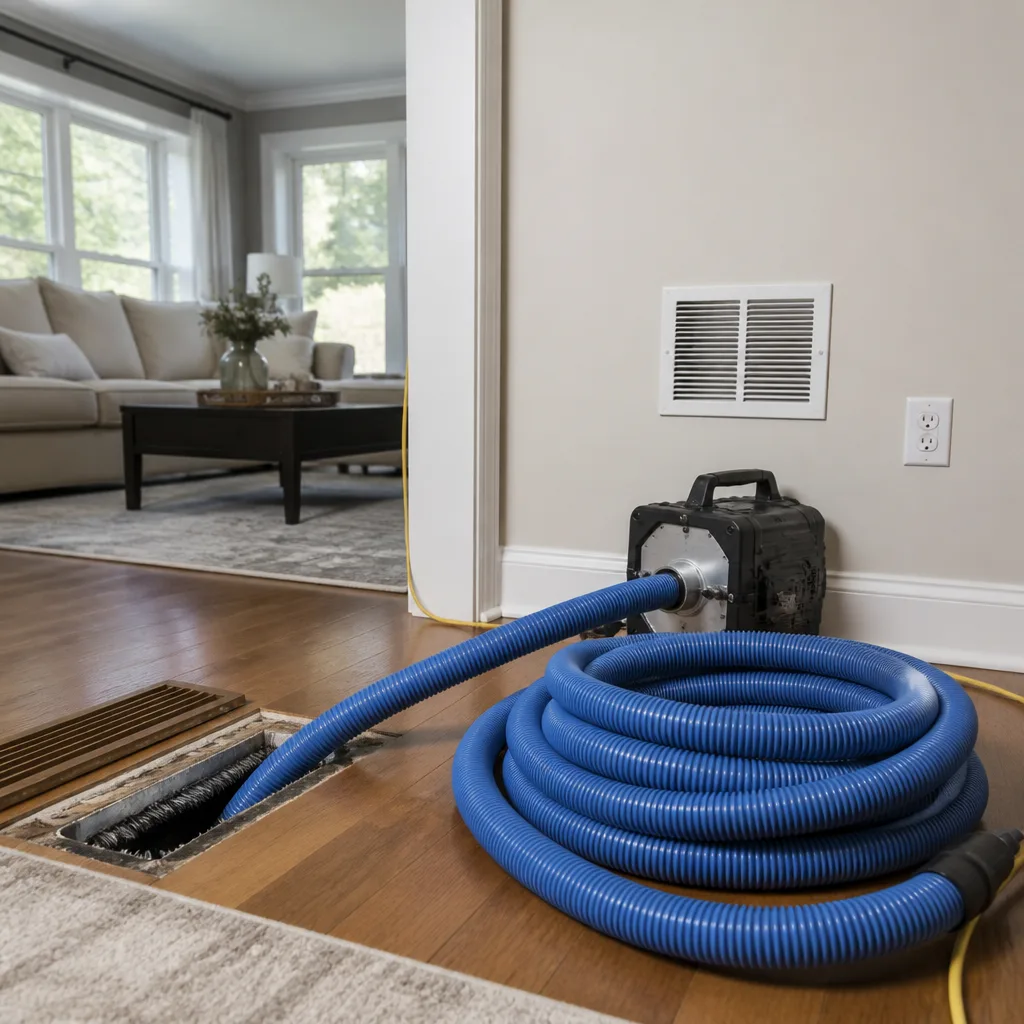 Whole-home duct cleaning
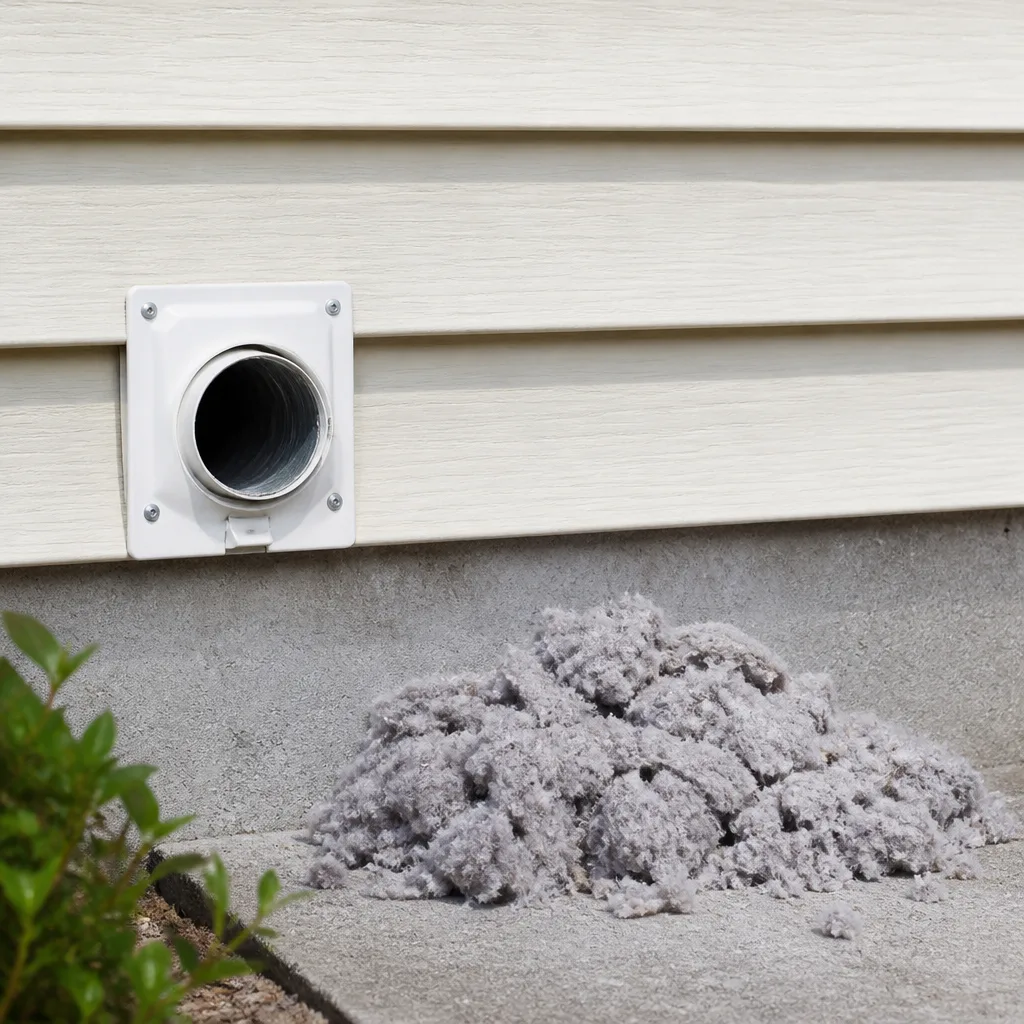 Dryer vent cleaning
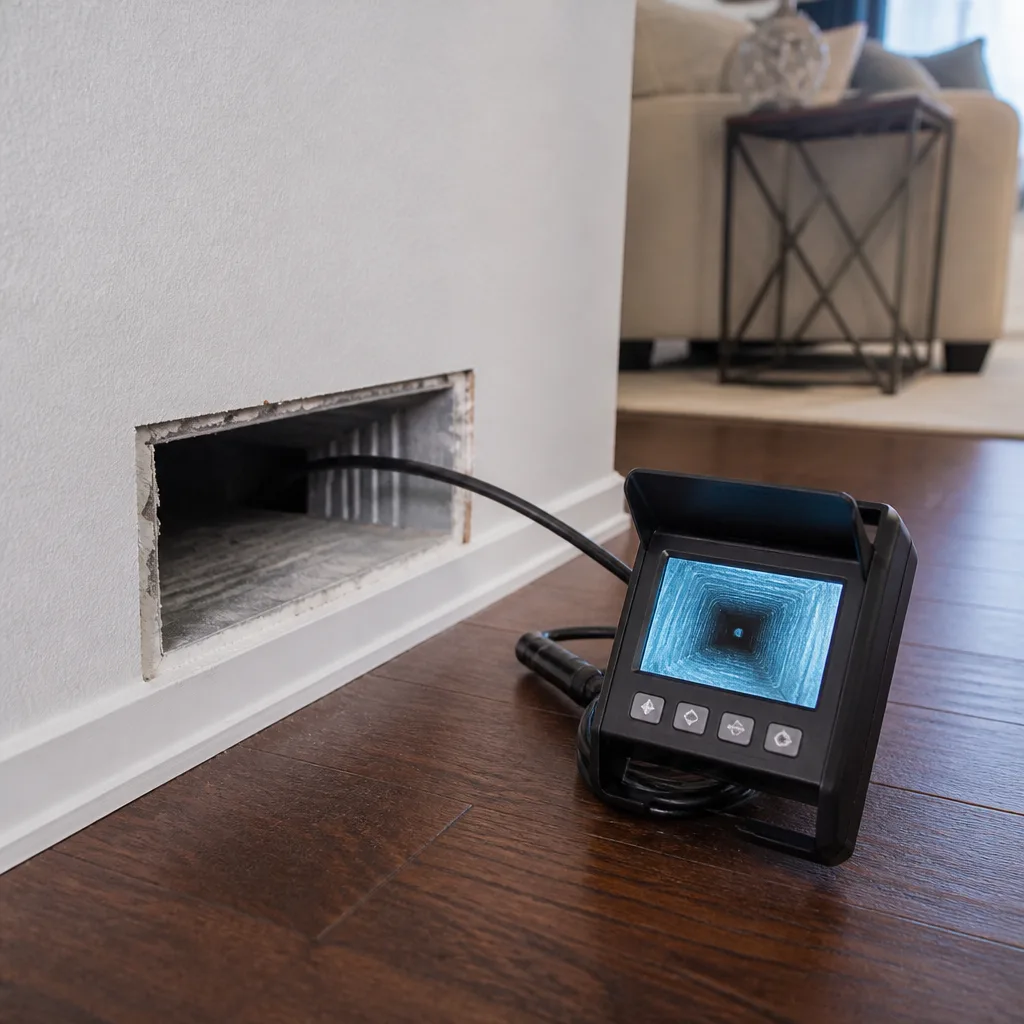 Camera inspection
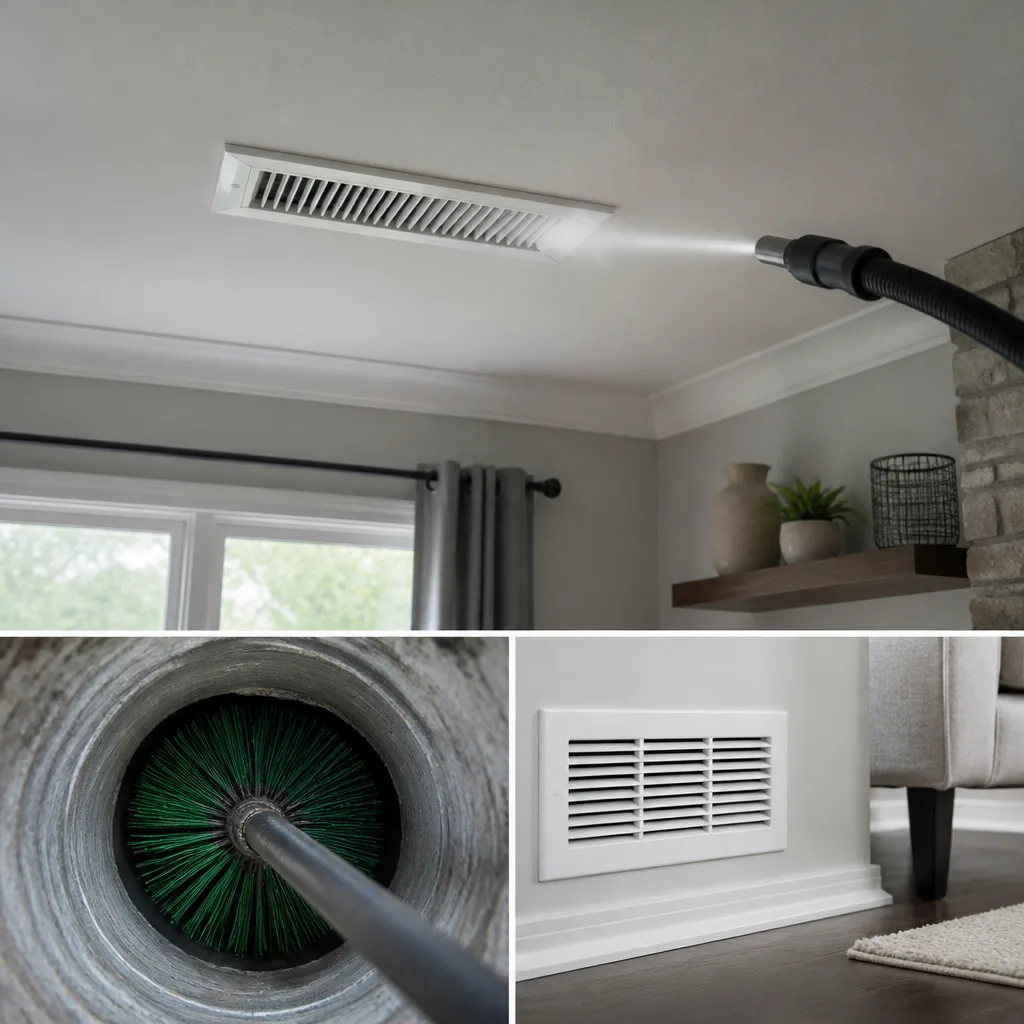 Sanitizing & deodorizing
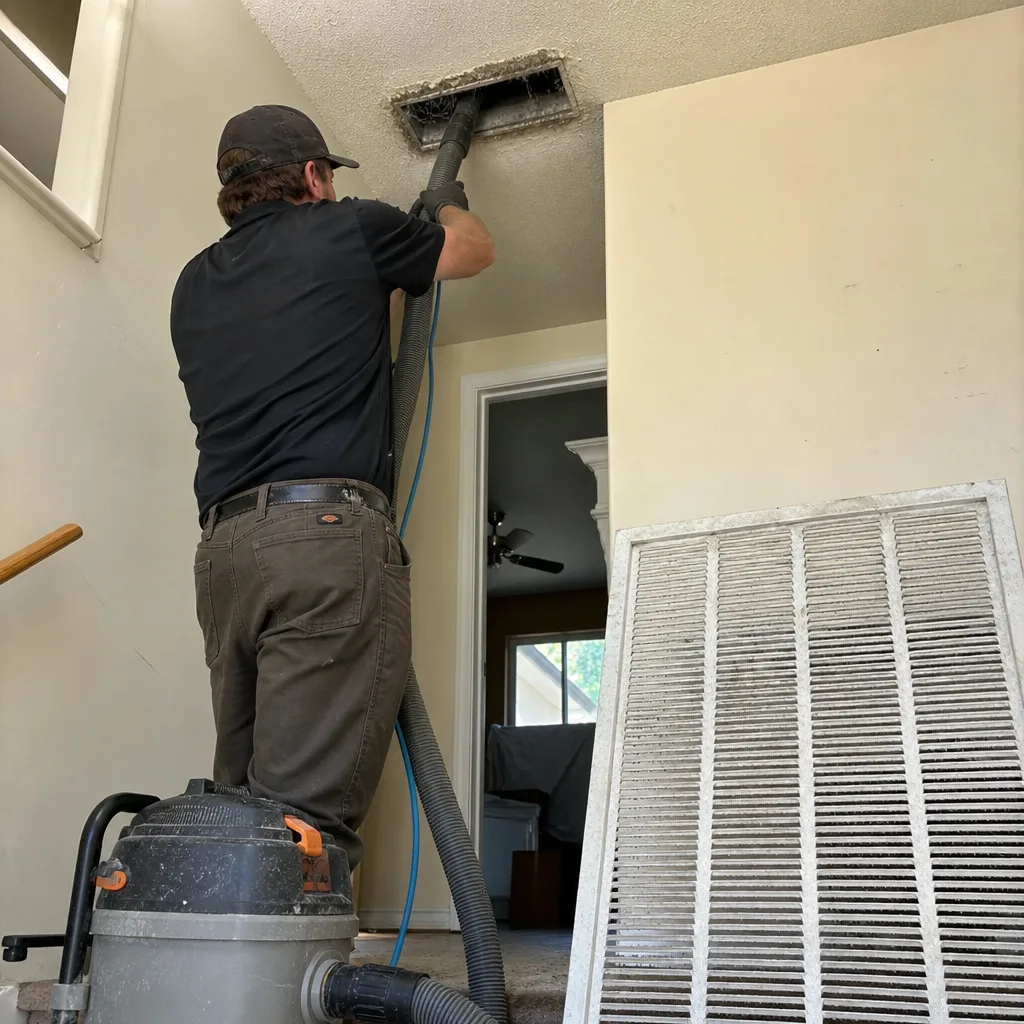
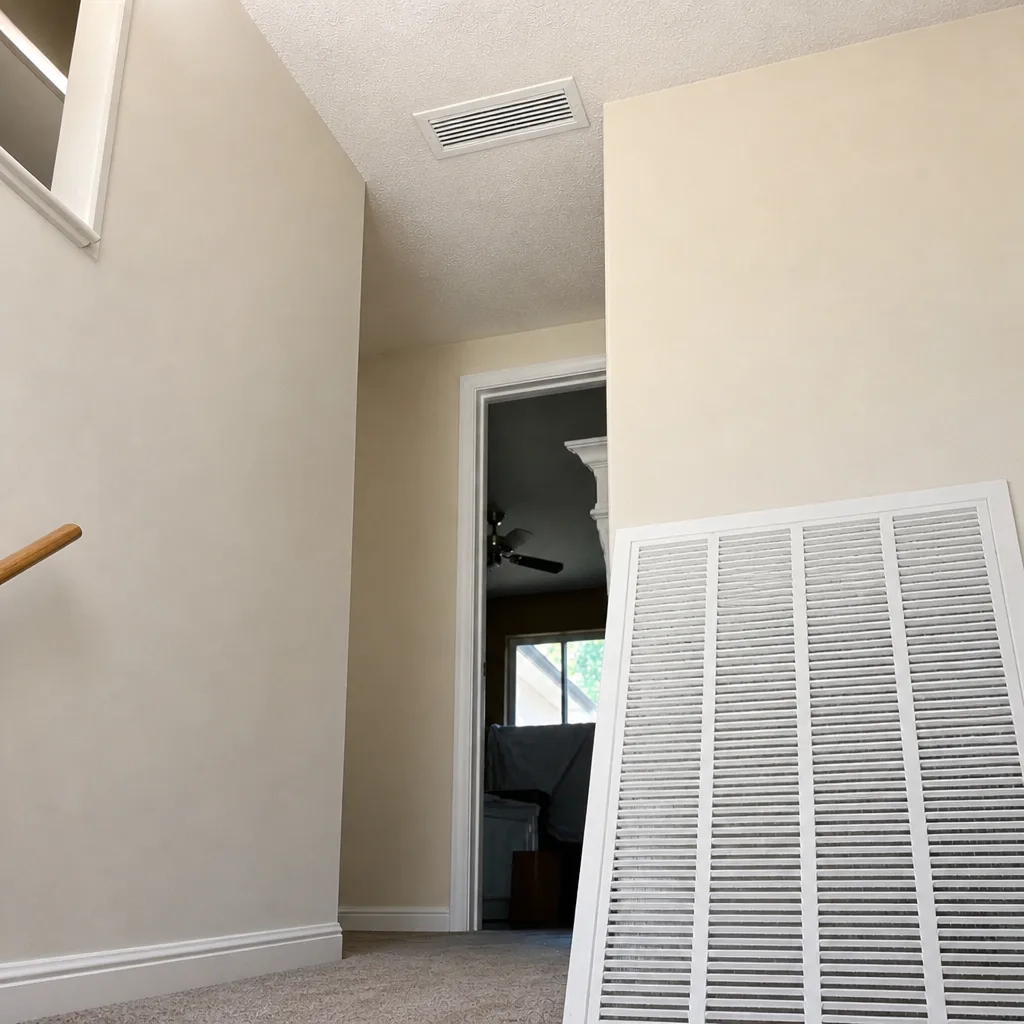
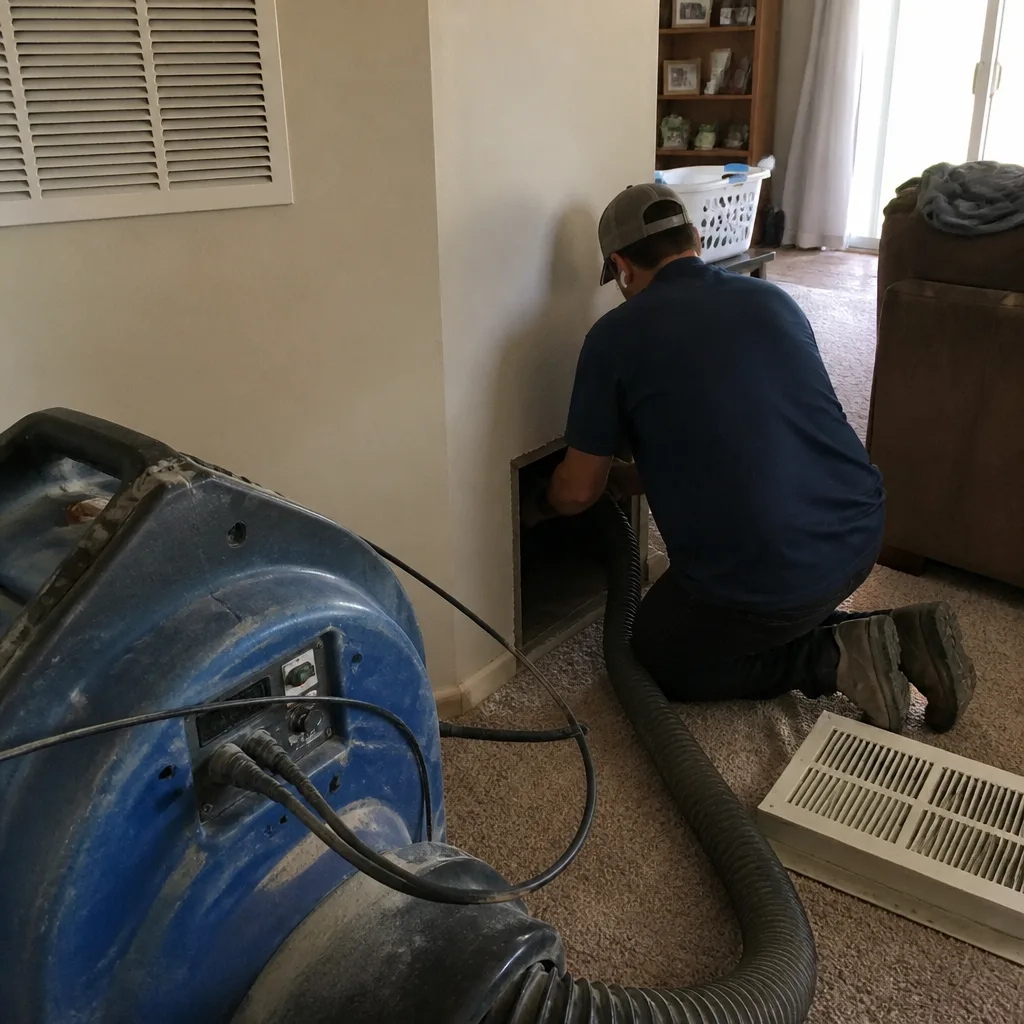
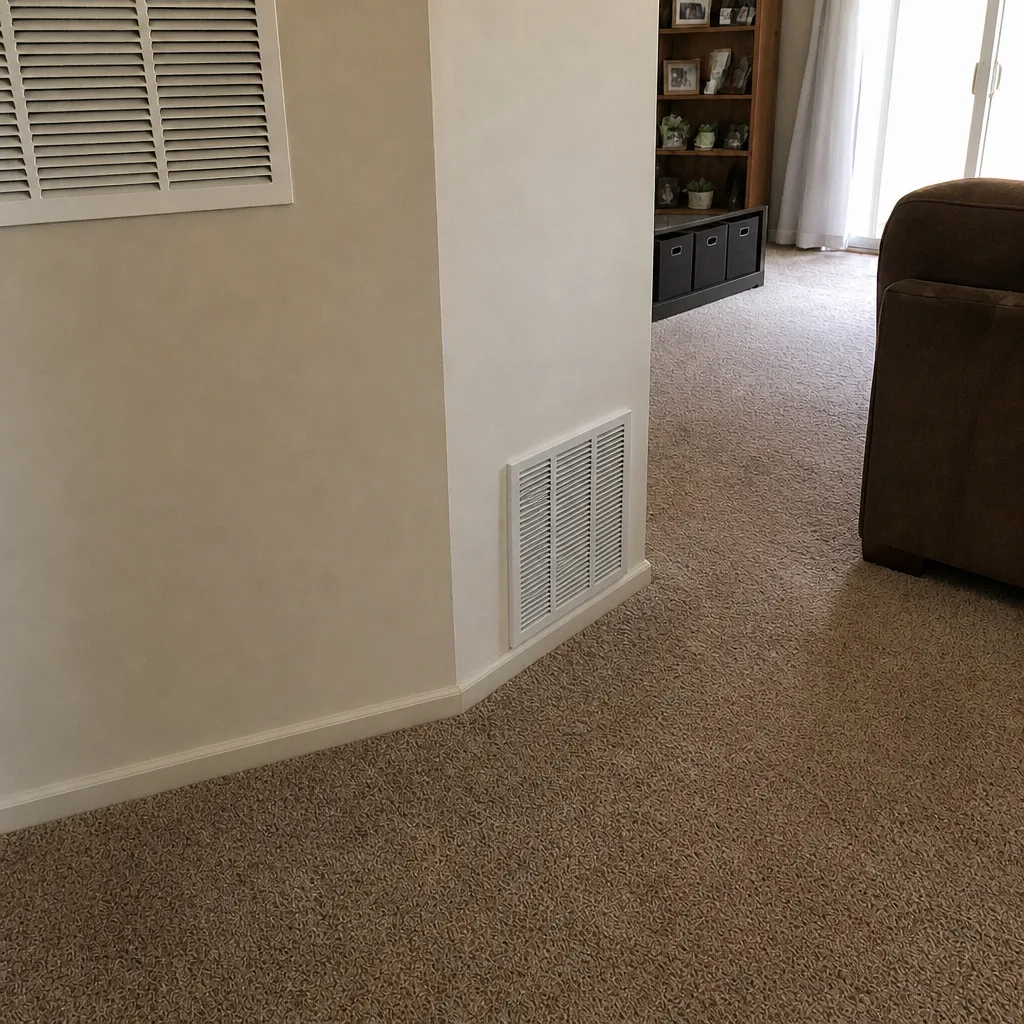
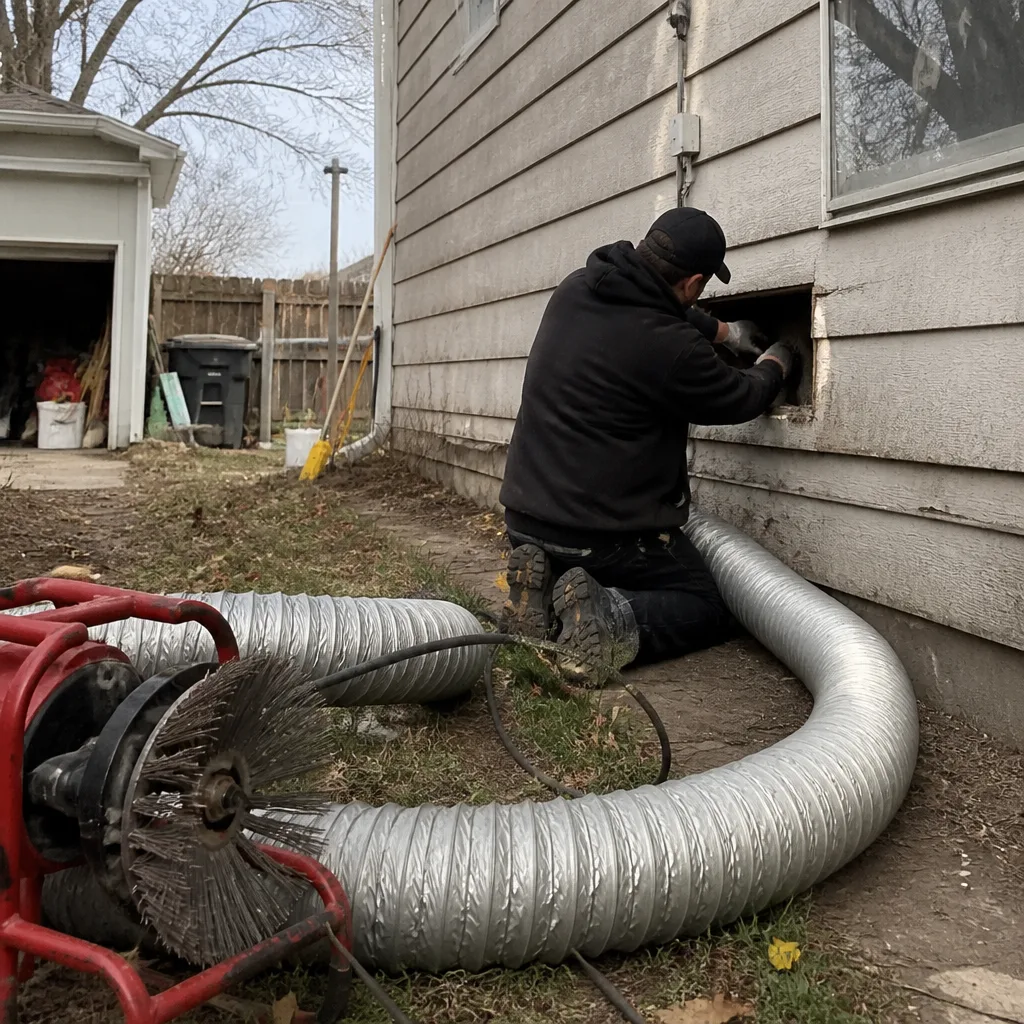
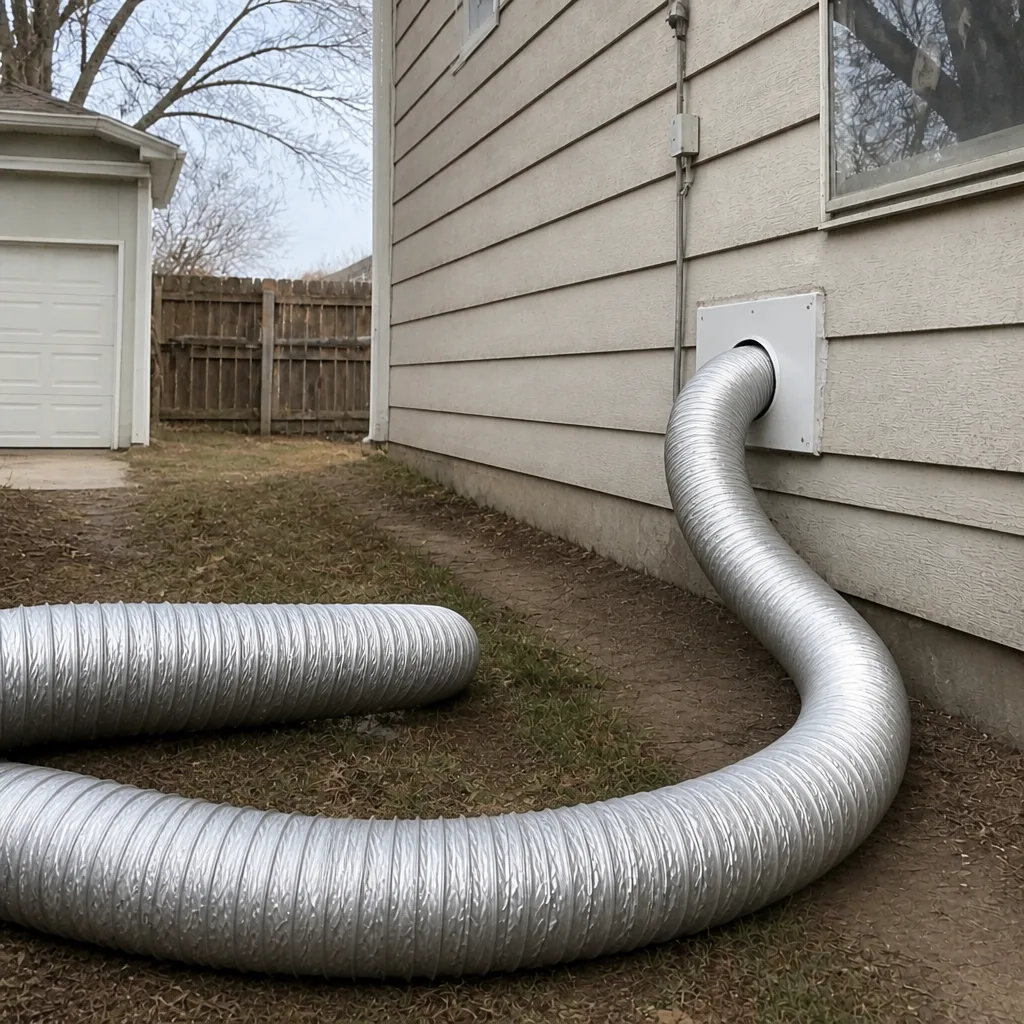
Whole-system duct and dryer vent check with before-and-after photos - you see exactly what came out of your vents
That "$99 whole-house special" is a bait ad - the real number appears once they are in your hallway, or the "clean" is a shop-vac at the register. We photograph the inside of your ducts before and after instead.
Seasonal Air Duct Cleaning Care for Northglenn: Year-Round Homeowner’s Guide
Most homeowners schedule duct cleaning in spring or fall out of habit, picking a month that feels tidy on a calendar. In Northglenn, though, the two heaviest particulate windows fall in late summer, when wildfire smoke settles over the Front Range, and again in winter, when the furnace runs continuously and every window stays shut. A single annual cleaning on an arbitrary date misses both. What follows is a season-by-season approach to your duct system, built around what actually enters it in Northglenn and when. You’ll learn what to inspect and when, how to build a simple maintenance log, and how that log makes every professional visit more efficient and less expensive over five years.
Styles & brands we work with
- Whole-home duct cleaning
- Dryer vent cleaning
- Camera inspection
- Sanitizing & deodorizing
Quick Answer
Seasonal air duct cleaning in Northglenn works best as three to four light touchpoints per year rather than one deep clean: a spring inspection after heating season, a mid-summer check tied to wildfire smoke and filter loading, a fall look at coils, blower and exterior penetrations before the furnace takes over, and a winter watch on static charge and filter loading in flex duct. Matching the work to the season means each cleaning targets the contaminant that’s actually present.
Table of Contents
- Why Seasonal Beats Annual in Northglenn
- Spring: Post-Heating Inspection and Humidity Risk
- Summer: Wildfire Smoke and Filter Media
- Fall: Pre-Heating Coil, Blower and Pest Checks
- Winter: Continuous Run and Static in Flex Duct
- Building a Seasonal Log That Cuts Your Costs
- What a Proper Seasonal Inspection Covers
- Common Mistakes to Avoid
- When to Call a Professional
- Frequently Asked Questions
Why Seasonal Beats Annual in Northglenn
An air duct system doesn’t collect one uniform layer of dust. It collects whatever the surrounding climate pushes toward it, and in Northglenn that material changes with the season. From roughly June through September, smoke from regional wildfires drifts across the metro and fine particles work their way into return grilles and filter media. From November through March, the furnace runs almost constantly and the house stays sealed, so whatever was already in the ductwork recirculates for months.
Those two windows are where most of the load accumulates, and neither lines up with a spring cleaning habit. We’ve watched homeowners spend money on a single spring visit and then ride out both heavy windows with no follow-up at all. The system doesn’t fail loudly. It just keeps pushing the same material through the rooms.
A seasonal rhythm fixes the mismatch. Instead of asking “when did we last clean the ducts?”, you ask “what season is coming, and what does the system need before it arrives?” That reframe matters more than any single product or filter rating. It also keeps you from over-cleaning, since a well-sealed system in February doesn’t need the same treatment as a dust-laden one in September.
Northglenn’s housing stock plays a part here too. The ranch-style and split-level homes common across neighborhoods like Malley Drive and Croke Reservoir tend to have shorter, simpler duct runs than newer two-story builds, which can mean faster filter loading in the return but easier access for inspection. Knowing your system’s layout is step one; matching the work to the season is step two.
There’s a cost argument as well. A system maintained on a seasonal rhythm is easier to clean when a professional does arrive, because each visit handles a smaller, identifiable layer of debris rather than a year’s worth of mixed contamination. That keeps cleaning efficient and keeps the written estimate tied to a clearly defined job. Air duct cleaning is still priced per system, but a well-documented system means fewer surprises when the technician opens it up.
Our approach here is straightforward: Northglenn Air Duct Cleaning treats the whole air path from intake to vent as one system, and we use that view to decide what each season actually calls for. That’s the foundation the rest of this guide builds on.
Spring: Post-Heating Inspection and Humidity Risk
Spring is where the heating season’s residue gets examined. After months of continuous furnace operation, return plenums and duct lining carry a mix of fine dust and other buildup from combustion appliances, and rising outdoor temperatures start to change the humidity inside those same spaces.
That combination is the reason spring is a check-first season. Warm outdoor air meeting a cool return plenum can create condensation conditions, and damp organic material in a dark duct is exactly where mold growth begins. Northglenn’s dry climate helps most of the year, but spring swings between snowmelt and sudden warm spells, and the humidity inside a return can spike before the house catches up.
What a spring inspection should cover:
- Visible dust pattern in return plenums and the filter housing.
- Any sign of moisture, staining or musty odor near the air handler and return.
- Condition of the filter after a full heating season.
- Loose or separated connections where ducts meet the plenum.
- Interior condition of accessible duct runs, judged with a camera where needed.
If the return plenum looks damp or smells earthy, that’s a stop-and-investigate signal, not a cleaning signal. Moisture has to be located and corrected before any duct cleaning makes sense, and that usually means checking for a leak, a poorly sealed connection or condensation on a cold surface.
Spring is also the right time to decide whether the whole system needs attention or just a targeted cleaning. Duct repair and sealing often come up here, because a spring inspection is the first clear look at winter’s wear. When we find separation or gaps, we repair and seal rather than clean around the problem, since cleaning a leaking duct system just lets the next load of dust back in through the same gap.
Summer: Wildfire Smoke and Filter Media
Summer is the season most schedules miss. Regional wildfire smoke carries fine particles that slip past standard filtration and settle in filter media, return ducts and duct lining. In Northglenn, the smoke isn’t constant, but it comes in episodes, and each one leaves a deposit behind.
The practical question is when a mid-season cleaning is warranted. As a working rule, if you’ve been through several heavy smoke episodes and your filter is loading faster than usual, the system is holding more than a filter change can remove. Filter media reaches its limit, and once it’s saturated, particles bypass into the ductwork downstream.
Upgrading to a higher MERV filter during smoke season helps, within limits. Going too high on a system not designed for it can restrict airflow and strain the blower. The right MERV rating depends on your equipment, and it’s worth confirming rather than guessing. This is where an Aprilaire or Honeywell filtration setup earns its keep, because it’s sized to the system instead of dropped in as an afterthought.
What to watch through the summer:
- Check the filter every few weeks when smoke is present, not monthly on routine.
- Note any visible gray film on return grilles, which points to particle loading.
- Watch for reduced airflow from vents as media loads.
- Keep windows and doors closed during smoke episodes.
- Log each smoke event and each filter change so the pattern is visible.
Containment matters on the cleaning side too. Loosening smoke-derived deposits inside a duct system without controlling the air means those particles go somewhere, and the somewhere is your rooms. Equipment built for containment, like Abatement Technologies filtration and negative-air setups, keeps captured material from escaping. That’s the difference between a real cleaning and a dust redistribution event.
Fall: Pre-Heating Coil, Blower and Pest Checks
Fall is the transition season, and it’s the one that most affects how the winter goes. Before the furnace takes over for months, the coil and blower deserve a close look, and so do the exterior penetrations where ducts meet the outside of the house.
Coil and blower inspection is where HVAC cleaning and duct cleaning overlap. A dirty evaporator coil and a dusty blower wheel reduce airflow, which forces the system to work harder and pushes more contaminants through the ductwork. Cleaning the air pathway without addressing the coil leaves half the problem in place. Our HVAC cleaning work covers that equipment side, and it’s the piece most single-service cleaners skip.
The pest angle is specific to the housing here. Northglenn’s older ranch-style homes often have exterior duct penetrations where the foundation line meets siding or where a crawlspace duct exits. Those gaps are small, and small is exactly what insects and mice look for as temperatures drop. A fall walk-around is the time to check for gaps, screens, or signs of intrusion, and to seal what shouldn’t be open.
Fall checklist:
- Inspect coil and blower for dust and debris before heating season.
- Walk the exterior for duct penetrations and check for gaps.
- Confirm return and supply connections are sealed.
- Change the filter ahead of the switch to heating mode.
- Note any new noise or whistle at a vent, which can signal a leak.
Dryer vents belong on the fall list too. A clogged dryer vent is a fire hazard independent of the heating system, and fall is a natural checkpoint before the house closes up. Our dryer vent cleaning addresses that risk directly, and it’s a service often left out of duct work entirely.
Winter: Continuous Run and Static in Flex Duct
Winter changes the physics of the system. The furnace runs nearly continuously, the house stays sealed, and everything that entered the ducts during summer and fall now recirculates for months. Flex duct adds another factor: airflow through flex creates static charge, and a charged surface attracts and holds fine particles more stubbornly than rigid duct.
That means winter is a monitoring season more than a cleaning season. You’re watching for evidence that the system is loading faster than it should, and the clearest signal is filter loading speed. A filter that usually lasts a set period but suddenly loads in half that time is telling you something.
What rapid filter loading can indicate:
- Increased particle load in the return from something that changed.
- A duct leak pulling in air from a crawlspace or attic.
- Static-charged flex duct holding material that should have traveled to the filter.
- A filter rated below what the system needs for its run cycle.
Static is easy to overlook because you can’t see it. Flex duct lining in a sealed house with continuous airflow will hold fines in a way rigid metal won’t, and over a winter that builds up. When it does, a cleaning is the answer, but the timing should follow the evidence rather than a calendar.
Winter is also when the cost of skipping a summer cleaning shows up. A system that carried wildfire-smoke deposits into December is now pushing that material through every room all season. If you notice more dust settling on surfaces despite a clean filter, or if allergy complaints rise when the heat comes on, the system is due. Call (855) 726-7093 to set a look and get a free estimate. We answer 24/7. Fast dispatch from 7am to 7pm, Sunday through Friday.
Building a Seasonal Log That Cuts Your Costs
A simple seasonal log is the highest-return habit in this whole guide. It turns a vague question into a documented history, and that history makes every professional visit more targeted and less expensive over a five-year window.
The reason is straightforward. A technician arriving at a system with a record of filter change dates, smoke events, prior cleanings and known problem areas knows where to look first. That reduces inspection time, defines the job clearly, and keeps the written estimate honest because the scope is known in advance. Without a log, the same visit starts from zero and often includes exploratory work a homeowner pays for one way or another.
What to record, in order of usefulness:
- Filter changes: date, and the MERV rating used.
- Smoke or dust episodes: roughly when, and whether windows stayed closed.
- Professional visits: what was cleaned, repaired or sealed, and the date.
- Any moisture, odor or pest evidence, with the location.
- Vent airflow changes you notice, even subjectively.
- HVAC or filtration upgrades, including Aprilaire or Honeywell installs.
Over five years, a log does two things. First, it lets you skip cleaning when it isn’t needed, which saves the cost of unnecessary visits. Second, it catches the seasons where the load is heaviest in your particular home, and those aren’t identical for every Northglenn household. A home near the open space on the west side may see different summer loading than one closer to the commercial corridors along 120th.
The log also improves the cleaning itself. When we know a system has had smoke loading two summers running, we plan a deeper pass on the flex runs and confirm the filter setup is matched to the load. Every seasonal log entry makes the next visit more efficient, and that’s where the five-year savings actually come from.
What a Proper Seasonal Inspection Covers
The inspection is the backbone of seasonal care, and a proper one follows a defined path. Here’s the sequence we work through, from intake to vent, so you know what to expect.
- Intake and filter housing. Confirm filter condition and correct MERV rating, check for loading and bypass.
- Air handler and plenum. Look for dust pattern, moisture, staining and separation at connections.
- Accessible duct runs. Inspect with a camera where needed to see interior lining and any buildup.
- Coil and blower. Check for dust and debris that reduce airflow.
- Exterior penetrations. Verify seals and screens, and look for gaps or pest entry points.
- Supply and return vents. Confirm airflow, listen for whistle or rattle that signal leaks.
- Dryer vent. Check for lint buildup and confirm proper routing.
The equipment used for the cleaning itself matters as much as the inspection. We use Rotobrush and Nikro systems, the same professional-grade tools that commercial contractors rely on, which reach duct interior surfaces that consumer equipment can’t. Alongside that, we use Guardsman products for chemical treatments, and Aprialaire or Honeywell setups where a permanent filtration improvement makes sense. Naming the tools isn’t decoration; it tells you the work is sized to a real, whole-system cleaning rather than a shop-vac pass over the grilles.
The point of the sequence is accountability. When the inspection is documented, the cleaning follows what was found, and the repair or sealing work happens where the inspection flagged it. That’s how a seasonal approach stays honest rather than turning into a sales routine.
Common Mistakes to Avoid
- Treating duct cleaning as one annual event. A single spring visit misses the heaviest smoke and heating windows, so the system rides through both. Match the work to the season instead.
- Chasing a low per-vent price. Advertised teaser pricing often expands once the technician is on site. Ask for one flat price per system, agreed before work starts.
- Skipping the coil and blower. Cleaning ducts while leaving a dirty coil and blower wheel in place means the system keeps loading. HVAC cleaning belongs in the rotation.
- Ignoring exterior penetrations. Northglenn’s ranch-style homes have entry points that insects and mice find in fall. A walk-around each fall prevents a winter surprise.
- Over-rating the filter. A MERV rating too high for the equipment can restrict airflow. Confirm the rating your system is designed for instead of guessing.
- Cleaning a leaking system. If ducts aren’t sealed, a cleaning just lets dust back through the same gaps. Repair and sealing come first.
- Not documenting anything. Without a log, every visit starts from zero, and you can’t see the pattern the seasons are showing you. A simple record changes the math.
When to Call a Professional
Call a professional when the evidence points to something you can’t inspect safely or thoroughly yourself. That includes visible dust discharging from supply vents, an earthy or musty smell near the air handler, moisture or staining at the return plenum, and filter loading that speeds up sharply over a few weeks. It also includes any vent whistle or rattle that suggests a duct leak, signs of pests at exterior penetrations, and a dryer that takes noticeably longer to dry a load. If you’ve been through a heavy smoke season and the filter keeps saturating, that’s a signal to have the system looked at.
Electrical components, gas combustion parts and high-tension equipment are not homeowner territory. A trained technician should handle anything that involves opening a panel, a blower assembly or a combustion appliance, and that’s a boundary we don’t encourage crossing. The same goes for confined duct spaces where containment and filtration equipment are needed to avoid redistributing what’s inside. Northglenn Air Duct Cleaning offers free estimates in Northglenn. Call (855) 726-7093. We answer 24/7. Fast dispatch from 7am to 7pm, Sunday through Friday.
Frequently Asked Questions
Most Northglenn homes do best with a seasonal rhythm of light touchpoints rather than one annual cleaning. Spring and fall inspections, a summer check tied to wildfire smoke, and a winter watch on filter loading cover the two heaviest windows this climate creates. A documented log tells you when a full cleaning is actually due instead of guessing from a calendar.
It depends on the system and the load, and the written estimate sets the final price. Rather than quoting a per-vent figure, we give one flat price per system agreed before work starts. That keeps the number honest and tied to what the system actually needs. Call (855) 726-7093 for an exact quote that fits your home – estimates are free.
Cheap quotes often cover a surface pass on the grilles rather than the duct interior, and that’s why the price looks low. A real whole-system cleaning reaches the interior surfaces with professional equipment and addresses repair and sealing where needed. Ask what the quote includes, confirm it’s one flat price per system, and ask for before-and-after photos. Call (855) 726-7093 for an honest estimate on your system.
Ask for before-and-after photos of your own ductwork, not stock images. A documented inspection sequence also tells you what was found and what was addressed, from intake to vent. That record is part of why we log the inspection and share the photos. Call (855) 726-7093 to schedule and see the difference on your own system.
Maybe, but not blindly. A higher MERV filter can help with smoke particles, yet a rating too high for your equipment restricts airflow and strains the blower. Confirm the rating your system is designed for, and consider a properly sized filtration setup rather than a drop-in change. Call (855) 726-7093 and we’ll help you match the filter to your system.
Not a different schedule, but a different inspection focus. Ranch-style duplicates often have exterior duct penetrations where the foundation meets siding, which makes the fall pest and seal check especially important. The seasonal rhythm is the same; the inspection sequence and seal work are tuned to the layout. Call (855) 726-7093 and we’ll assess your layout directly.
The Bottom Line
Northglenn’s four seasons load the duct system with different material, and a single annual cleaning on an arbitrary date misses the two heaviest windows: late summer wildfire smoke and months of sealed, continuous winter heating. A seasonal rhythm, a documented log, and a whole-system inspection from intake to vent do more for your indoor air than any one visit. Cleaning is half the job; repair and sealing keep the results from leaking away. Our technicians have up to 10 years of experience, and we use the same professional-grade equipment that commercial contractors rely on to clean, repair, seal and sanitize the entire air pathway. Clean air starts at the source.
Call (855) 726-7093 for a free estimate. We answer 24/7. Fast dispatch from 7am to 7pm, Sunday through Friday. One flat price per system, agreed before work starts, with before-and-after photos of your own ducts so you can see what changed.
Written by the team at Northglenn Air Duct Cleaning.
See the difference
 Before
 After
 Before
 After
 Before
 After