
Last updated November 25, 2026
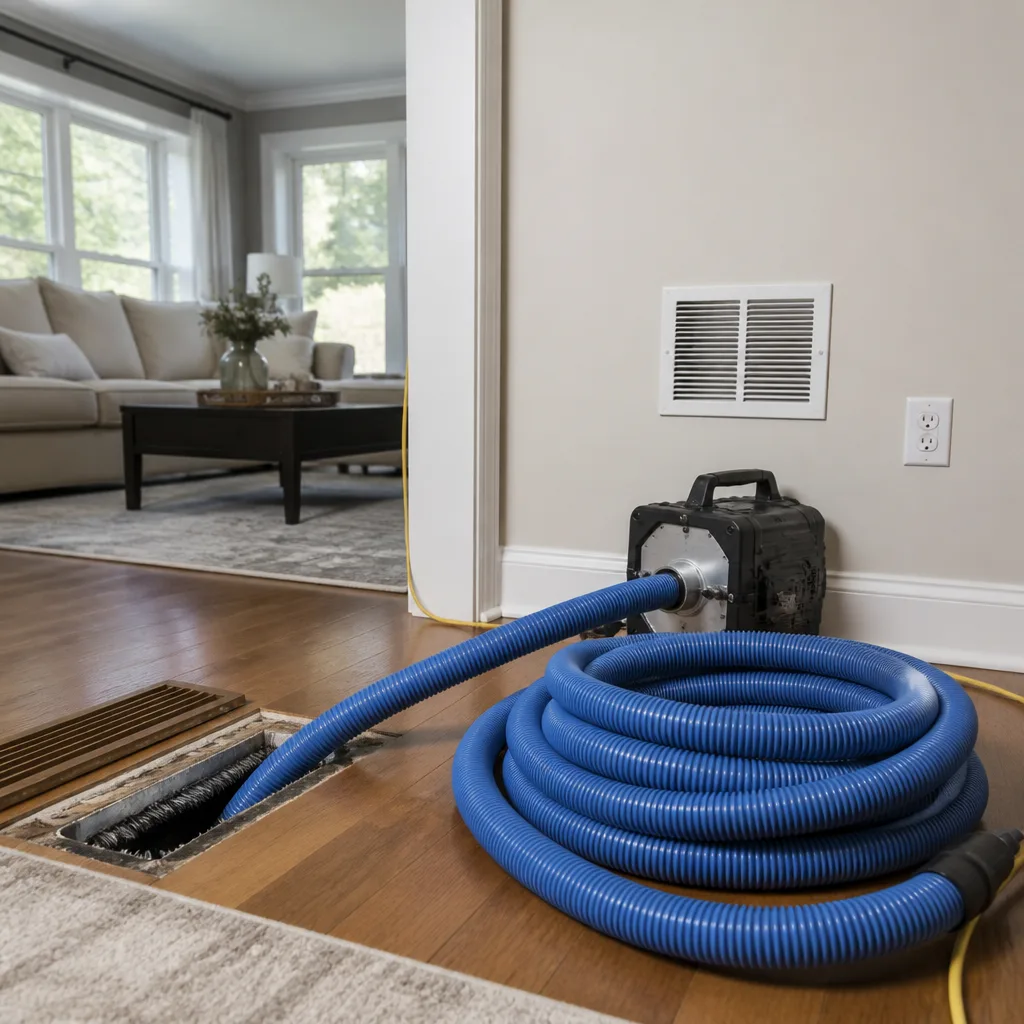 Whole-home duct cleaning
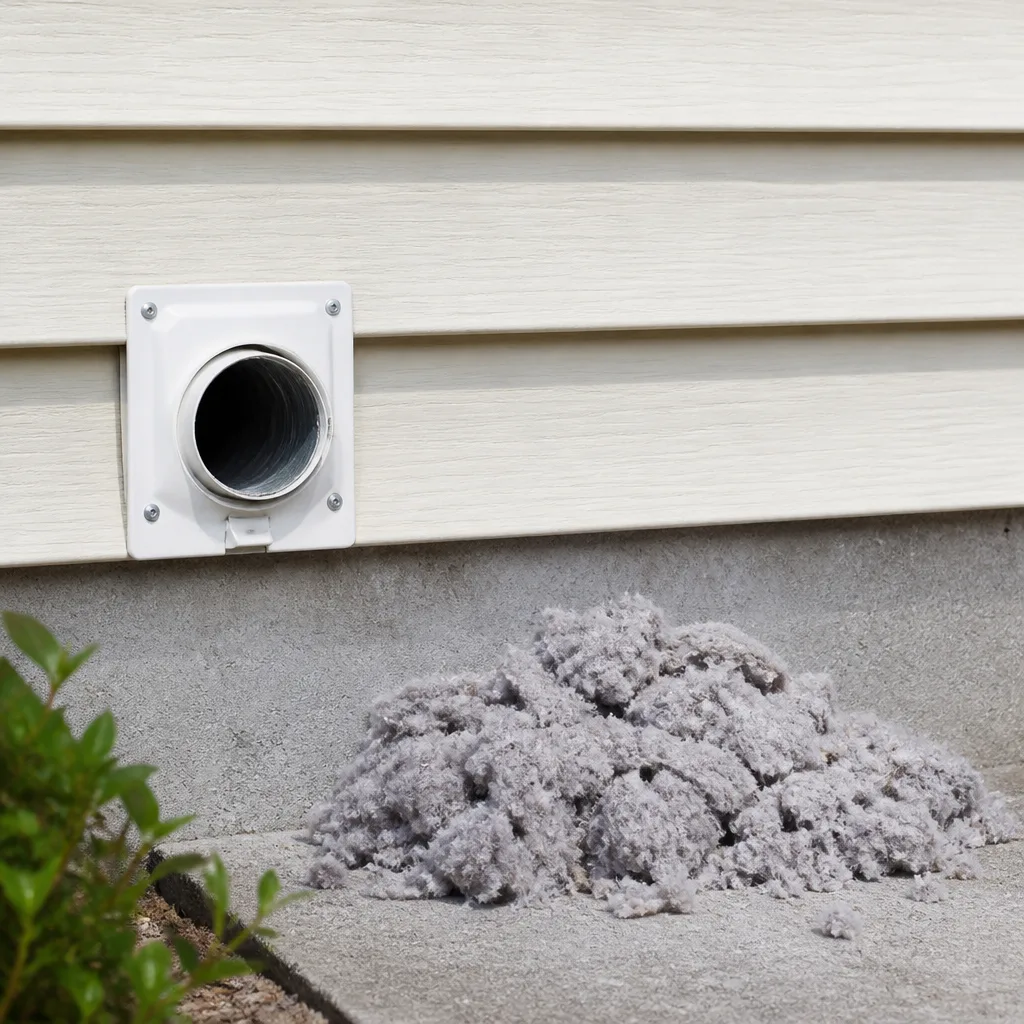 Dryer vent cleaning
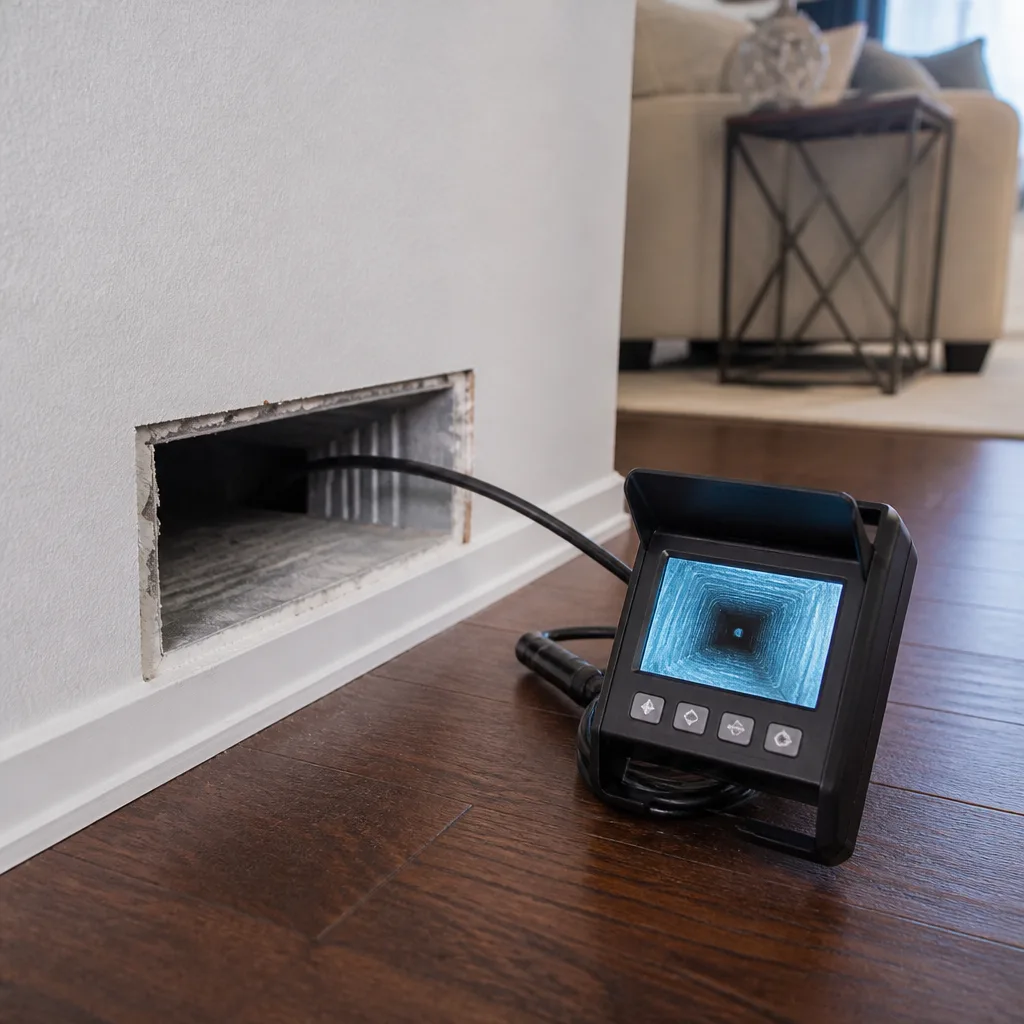 Camera inspection
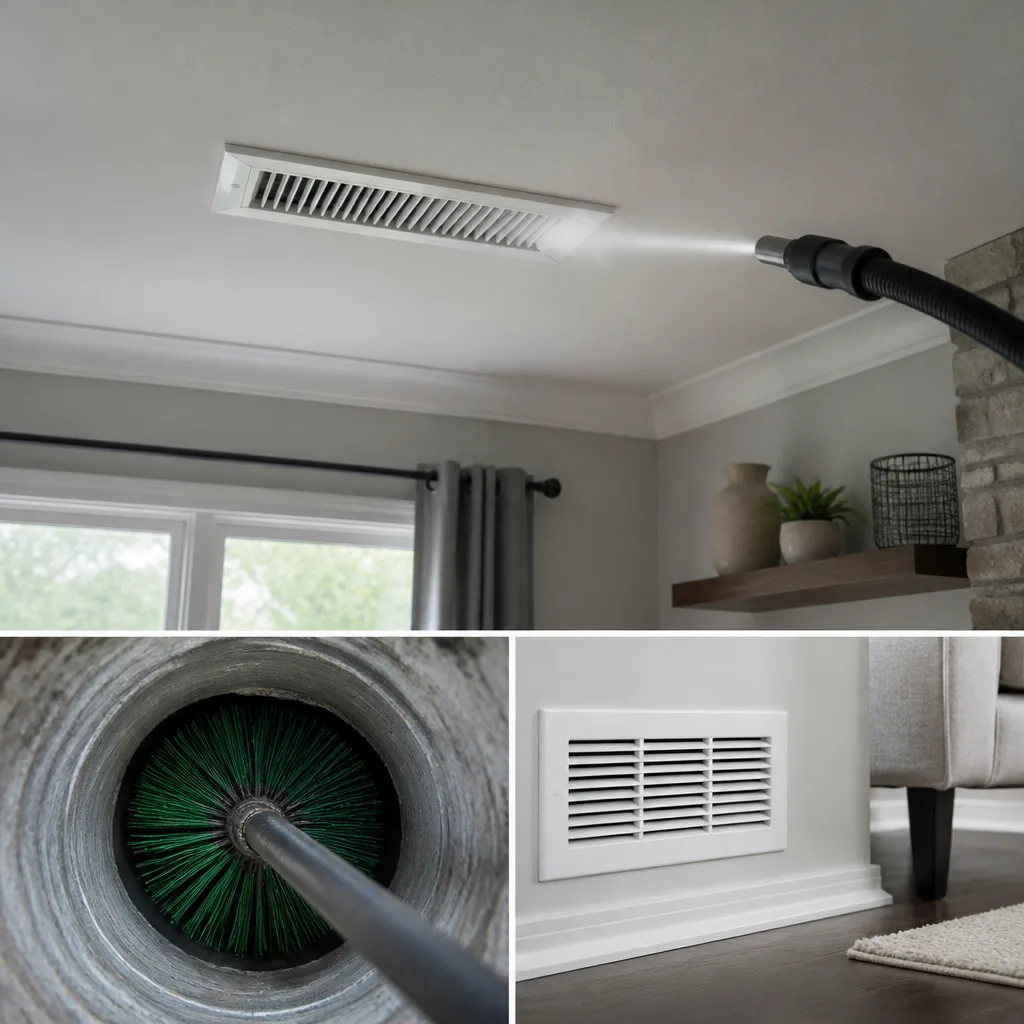 Sanitizing & deodorizing
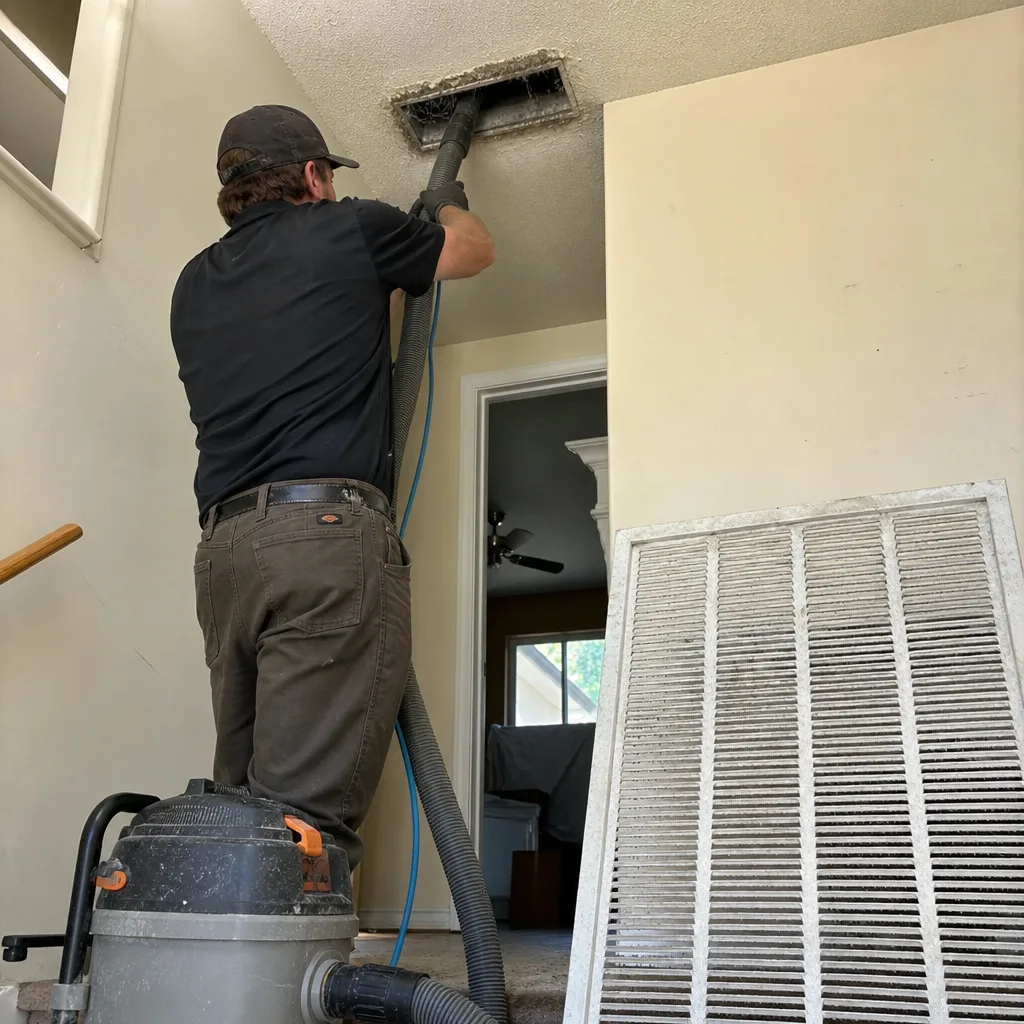
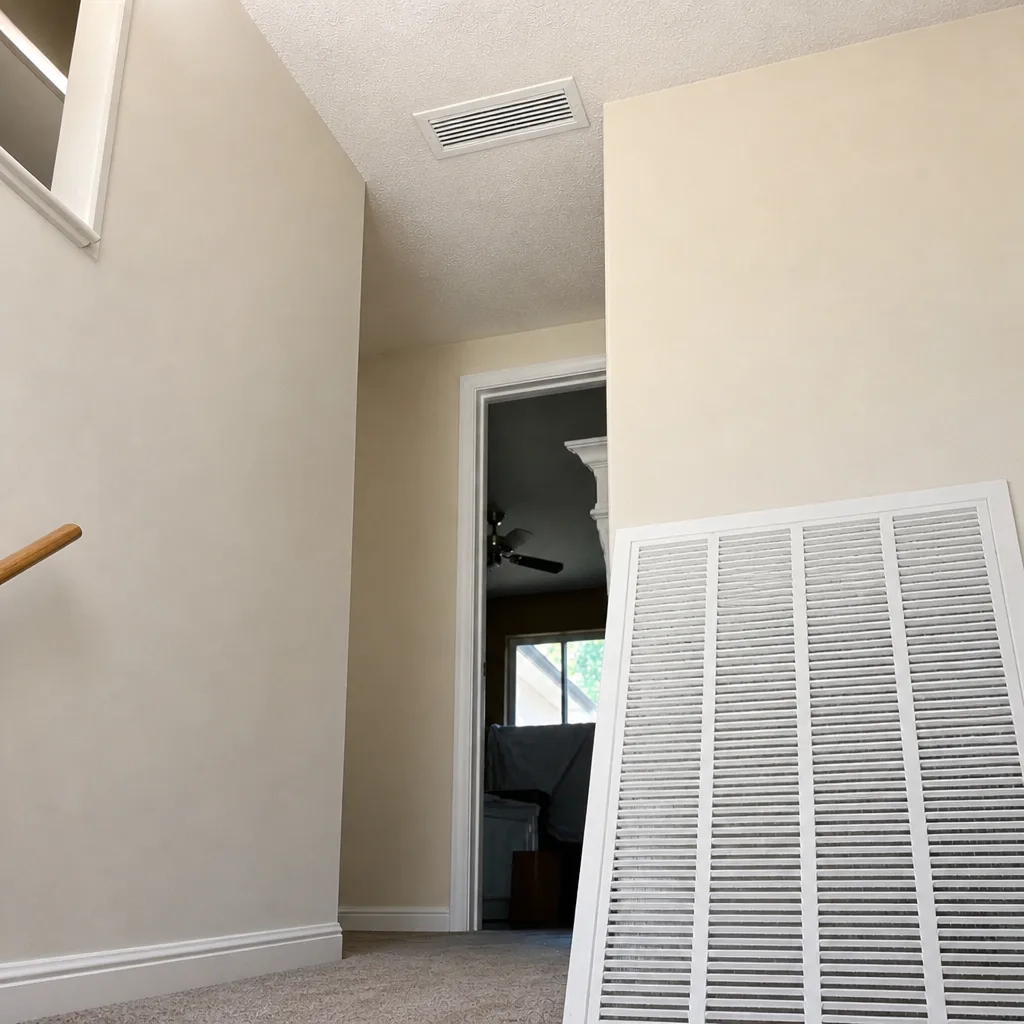
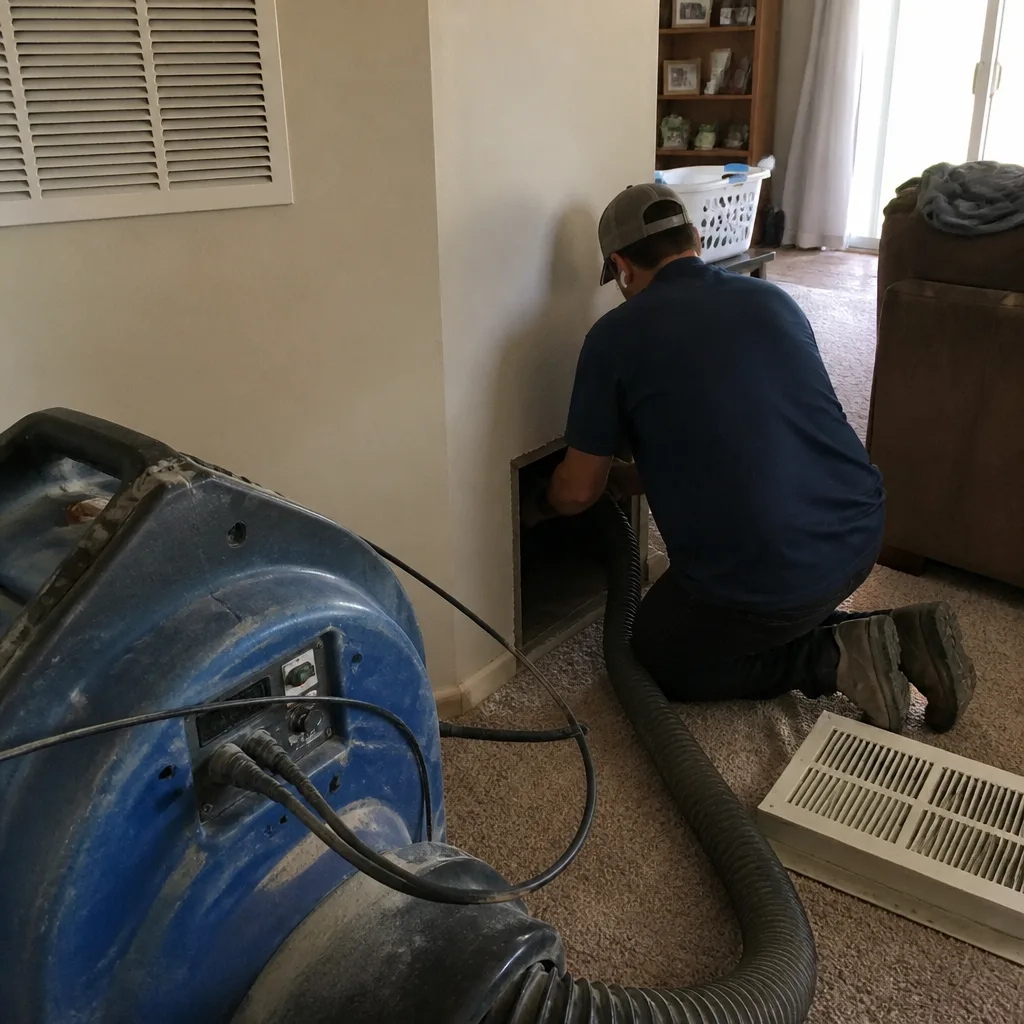
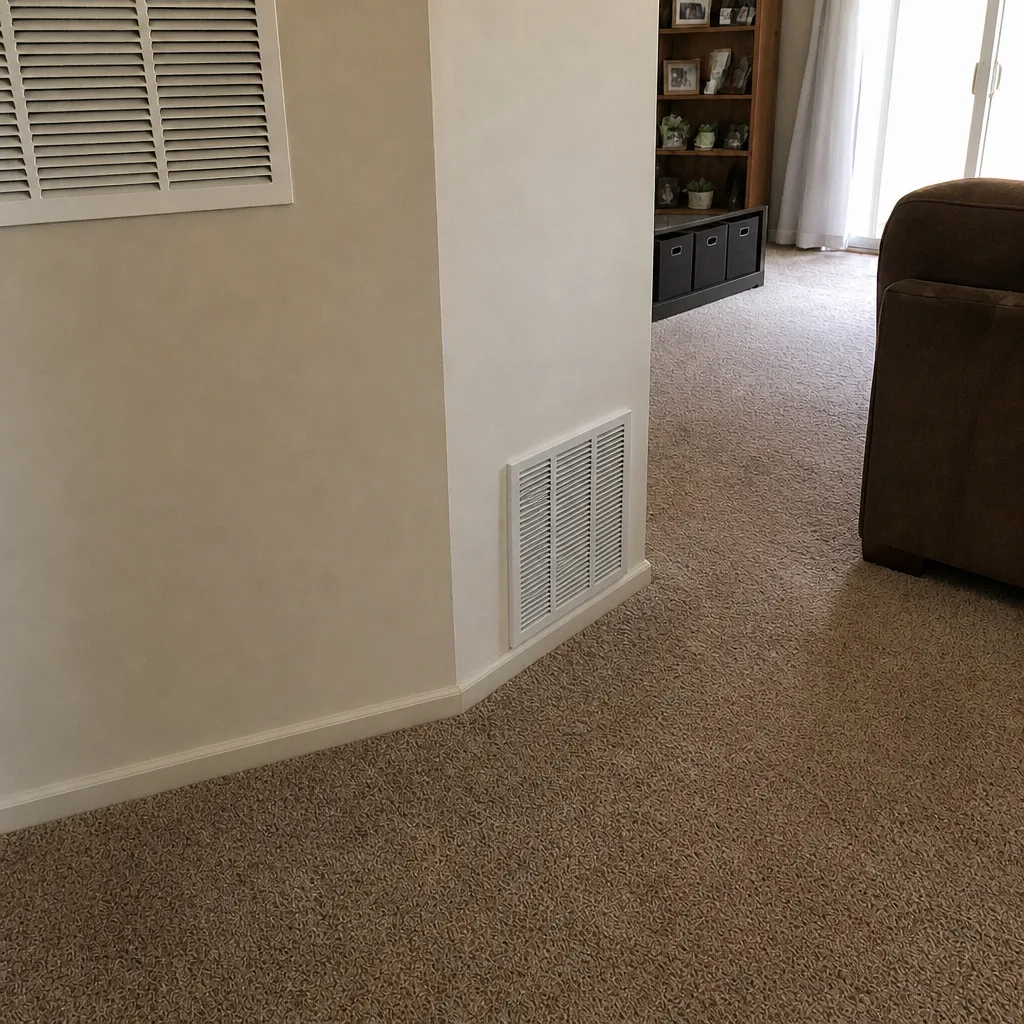
Whole-system duct and dryer vent check with before-and-after photos - you see exactly what came out of your vents
That "$99 whole-house special" is a bait ad - the real number appears once they are in your hallway, or the "clean" is a shop-vac at the register. We photograph the inside of your ducts before and after instead.
Air Duct Cleaning Maintenance Checklist for Northglenn Homeowners
Filter changes alone don’t protect your duct system. A filter that loads up and collapses inward stops sealing against its frame, and air starts slipping around the gasket instead of through the media. That bypass air carries dust straight past your filter and coats the supply plenum, the trunk lines, and eventually every register in the house. The filter looks dirty, so you replace it, and the real problem keeps building behind the grille where you never see it. What follows is a checklist built around observable, trackable conditions rather than a vague “get it cleaned every few years” reminder. You’ll learn what to check monthly, quarterly, and yearly, how to read the early warning signs on your own grilles, and when a Northglenn home needs a technician instead of a homeowner with a flashlight.
Quick Answer
A homeowner’s air duct maintenance checklist should cover three rhythms: monthly filter and airflow checks, quarterly visual inspections of return grilles and supply registers, and an annual deeper look at accessible ductwork, the blower compartment, and outdoor vents. Track filter condition, register dust patterns, and any musty or smoky smells in a simple log. Schedule professional whole-system cleaning when you see biofilm, rust rings, or debris buildup that returns within weeks, and after major local smoke or construction events in Northglenn.
Styles & brands we work with
- Whole-home duct cleaning
- Dryer vent cleaning
- Camera inspection
- Sanitizing & deodorizing
Table of Contents
- Monthly: What to Check in Ten Minutes
- Quarterly: Reading Your Grilles and Registers
- Annual: The Deeper Inspection
- MERV Ratings and Your System’s Static Pressure
- Northglenn-Specific Triggers: Smoke, Construction, and Wind
- What You Can Check vs. What Needs a Technician
- Documentation That Helps the Next Technician
- Common Mistakes to Avoid
- When to Call a Professional
- Frequently Asked Questions
Monthly: What to Check in Ten Minutes
Your monthly pass is about airflow consistency. You’re not cleaning anything deep. You’re looking for changes from last month. Ten minutes with a flashlight and your hand is enough.
Start at the filter. Pull it and hold it up to a light. If you can’t see light through more than a small patch of the media, it’s loaded and needs replacing. More important than how dirty it looks is whether it still sits flush in its slot. A filter that’s bowed, torn at the edges, or collapsed inward has stopped doing its job even if it looks full, because air is now bypassing it around the frame. If you find a collapsed filter, replace it and inspect the grille behind it for a dust line. That line is where bypass air has been dumping unfiltered dust into the system.
Next, walk every room and hold your hand over each supply register while the system runs. Flow should feel roughly even across the house. One weak register usually means a damper is partly closed, a flexible duct has kinked or disconnected in the attic or crawlspace, or a run has filled with debris. Weak flow at several registers at once often points to a dirty blower wheel or a filter that’s choking the return.
Monthly list, in order:
- Pull the filter and check it against a light source.
- Confirm the filter sits flush and isn’t collapsed or torn at the gasket.
- Hold your hand over each supply register and note any that feel weak or dead.
- Listen for rattles, whistles, or a whooshing sound at the return grille.
- Note any new smells (musty, smoky, or like hot dust) in your log.
- Look at your return grilles for dust building up on the fins between cleanings.
If you do nothing else monthly, do the filter check and the gasket check together. Those two minutes prevent the most common form of duct contamination we find in Northglenn homes, which is dust that bypassed a filter frame rather than a filter that failed on its own.
Quarterly: Reading Your Grilles and Registers
Every three months, get a screwdriver and remove one or two return grilles and a couple of supply registers you can reach safely. What you see on the inside of the grille and the first few inches of duct tells you a lot about what’s happening deeper in the system.
Here’s how to read what you find:
- Fine, even grey dust: normal. Wipe it and move on. Some settling is expected in every home.
- Dust rings with a sticky or slimy feel: biofilm. This means moisture is present in the duct, usually from high indoor humidity, a small leak, or condensation on cold metal during a Colorado temperature swing. Biofilm needs professional cleaning and then a moisture source to be found and corrected.
- Rust spots or orange staining on metal duct or grille screws: past or present moisture. Worth a technician’s inspection, because rust in a supply line can mean a disconnected duct in a humid space or a roof or window leak feeding the run.
- Heavy black or oily debris: often from a nearby remodel, cooking smoke, or a candle habit. This coats the duct wall and settles into the registers over time.
- Pet hair woven into the grille fins: a sign the return is pulling strongly and your filter may be overloaded. Consider a filter upgrade and more frequent changes.
- Drywall dust or construction grit in a specific register: that run was exposed to a remodel. Have it cleaned before you resume normal use.
Note the color, texture, and location of anything odd. A musty smell in one bedroom that gets worse in summer usually points to one specific run, not the whole system. When you air duct cleaning appointment happens, tell the technician which register the smell comes from. That kind of detail turns a whole-house cleaning into a targeted fix.
The other quarterly task is checking your outdoor dryer vent. Look at the exterior hood while the dryer runs. You should feel strong airflow. If the flap barely opens, or lint is visible around the hood, the vent is loading up. Dryer vent buildup is a leading cause of residential fires, which is why we treat dryer vent cleaning as a maintenance item, not an optional extra.
Annual: The Deeper Inspection
Once a year, before heating season starts, take a fuller look. Most of this is still observable, but you’ll want a screwdriver and a bit more time. Anything involving the blower compartment, wiring, or the interior of the air handler should be left to a technician.
Annual checklist:
- Turn the system off at the thermostat before you inspect anything.
- Remove a return grille and look down the accessible duct with a flashlight. Note debris depth and color.
- Check the supply registers in every room for even dust patterns and any rust.
- Look at the exterior dryer vent hood for lint and confirm the flap opens smoothly.
- Check all accessible flexible duct in the attic or crawlspace for kinks, tears, or disconnections.
- Look at the furnace or air handler cabinet for dust streaks that suggest a leak at a seam.
- Note the date and result of each check in your log.
Any duct damage you find, kinks, tears, or disconnected runs, undercuts everything else. Clean ductwork with a disconnected supply line in the attic pulls attic air into the house, insulation fibers included. That’s why we repair and seal as part of a whole-system service instead of cleaning around a broken run. The equipment matters here too. We use Rotobrush and Nikro systems for duct interior work because they’re the same class of equipment commercial contractors rely on, and Abatement Technologies gear for containment and air filtration so the dust we free doesn’t migrate into the rest of your house. For an annual deep pass that includes the air handler and the coil, see HVAC cleaning.
Annually is the right time to decide whether your home is due for a full professional cleaning. Most homes fall into a three-to-five-year rhythm, but that’s a rough guide, not a rule. A house with pets, a recent remodel, or a smoker may need it sooner. A clean home with a well-fitting filter and mild dust may stretch past five years.
MERV Ratings and Your System’s Static Pressure
Bigger MERV isn’t automatically better. A filter that’s too restrictive for your system’s rated static pressure tolerance will starve airflow, and a starved system is a duct system under stress. High-MERV media designed to filter very fine particles create more resistance, and residential blowers are sized around a specific pressure budget. When you push past it, the blower motor runs hotter, the coil gets less air across it, and the ducts themselves take on extra static load.
What this looks like at the register: flow drops noticeably after a filter upgrade, registers at the far end of the house feel weak, and the system runs longer to reach the thermostat’s setpoint. If you notice any of that after a filter change, the filter is mismatched to the system.
How to keep the balance:
- Match the filter to what the system was designed for, not to the highest MERV on the shelf.
- If you want better filtration, ask whether the duct system and blower can support it before you switch.
- Watch for a pressure drop: any register that goes weak right after a filter change is a warning sign.
- Remember that a filter upgrade is not a substitute for duct cleaning. It reduces what enters the system; it doesn’t remove what’s already inside.
- If your home has a whole-home air quality device, like an Aprilaire or Honeywell unit, the filter question often changes with the equipment. Have it evaluated together.
A properly sealed duct system makes a filter do its job more effectively, because bypass air isn’t slipping in around loose joints. Sealing and repair are where filter efficiency and duct integrity intersect. Every Northglenn home is different, so there isn’t a single MERV answer that’s right for everyone. The point is to check, not assume.
Northglenn-Specific Triggers: Smoke, Construction, and Wind
Northglenn sits in a region where three things happen in regular cycles that stress a duct system: wildfire smoke, construction activity, and high-wind dust days. None of these are alarm events on their own, but together they add up faster than most homeowners expect.
Wildfire smoke events. During a smoke episode, outdoor PM2.5 spikes and a lot of it enters your home. If your windows are open or your filter is loose in its slot, fine smoke particles load the return air and coat the duct interior with a thin, sticky residue. You’ll often notice a light grey or brownish film on your grilles after a heavy smoke season. That film is a cue to check your filter and consider an indoor air quality step alongside cleaning. Products like Aprilaire and Honeywell air cleaners, when properly sized to your system, help filter smoke particles as they enter, but only if the duct system itself isn’t leaking or bypassing.
Construction activity in Adams County. Northglenn has grown and redeveloped steadily, and new construction nearby means airborne drywall dust, sawdust, and concrete dust. If a home near an active site runs its system without a fresh filter, that grit loads the return and the supply plenum fast. If you’ve remodeled your own home, that’s a bigger trigger: drywall and sawdust settle deep into the runs feeding the affected rooms, and only a proper cleaning removes it. Our Northglenn Air Duct Cleaning service exists for exactly this situation.
High-wind days. The Front Range gets strong winds that lift dust and pollen off bare ground and parking lots. Wind-driven dust finds its way in through attic vents, window gaps, and any loose duct joint. Homes near open fields, big parking lots, or new development edges tend to pick up more wind-borne debris.
What to do about local triggers:
- After a heavy smoke event, check your filter and grilles right away. Replace the filter if it’s loaded.
- During nearby construction, change filters more often and keep windows closed when crews are working.
- After a remodel in your own home, have the affected runs cleaned before you turn the system back to normal.
- Note dates of smoke events and dusty days in your log so a future technician has a timeline.
Northglenn homes near I-25 and the denser corridors also pick up a little more roadway dust. It’s a mild effect but worth knowing if your home sits close to a busy road.
What You Can Check vs. What Needs a Technician
The line between homeowner maintenance and technician work is mostly about safety and access. Filters, grilles, and airflow tests are yours. The inside of the air handler, the blower, the coil, and anything past a fastened panel is not. Electrical components and gas components in your furnace can hurt you, and duct interior cleaning needs real suction and containment to actually remove debris rather than redistribute it.
Here’s the split:
- Homeowner tasks: filter checks and changes, grille removal and wiping, hand-test airflow, visual inspection of registers, checking the outdoor dryer vent hood, noting smells and keeping a log.
- Technician tasks: full duct interior cleaning, the supply plenum and trunk lines, the blower wheel and coil, sealing and repair of damaged duct, sanitizing treatments, and installing or servicing inline air quality equipment.
A word on safety: never open the furnace or air handler cabinet to inspect the blower or coil unless you’re trained and you’ve confirmed the power is off at the breaker. Capacitors hold a charge after power is cut, and terminals can be live. Coil cleaning chemicals and duct sanitizers are professional products, not consumer fluids, and they need correct dilution and ventilation. If a task involves removing a panel held by screws, an electrical component, or a chemical, it’s a technician job. We’d rather you stop at the grille than risk a burn or a shock.
For a technician’s full pass over the system, we use Rotobrush and Nikro equipment and, where containment and air filtration are needed during the work, Abatement Technologies gear. Our technicians have up to 10 years of experience and can tell you exactly what stage your duct system is at.
Documentation That Helps the Next Technician
Good record-keeping is the most underused tool a homeowner has. A future technician who knows what the last cleaning removed, how often you change filters, and which rooms have changed behavior can skip guesswork and go straight to the right part of the system. It also protects you when you’re reasoning about whether your ducts need cleaning sooner than the usual window.
Keep a simple log with these fields:
- Date each filter was changed and the MERV used.
- Date and result of each monthly and quarterly check.
- Notes on any grille that showed biofilm, rust, or heavy debris, and its location.
- Any smoke events, local construction, or remodel dates.
- Date of the last professional cleaning and the equipment used.
- Any duct repair or sealing done, with a note on which runs.
- Before-and-after photos of your own ducts if the technician provided them.
Photos matter more than most people realize. A technician who can see a before-and-after of your own duct interior can tell whether the system is holding up or whether debris has returned faster than it should. Save the photos with the service date in the file name.
If you integrate an Aprilaire or Honeywell indoor air quality unit, note the service dates for that equipment too. Filters and media for whole-home units have their own replacement rhythms, and tracking them alongside your duct cleaning keeps the whole air pathway in sync.
Common Mistakes to Avoid
- Relying on the “every three to five years” rule as if it were a law. It’s a rough baseline, and a pet-heavy Northglenn home or one that just went through a remodel can need cleaning sooner. Track your own conditions instead.
- Upgrading to a high-MERV filter without checking airflow. A filter too restrictive for the system starves the blower and stresses the duct system. Watch flow at the far registers after any change.
- Ignoring a filter that’s bowed or collapsed. Bypass air around the frame is one of the most common sources of duct contamination we see. Replace a collapsed filter immediately, not next month.
- Wiping grilles with household cleaners and calling it done. Surface wiping doesn’t reach past the first inch. If the inside of the grille is sticky or rusted, the run needs professional attention.
- Running the system right after a local drywall or construction event without a fresh filter. Fine grit loads the return fast. Change the filter first, and have the affected runs cleaned if the dust reached the rooms.
- Cleaning the duct system without repairing damaged runs. Cleaning around a disconnected or torn duct wastes the cleaning, because the leak keeps pulling in attic air or outdoor dust. Repair and seal are part of the job.
- Skipping the dryer vent. It’s easy to forget because it’s not part of the HVAC system, but lint buildup is a fire risk. Check the exterior hood every quarter and clean the vent on schedule.
When to Call a Professional
Call a professional when you can’t identify the source of a recurring smell, when your grille inspection turns up biofilm or rust, when you’ve had a remodel or a nearby construction project that put fine dust into the system, or when you’ve never had a full inspection and don’t know the condition of your ducts. Call sooner if you notice a musty smell that persists after filter changes, weak airflow at multiple registers, or visible debris in an accessible run that keeps returning within weeks. These are signs the system, not just the filter, needs a full pass.
At Northglenn Air Duct Cleaning, we offer free estimates in Northglenn: call (855) 726-7093. We answer 24/7. Fast dispatch from 7am to 7pm through the week, and we’ll confirm the actual price in a written estimate before any work starts.
Frequently Asked Questions
Most Northglenn homes fall into a three-to-five-year rhythm, but that’s a baseline, not a rule. Homes with pets, recent remodeling, or a smoker usually need it sooner, and homes with a well-fitting filter and low dust can stretch past five years. Let your quarterly grille checks and monthly filter changes tell you what your home actually needs.
No. A shop vacuum doesn’t have the suction, containment, or reach to clean duct interiors properly, and it can pull dust into the room instead of out of the system. Professional equipment like Rotobrush and Nikro systems uses controlled airflow and collection so the dust actually leaves the duct rather than resettling. Leave the deep cleaning to a technician and stick to filter and grille checks yourself.
Fine grey dust is normal, but biofilm (slimy or sticky dust), rust rings, oily black debris, or heavy pet hair woven into the fins all point to a condition worth noting. Note the color, texture, and location so you can tell a technician which register to focus on. If several grilles show the same problem, that’s a sign the whole system should be inspected.
Not always. A filter that’s more restrictive than the system’s rated static pressure tolerance can starve the blower and stress the ducts. Match the filter to your system’s design and check airflow at the far registers after any change. If airflow drops noticeably, the filter is the wrong choice for your home.
The biggest local triggers are wildfire smoke events, nearby construction activity in Adams County, and high-wind dust days that spike outdoor particles. Northglenn homes near active development or busy roads tend to pick up more debris. After any of these, check your filter and grilles right away, and have the system inspected if debris keeps returning.
Ask for before-and-after photos of your own ducts, not stock images, and keep the service date with them. A technician should also walk you through what was found and what was cleaned, including any repair or sealing. If a company can’t show you photos of the ducts it cleaned, that’s a reason to pause.
The Bottom Line
A duct maintenance checklist isn’t a reminder to clean every few years; it’s a monthly and quarterly habit that catches problems before they compound. Check your filter and its gasket monthly, read your grilles quarterly, and keep a log of dates, smells, dust colors, and any local smoke or construction events. When you see biofilm, rust, or recurring debris, call a professional who repairs and seals, not just vacuums. In Northglenn, our team can inspect, clean, and document the whole air pathway from intake to vent. Call (855) 726-7093 for a free estimate, and we’ll start with the facts your system gives us.
Written by the team at Northglenn Air Duct Cleaning.
See the difference
 Before
 After
 Before
 After
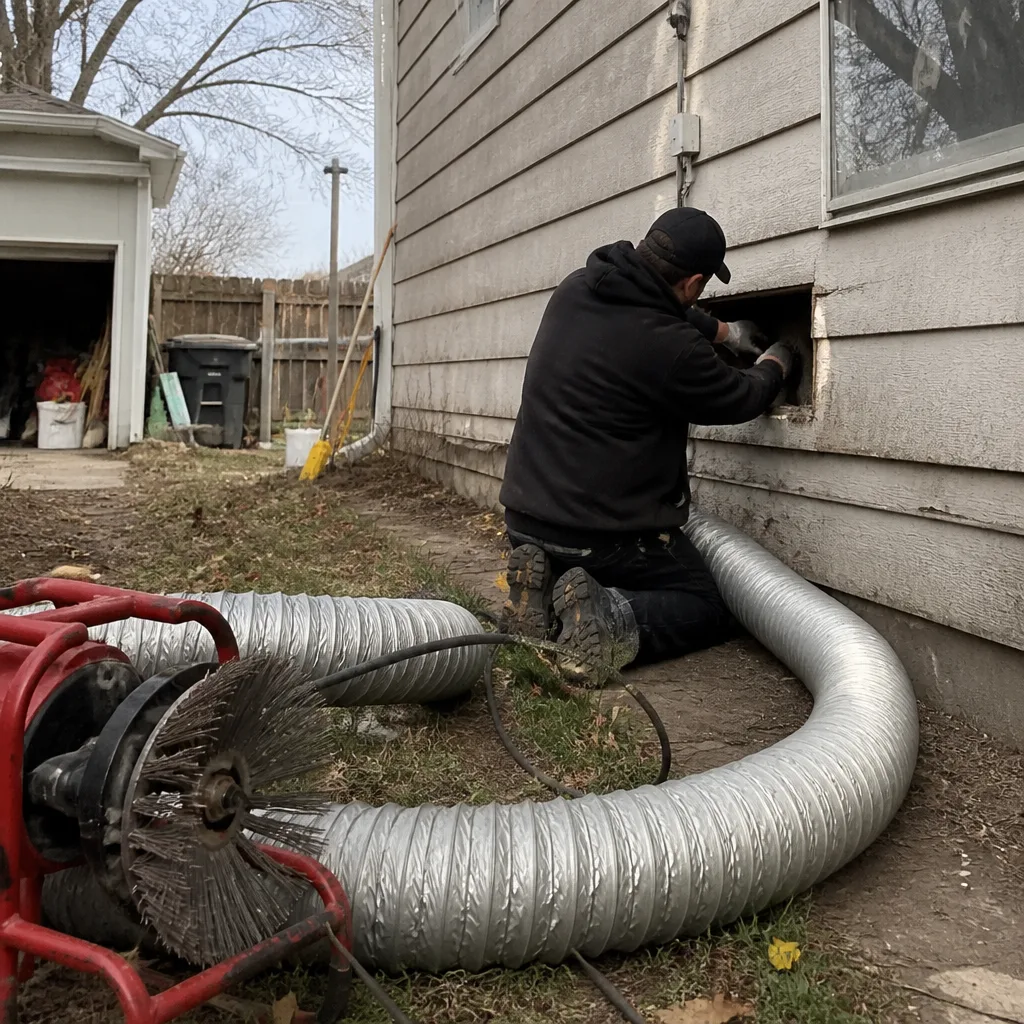 Before
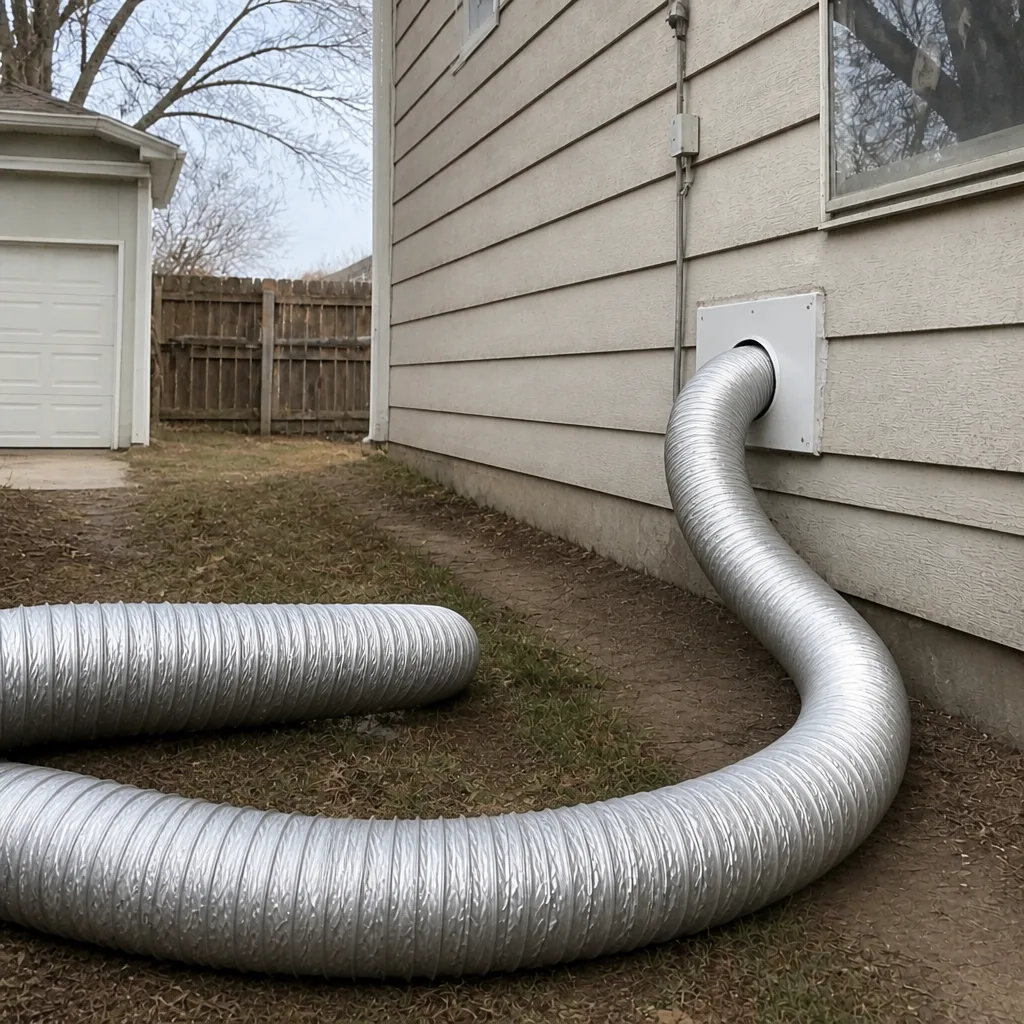 After