
Last updated November 25, 2026
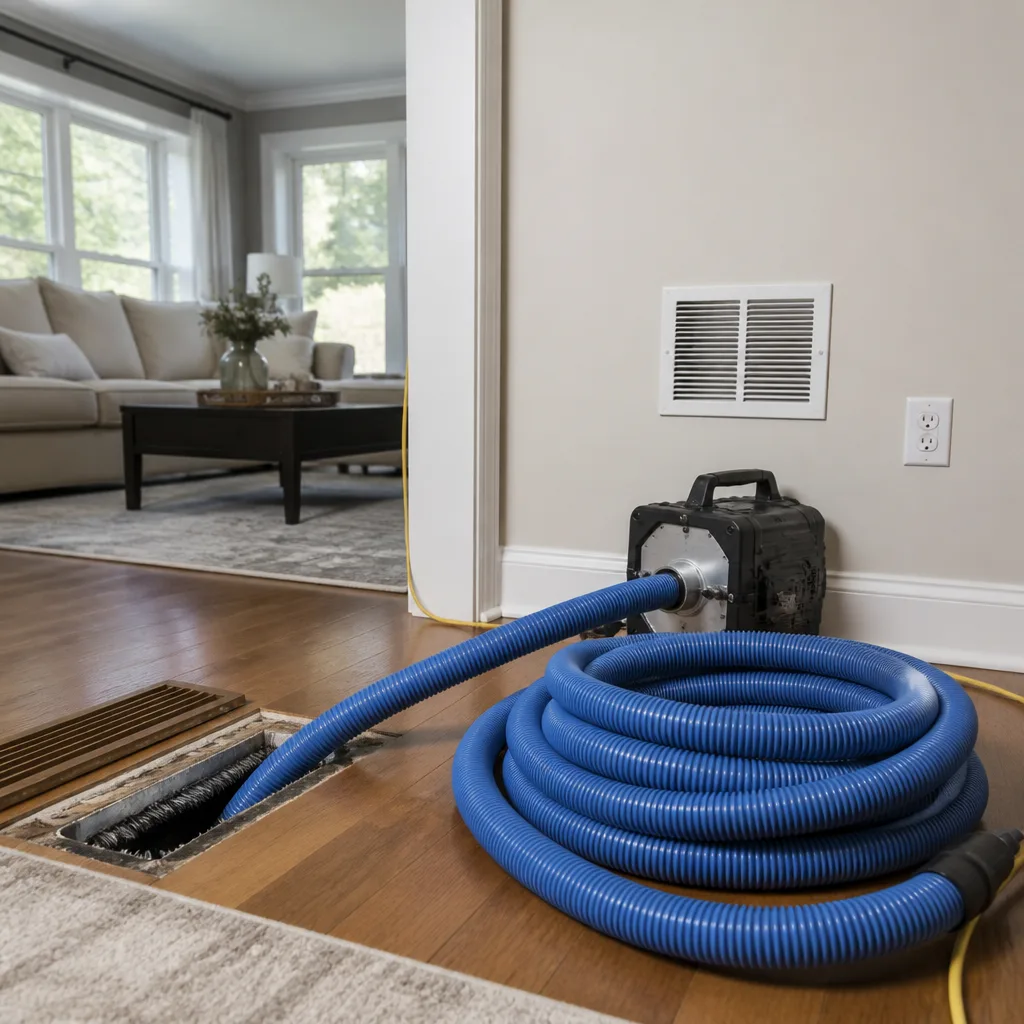 Whole-home duct cleaning
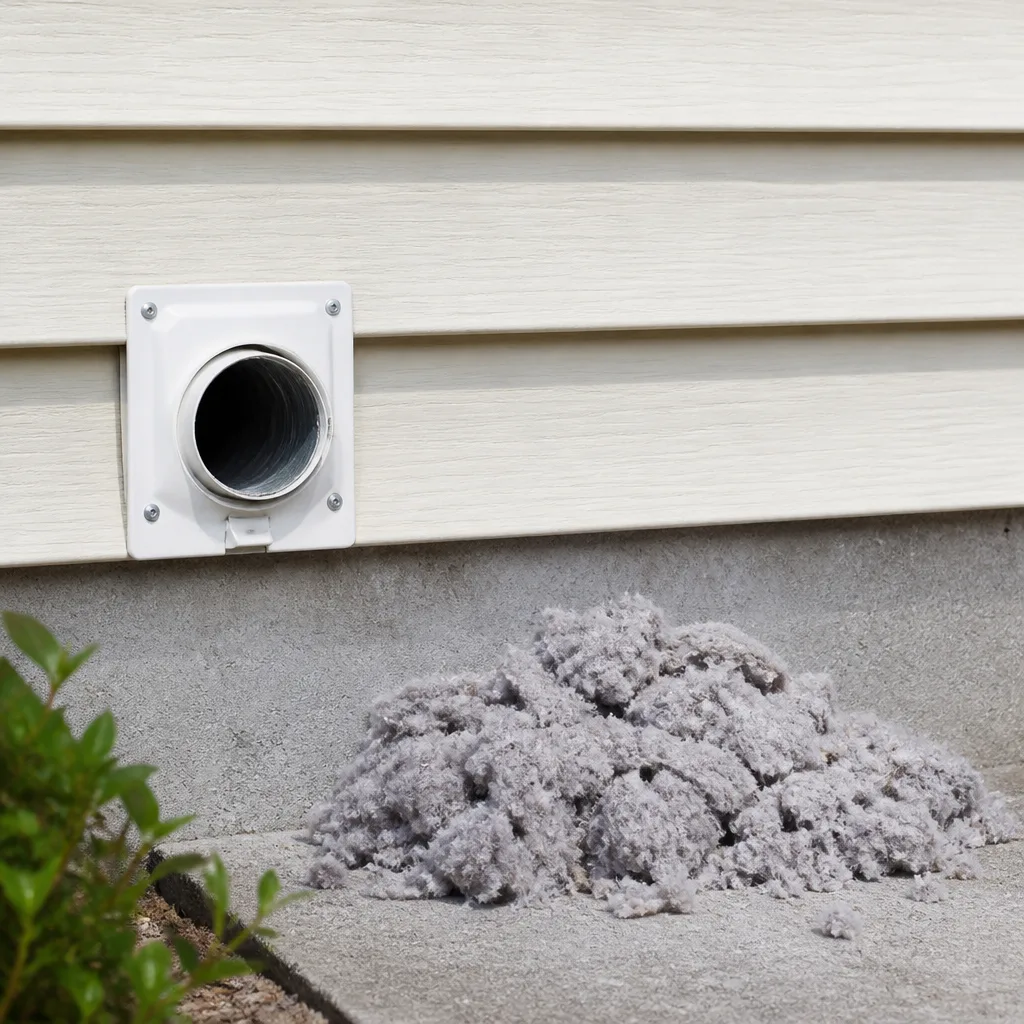 Dryer vent cleaning
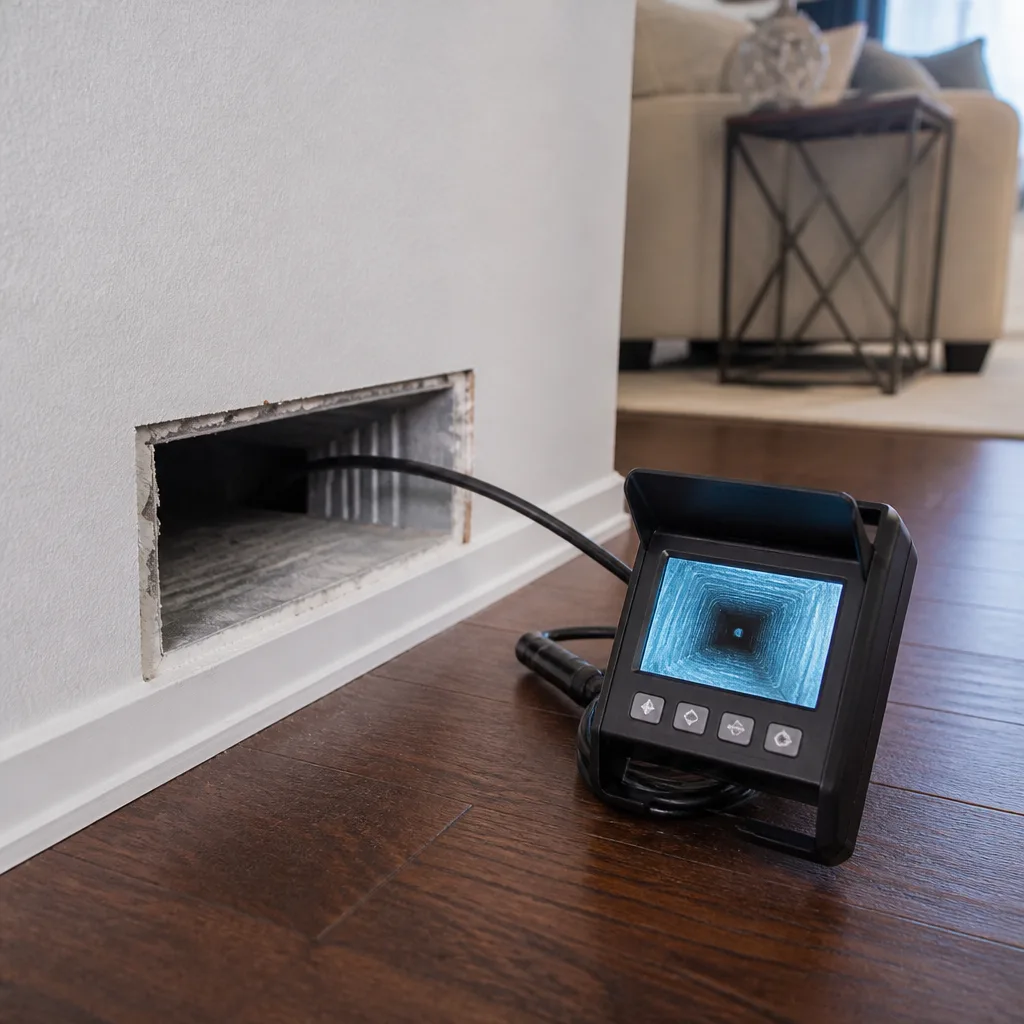 Camera inspection
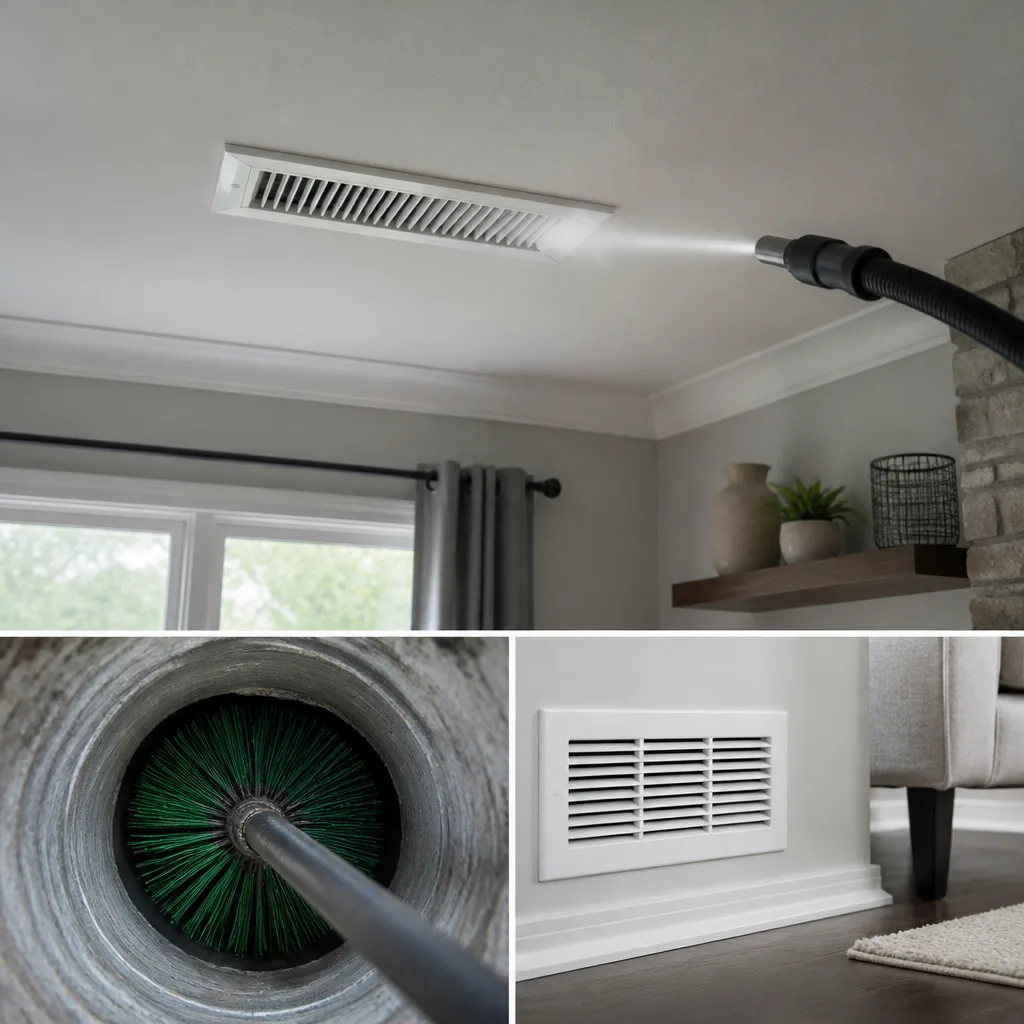 Sanitizing & deodorizing
Whole-system duct and dryer vent check with before-and-after photos - you see exactly what came out of your vents
That "$99 whole-house special" is a bait ad - the real number appears once they are in your hallway, or the "clean" is a shop-vac at the register. We photograph the inside of your ducts before and after instead.
DIY vs Professional Air Duct Cleaning: The Northglenn Homeowner’s Decision Guide
Every tutorial showing a homeowner “cleaning the ducts” with a leaf blower and a shop vac is really demonstrating how to redistribute contamination, not remove it. Without negative pressure containment, you push dislodged debris deeper into the system while scattering part of it into the rooms you live in. This guide is written to help you tell the two things apart: the register-and-filter upkeep that any careful homeowner can do well, and the source removal that requires about $10,000 to $30,000 of equipment you cannot rent at a hardware store. By the end you’ll know which jobs are honestly yours and which aren’t, and how Northglenn’s specific housing stock and location along the I-25 corridor tip the decision.
Quick Answer
DIY work is worth doing for the visible parts of your system: swapping filters, cleaning supply registers and return grilles, and vacuuming what you can reach at the return opening. Professional cleaning becomes the right call when contamination sits inside the duct runs themselves, because removing it requires negative air machines, rotary agitation, and HEPA filtration that consumer tools can’t replicate. For homes in Northglenn with original construction-era ductwork, fiberglass-lined runs, recent renovation dust, or a family member with allergies, the professional option is usually the only one that actually removes what’s in the system.
Call (855) 726-7093 for a free estimate. We answer 24/7. Fast dispatch from 7am to 7pm, Sunday through Friday.
Styles & brands we work with
- Whole-home duct cleaning
- Dryer vent cleaning
- Camera inspection
- Sanitizing & deodorizing
Table of Contents
- What NADCA Source Removal Actually Requires
- The Honest DIY Ceiling: What You Can Do Effectively
- When DIY Is Worse Than Doing Nothing
- How to Calculate Whether Professional Cleaning Makes Financial Sense
- Northglenn-Specific Factors That Tip the Scale
- How to Choose a Professional in Northglenn
- Red Flags in the Duct Cleaning Market
- When to Call a Professional
What NADCA Source Removal Actually Requires
The industry standard for duct cleaning is what the National Air Duct Cleaners Association (NADCA) calls “source removal” – meaning the contaminant is physically taken out of the system and captured, not just loosened and left to circulate. That definition sounds simple. The equipment required to meet it is not.
At a minimum, a source-removal job involves four categories of machinery working together:
- Negative air machines – high-volume vacuums that pull the entire duct run into negative pressure so dislodged dirt travels toward the collection point instead of into the living space. Professional units move hundreds to thousands of cubic feet per minute through HEPA filtration.
- Agitation devices – rotary brushes, compressed-air whips, and cable-driven tools that break the contamination film off the duct walls. A duct can look clean while still carrying a bonded layer of dust, mold spores, and construction debris on its interior surface.
- HEPA filtration – capture rates at the highest efficiency grade so exhausted air is cleaner than the room it discharges into.
- Containment – sealing registers and returns, using a negative air setup, and controlling the work zone. Abatement Technologies equipment, for example, is built for this containment and filtration job, and it’s the same class of gear used in commercial and industrial work.
We use Rotobrush and Nikro systems because they’re industry-recognized professional duct-cleaning machines built to agitate and capture simultaneously. A consumer shop vac with a brush wand isn’t a smaller version of that. It’s a fundamentally different tool.
The Honest DIY Ceiling: What You Can Do Effectively
There’s a real amount of duct-system maintenance that a careful homeowner can do well. It just happens to be the accessible 10 to 20 percent, not the concealed 80 percent.
Jobs you can do safely and well
- Replace the HVAC filter on schedule. A standard 1-inch pleated filter is usually good for one to three months, sooner during heavy pollen season or after a renovation. Match the filter to the slot depth and don’t oversize the MERV rating beyond what your blower is rated for.
- Clean supply registers every few months. Remove the grille, wash it in warm soapy water, dry it fully, and reinstall. This is where a lot of visible dust settles and it goes right back into the room otherwise.
- Vacuum the return grille face. Use a brush attachment on a household vacuum, gently, working with the vanes rather than against them. Wet-wipe afterward.
- Vacuum what you can reach through the return opening. If your return has a removable grille and you can reach the duct boot, a wand vacuum will pull up loose surface dust. Stop at the first bend or drop that puts strain on the duct.
- Keep floor returns clear. Furniture, rugs, and curtains blocking a return reduce system airflow and stage more dust where it can settle.
- Seal obvious gaps at the register boot. If you can see daylight or feel air blowing at the gap where the duct boot meets drywall, most hardware stores sell foil tape and mastic rated for HVAC joints.
All of that is worthwhile and all of it costs very little. None of it touches the interior of the trunk line, the branch runs behind finished walls, the supply plenum at the top of the furnace, or the coil. Those are the surfaces where contamination actually accumulates, and that’s the gap professional service is built to close.
When DIY Is Worse Than Doing Nothing
There are specific circumstances where poking a shop vac or leaf blower into a duct creates more problems than it solves. If any of these apply, stop and call.
Fiberglass-lined ducts
Some older duct systems are internally lined with fiberglass acoustic insulation. Run a stiff brush or a high-pressure nozzle against that lining and you’ll abrade it, creating a permanent shedding problem where loose fibers enter the airstream every cycle. Professional cleaning uses lower-pressure, softer-contact tools for this duct type, and the technician identifies the lining before choosing which heads to run.
Suspected mold in the system
Mold growth inside ductwork means the moisture source hasn’t been fixed and the contamination is active. Disturbing it with consumer equipment aerosolizes spores without capturing them. A professional job controls the airflow, contains the work zone, uses HEPA-grade capture, and then applies an EPA-registered sanitizer – we use Guardsman products – once the surfaces are cleaned and dry.
Older flex duct
Flexible duct comes with a thin inner liner that tears under stress. Once it tears, the insulation behind it fills the airstream and you’ve created a bigger problem than the dirt you were chasing. If your branch runs are flex and older than about a decade, that’s a job for someone who can see and feel what the liner is doing.
Sealed or finished duct systems
If the ducts run behind finished drywall or through a crawlspace you can’t safely access, you can’t reach what matters. Attempting access through cut holes risks more than it solves.
Any system with a suspected gas or combustion issue
This isn’t a DIY situation of any kind. If you smell gas, hear abnormal sounds from the furnace, or suspect a venting problem, stop, ventilate the area, and call a licensed HVAC or gas professional immediately. Duct cleaning is a downstream concern in that scenario.
How to Calculate Whether Professional Cleaning Makes Financial Sense
There’s no universal answer here, so we won’t pretend there is. The honest math depends on four variables, and any one of them can flip the decision.
System age
Ductwork that’s been in place for 15 or more years without cleaning has typically accumulated a bonded layer on the interior wall that no filter changes address. The older the system, the more cost-effective a cleaning becomes – both because there’s more to remove and because deferred cleaning correlates with airflow problems that raise utility costs. A newer system in a recently built home may have almost nothing worth removing.
Home size and system layout
A 1,200-square-foot ranch with a short trunk line is a smaller job than a multi-level home with long branch runs, a zoned system, or a basement trunk running the full length of the house. Larger systems mean more duct runs, more registers, and more linear footage to agitate and capture. Expect the estimate to scale with that footage, not with the number of vents alone.
Health factors
Household members with asthma, seasonal allergies, or respiratory conditions benefit disproportionately from source removal because the contaminant load in their air is lower. Families with young children, households with pets, and anyone sensitive to particulates has a stronger case than a healthy adult in an empty house.
Recent renovation or occupancy change
Drywall dust, sawdust, and construction debris enter the system during any renovation that disturbed walls, ceilings, or flooring. Professional source removal after major work is one of the highest-return cleanings you can book, because the contaminant load is heavy, recent, and inside a system that wasn’t protected during construction.
What the ranges look like
Typical whole-system pricing in the north Denver metro breaks down roughly like this. These are estimated ranges for the whole system, not per-vent pricing, and the written estimate sets the final number:
| Service | Typical Estimated Range |
|---|---|
| Air duct cleaning, whole system (standard single-family home) | $350 to $700 |
| Air duct cleaning, larger or multi-zone home | $700 to $1,200 |
| Dryer vent cleaning (separate service) | $120 to $250 |
| Duct repair and sealing (minor to moderate) | $300 to $900 |
| Sanitizing treatment after cleaning | $150 to $400 |
One flat price per system, agreed before work starts. That’s the model here, and it’s also the only model that protects you from the coupon-then-upcharge pattern this industry is unfortunately known for.
Northglenn-Specific Factors That Tip the Scale
Northglenn is not a generic suburb, and the housing stock here changes the calculus in ways that a national blog about “when to clean your ducts” won’t tell you.
Construction-era homes with original ductwork
A large share of Northglenn’s residential housing was built during the post-war growth boom and the decades that followed, and many homes still carry their original galvanized steel ductwork with minimum-depth filters and simple plenum layouts. Those systems have had seven to eight decades of dust loading, filter changes, and small repairs. Original ducts in these homes are also prone to joint separation and to sealant failure at the seams, which we often find during cleaning. That’s part of why we repair and seal, not just clean – cleaning a leaky duct system gets you a partial result.
Proximity to the I-25 corridor
Homes near the I-25 corridor take in a noticeably higher load of fine diesel particulate than homes further east. Those particles are small enough to stay airborne and to carry into the return-air side of the system, where they can accumulate on duct walls. They’re also small enough that standard 1-inch filters don’t capture them all. For homes right against the corridor, the case for periodic professional cleaning is stronger than it would be in a neighborhood further from the highway – and the case for a properly integrated filtration setup (Aprilaire and Honeywell media arrangements are the ones we install and reference most often) is stronger still.
Recent renovation work
Northglenn sees a steady volume of kitchen and basement remodels, and renovation dust is the single most predictable source of duct contamination we encounter. If you’ve had drywall work, flooring replaced, or a basement finished in the last two years, there’s a strong likelihood of visible construction debris in the return system. Unprotected remodels push that material through the trunk line the moment the system runs.
Altitude and dry air
The high-desert Front Range climate keeps interior air dry most of the year, which suppresses active mold growth but concentrates static-attracted dust inside ducts and on register faces. That static loading is a reason filter replacement and register cleaning matter more here than in a humid climate, and it’s also a reason fine dust in the airstream is more noticeable here.
When these factors stack up in the same home, the professional option stops being optional and starts being obvious. If you’re not sure whether they apply to your system, a walkthrough estimate settles it quickly.
How to Choose a Professional in Northglenn
The quality gap among professional duct cleaning companies is enormous, so choosing well matters as much as deciding to hire.
Questions to ask before you book
- What equipment do you use? A serious answer names specific brands – Rotobrush, Nikro, Abatement Technologies are the ones we work with – and describes negative air and HEPA capture. A vague answer or “we use a big vacuum” is a signal.
- Do you keep the system under negative pressure during the work? If the answer doesn’t mention containment, you’re paying for redistribution.
- Do you offer repair and sealing, or just cleaning? Most duct problems we find are leaks, disconnected joints, or damaged boots. A company that cleans only leaves those behind and the result degrades within a season.
- Will I see before-and-after photos of my own system? Not stock photos of some other home’s ducts. Yours, with your registers visible.
- Is the price one flat price per system, or per vent? Per-vent pricing is a bait-and-switch structure. Flat pricing, set by a written estimate before work starts, is what protects you.
- Is the local pro licensed and insured as their state requires? Ask for proof in writing.
- Do you handle dryer vent cleaning and HVAC cleaning as part of the same visit? A clogged dryer vent is a fire hazard and is often discovered during a full air-system walkthrough.
Our technicians have up to 10 years of experience, and the work we do for a Northglenn homeowner spans five distinct services so you’re not trying to coordinate three different contractors. If you’re ready to start, see what air duct cleaning actually involves in this city, or read about dryer vent cleaning if your lint line is overdue.
Red Flags in the Duct Cleaning Market
The reason this industry has a trust problem is that the bait-and-switch model is common. Here’s what to watch for.
- A price advertised as a coupon that becomes a much larger invoice on-site. If you’re quoted per vent or with a teaser number before anyone has seen the system, that’s not an estimate – it’s a door opener.
- No equipment description on the company’s website. Real operators name their machinery because it’s their proof, not their secret.
- “Cleaning” that doesn’t include agitation. Vacuuming a register and calling it duct cleaning is not source removal, and you should ask explicitly what happens to the interior duct wall.
- No offer of repair or sealing. A company that can’t fix what it finds is telling you something.
- No before-and-after photos available. The work can be documented cheaply, and serious operators do.
- Pressure to add on a sanitizing treatment before the cleaning is complete. Sanitizing should follow cleaning and drying, on a system that’s been assessed, not as an upsell on the front end.
We’re direct about the fact that not every home needs cleaning. If your ducts are already clean, we’ll tell you that and skip the sale. Call (855) 726-7093 for a free estimate.
When to Call a Professional
Call a professional when the contamination is inside the duct runs rather than on the visible surfaces. That means: the system is original to a Northglenn construction-era home and has never been cleaned, you’ve had a renovation within the last two years, you can see visible debris at the returns, a household member has respiratory allergies, the system has fiberglass-lined runs or older flex duct, or the home sits close to the I-25 corridor and you want the fine particulate load addressed. Call if you’re seeing unexplained dust settling right after cleaning, or if you smell musty air when the system runs. Northglenn Air Duct Cleaning offers free estimates in Northglenn – call (855) 726-7093. We answer 24/7. Fast dispatch from 7am to 7pm, Sunday through Friday.
See the difference
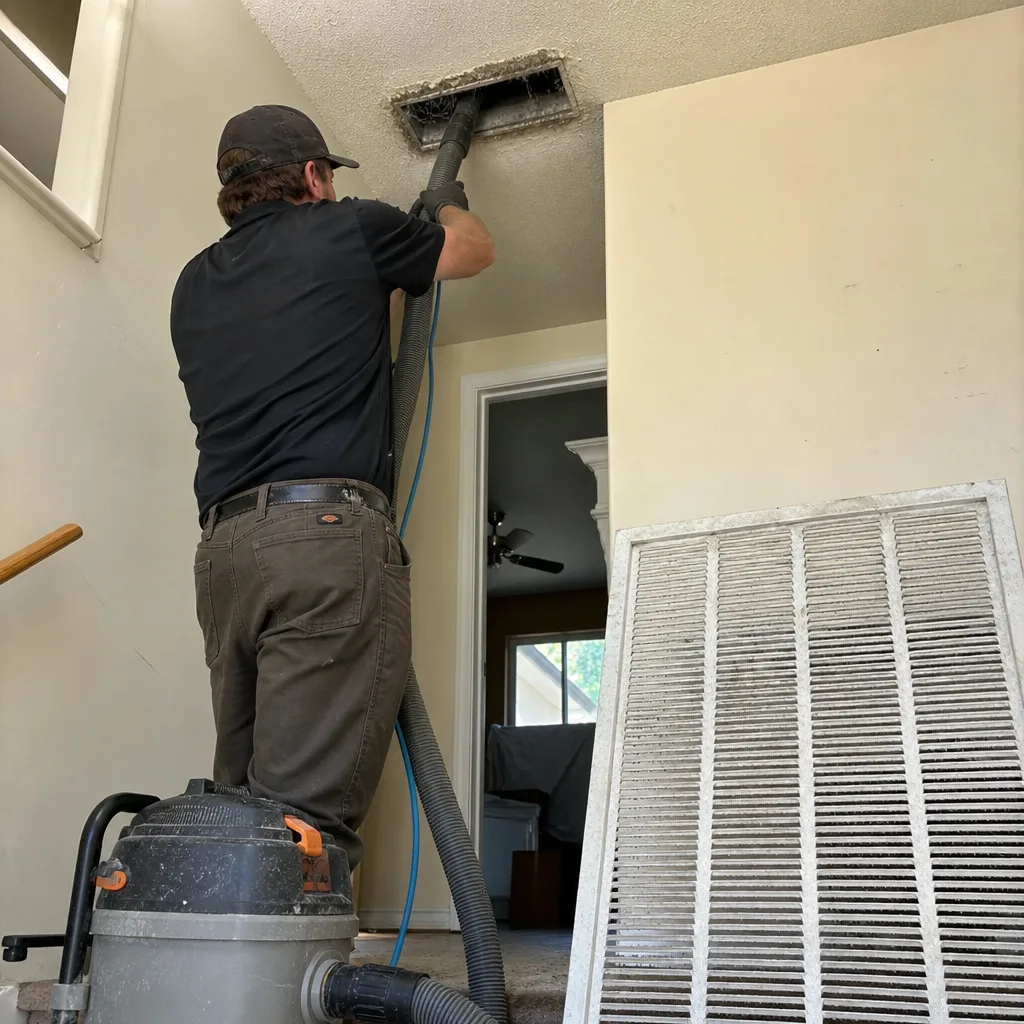 Before
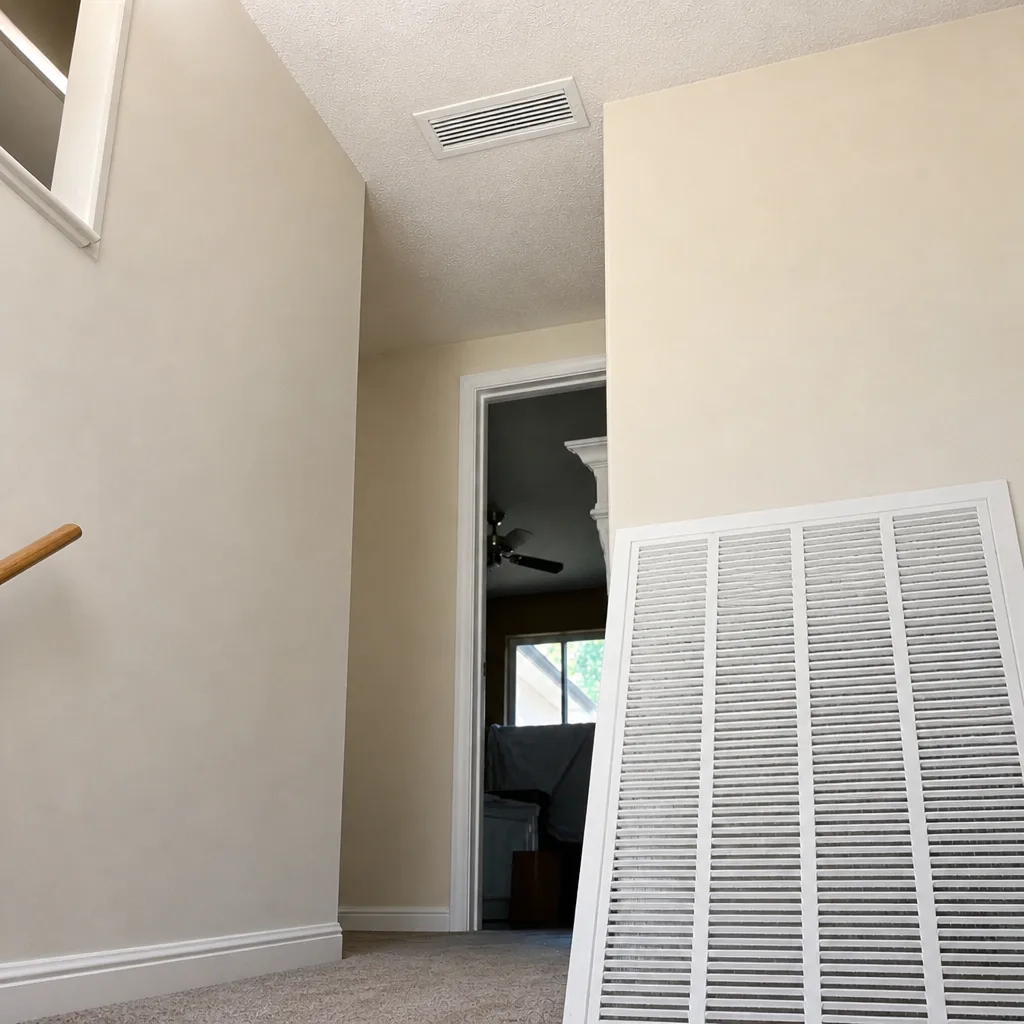 After
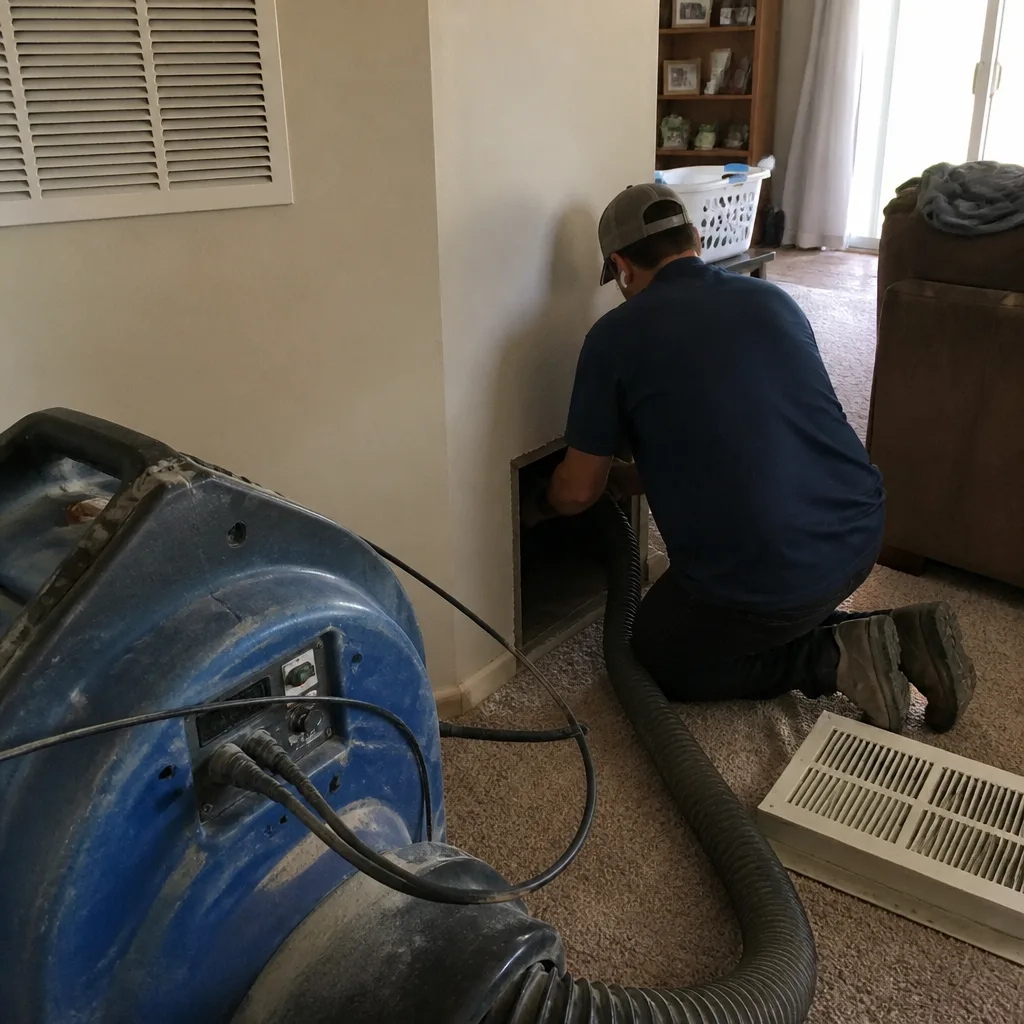 Before
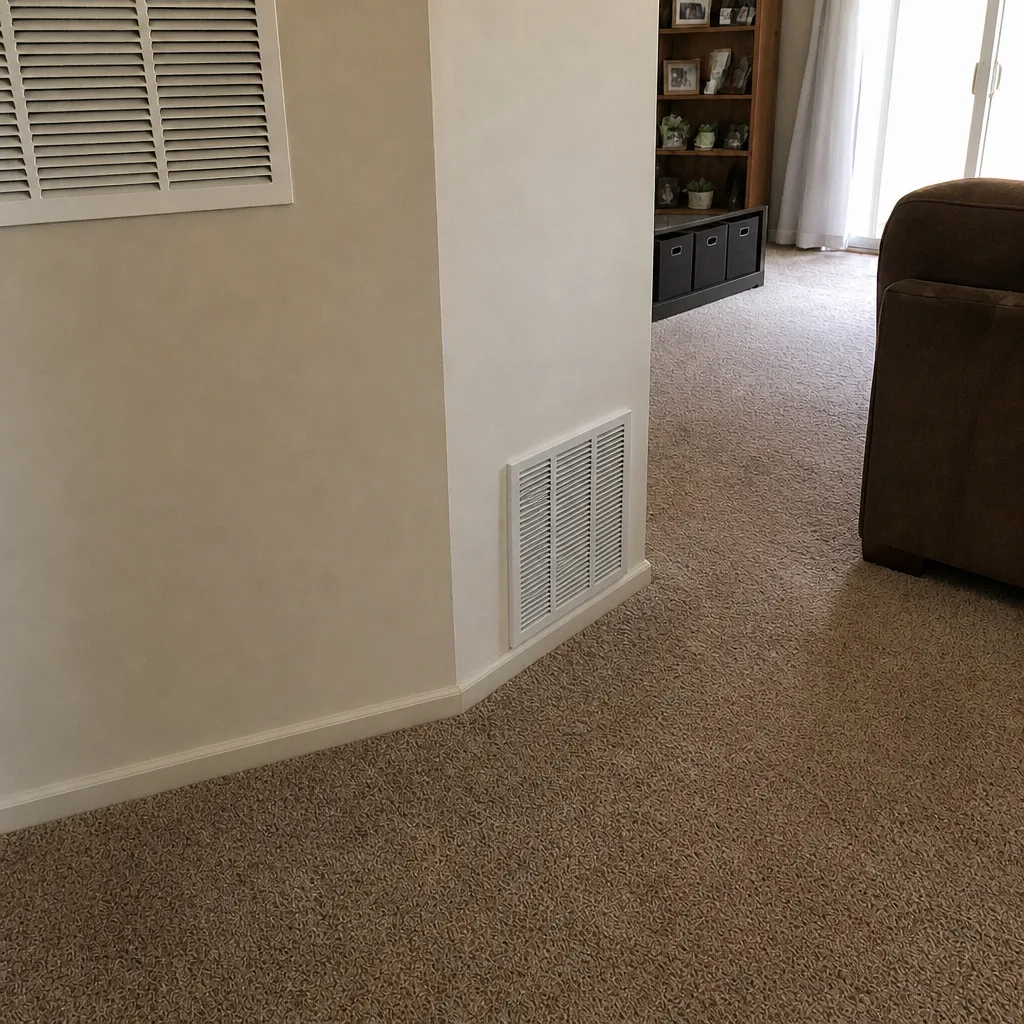 After
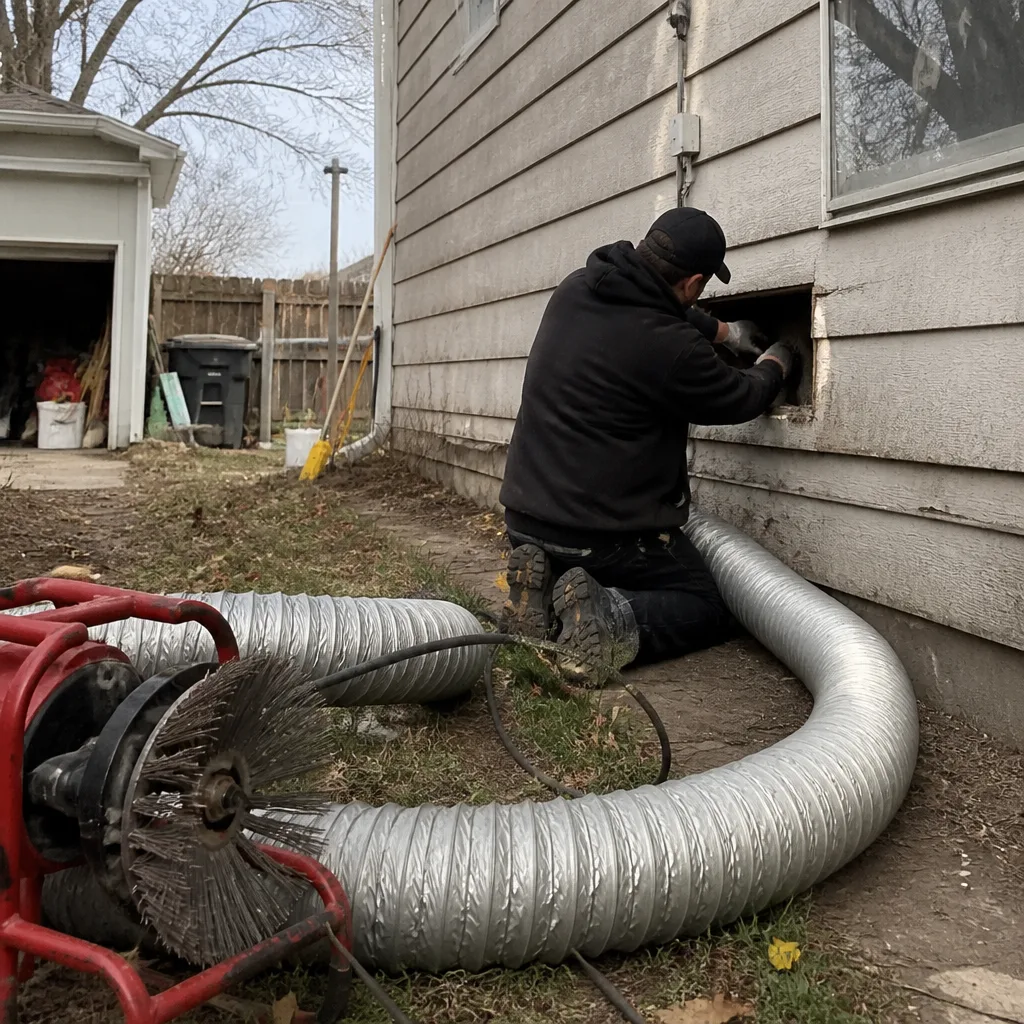 Before
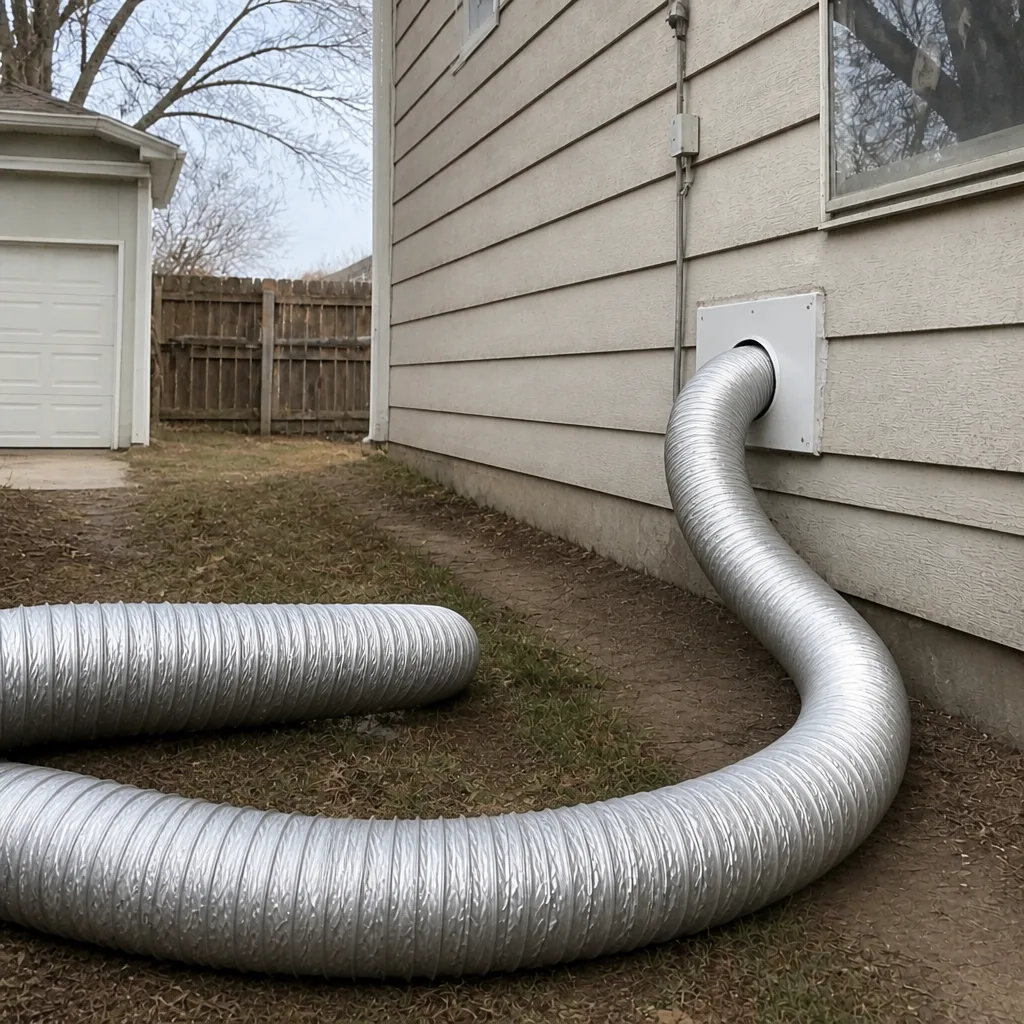 After
Frequently Asked Questions
Air duct cleaning in Northglenn typically costs $350 to $700 for a standard single-family home, and $700 to $1,200 for larger or multi-zone systems. The written estimate sets the final price, and the range reflects the whole system, not a per-vent number. Call (855) 726-7093 for an exact quote – estimates are free.
Cheap quotes are usually a doorway price – a coupon figure that gets a technician in the house, followed by a much larger invoice once you’re committed, or a “cleaning” that’s really just a register vacuum without containment or agitation. If a quote doesn’t describe the equipment and doesn’t price the whole system up front, the low number you’re being shown is not the number you’ll pay. Call (855) 726-7093 for a flat, whole-system estimate.
No, not at the level required for source removal. The rotary agitation and negative air machines used in professional cleaning are $10,000 to $30,000 class equipment and aren’t stocked at hardware stores for rental. Consumer equipment can reach registers and the return opening, but not the trunk line and branch runs where contamination actually accumulates. Call (855) 726-7093 if you want to know whether your system needs the professional reach.
You see it. Before-and-after photos of your own registers, returns, and trunk line are the standard we hold ourselves to, and you should expect the same from any professional. Ask for them before you book, and confirm the technician will photograph your system specifically. Call (855) 726-7093 and we’ll walk you through exactly what gets documented.
Healthy systems in a typical Northglenn home usually need cleaning every three to five years, and homes with pets, recent renovations, an allergy sufferer, or a location near the I-25 corridor usually fall on the shorter end. Homes with fiberglass-lined ducts or older flex duct should be assessed visually before any decision rather than put on a fixed schedule. Call (855) 726-7093 for a free estimate to see where your system actually stands.
Yes, dryer vent cleaning is a separate service and a separate safety concern. A lint-clogged dryer vent is a fire hazard and is unrelated to your HVAC duct runs. We inspect the dryer vent on request during a full air-system visit. If yours hasn’t been looked at in several years, dryer vent cleaning is the place to start.
Same-day service is available in many cases for duct cleaning, dryer vent cleaning, and HVAC work in Northglenn. Availability depends on the day’s schedule, so it’s worth calling early. Call (855) 726-7093 for the earliest opening.
The Bottom Line
DIY is worth doing for the parts of the system you can reach: filters, registers, return grille faces, and obvious joint gaps. It’s not a viable substitute for source removal, because source removal requires equipment that can’t be replicated with a shop vac and a YouTube tutorial. Northglenn’s construction-era housing stock, the I-25 particulate load, and the frequency of renovation dust in this city all tend to push the decision toward professional cleaning rather than away from it. The right approach is to get one honest estimate on a whole-system price, ask about equipment and containment, and skip any quote that starts per-vent. Clean air starts at the source – from intake to vent.
Call (855) 726-7093 for a free estimate. We answer 24/7. Fast dispatch from 7am to 7pm, Sunday through Friday. If you’d like to understand the full range of what’s involved before you call, start with Northglenn Air Duct Cleaning, and take a look at HVAC cleaning if your coil and blower haven’t been in the conversation yet.
Written by the team at Northglenn Air Duct Cleaning.