
Last updated November 25, 2026
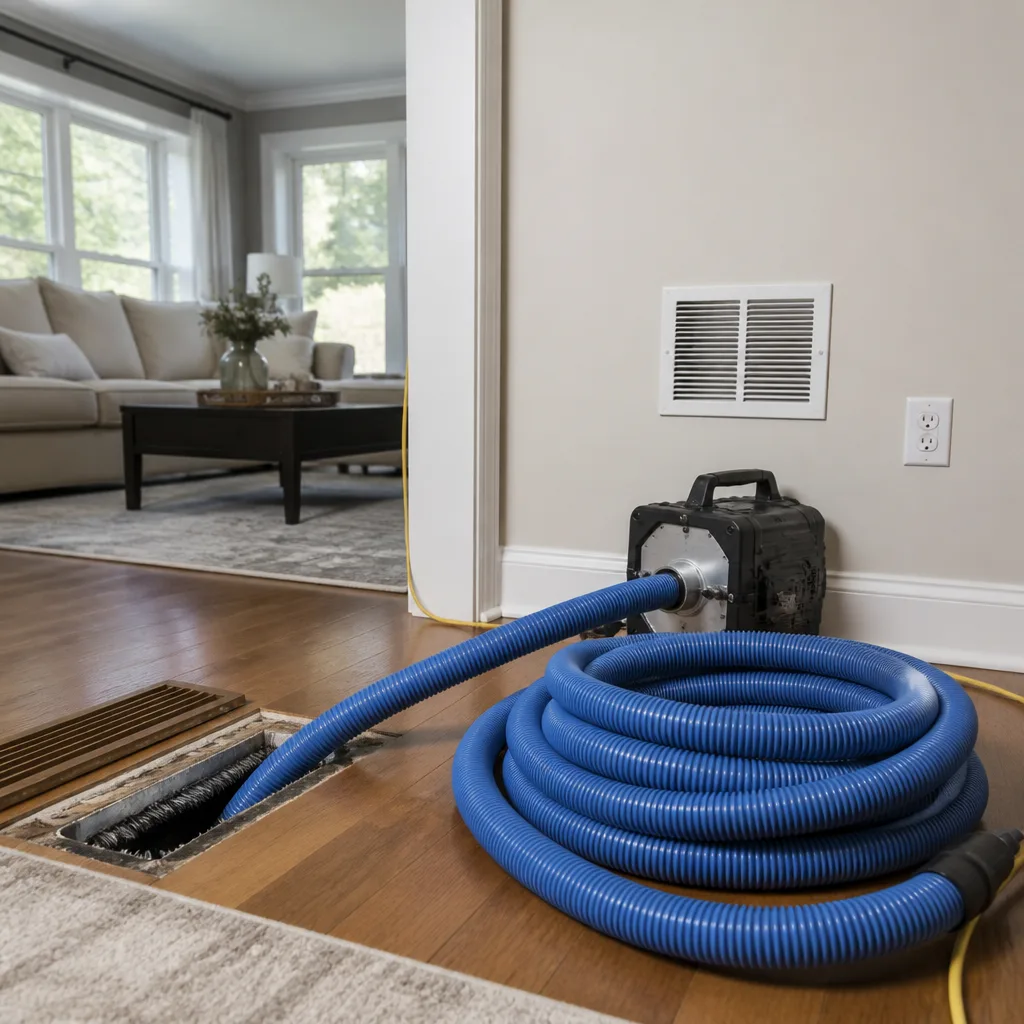 Whole-home duct cleaning
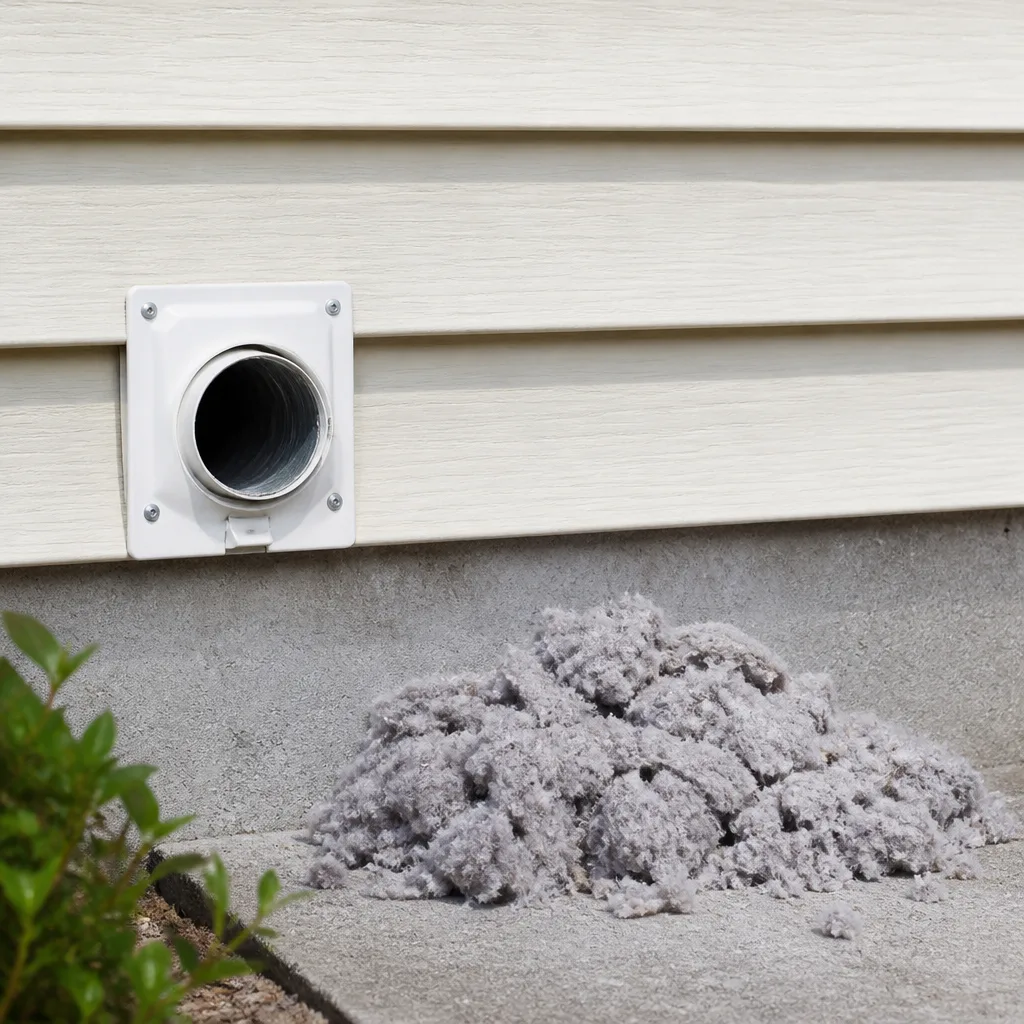 Dryer vent cleaning
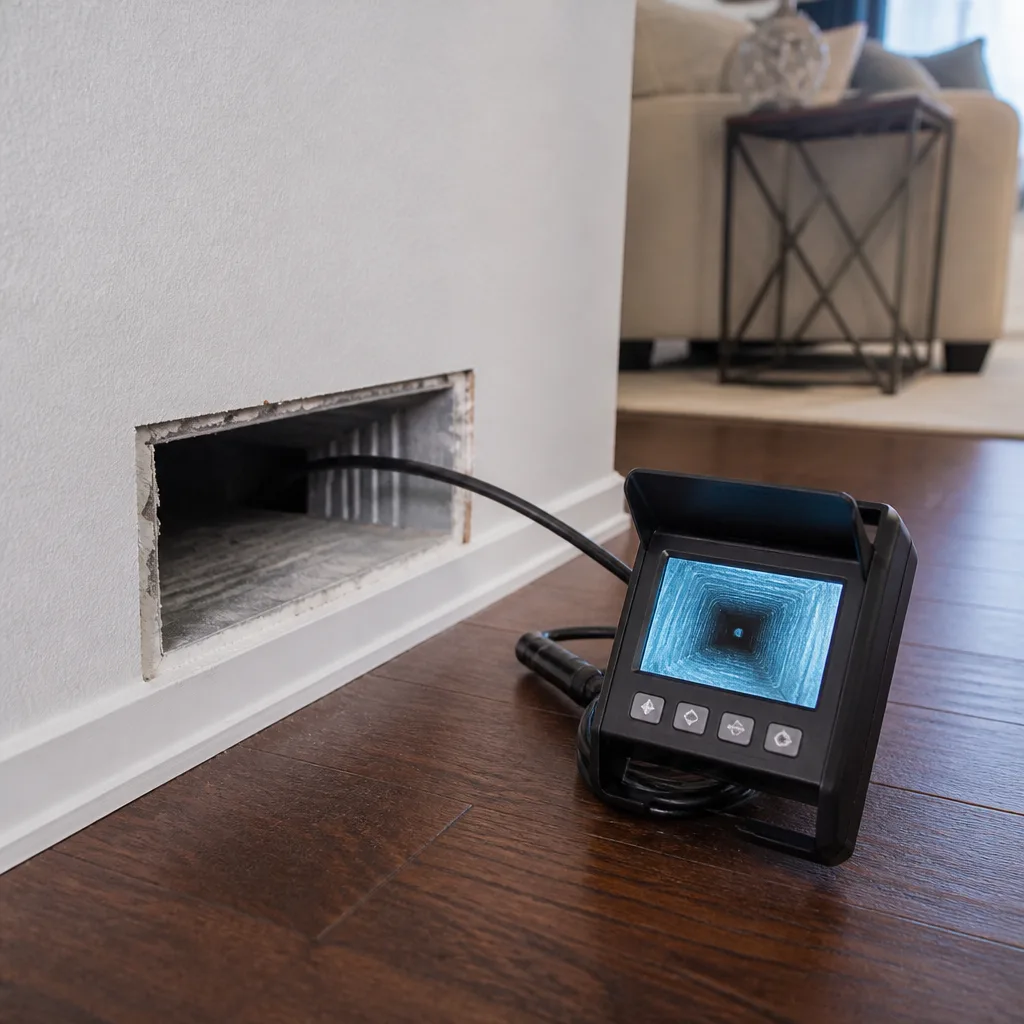 Camera inspection
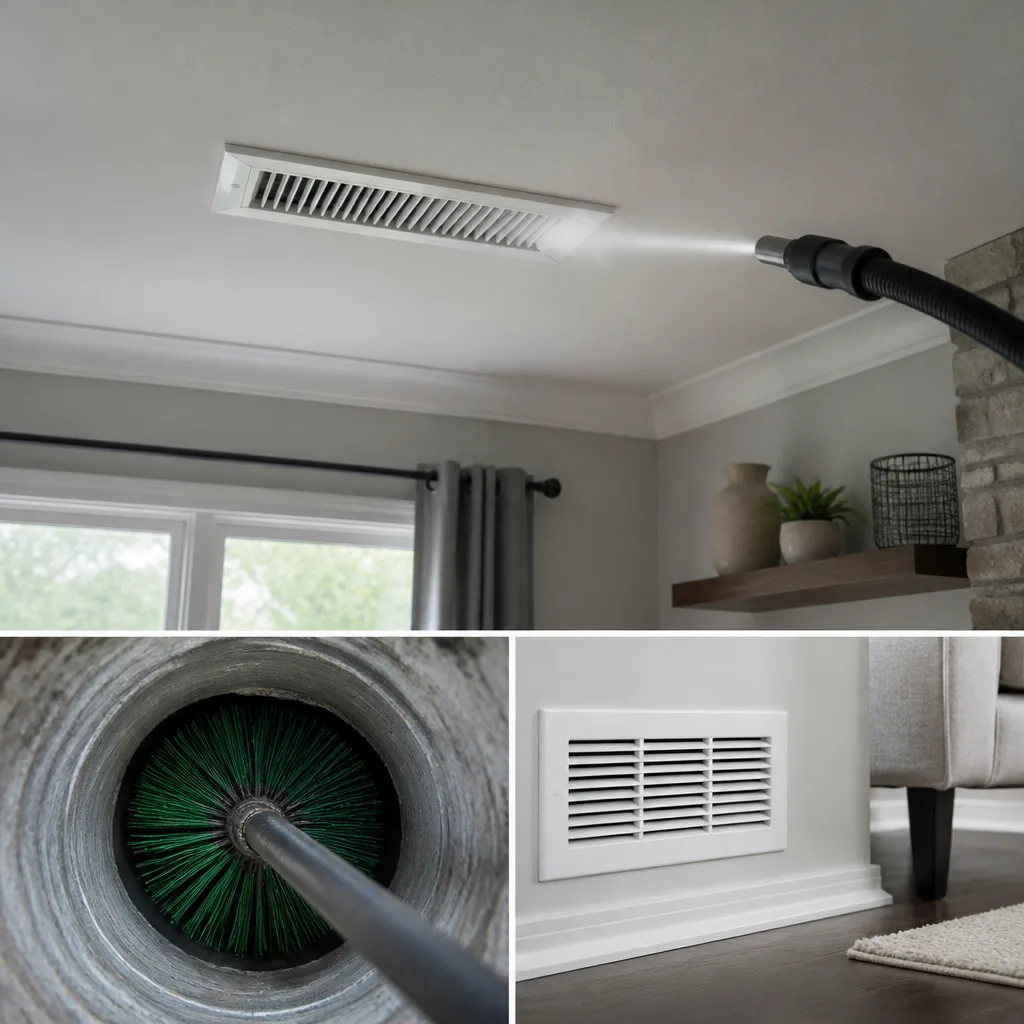 Sanitizing & deodorizing
Whole-system duct and dryer vent check with before-and-after photos - you see exactly what came out of your vents
That "$99 whole-house special" is a bait ad - the real number appears once they are in your hallway, or the "clean" is a shop-vac at the register. We photograph the inside of your ducts before and after instead.
Air Duct Cleaning Warning Signs: A Northglenn Homeowner’s Reference Guide
Visible dust on supply registers is almost never a sign that your ducts are dirty. Most of the time, it means your filter is doing its job and catching what the system pulls in. The real warning signs are quieter than that: uneven airflow between rooms, static that crackles when you touch a light switch, a musty smell that shows up only when the blower first kicks on. These are conditions you can observe yourself, and each one maps to something specific inside the system. This guide walks through what to look for in a Northglenn home, what each sign probably means, and when it’s worth a professional look rather than a guess.
Quick Answer
Dirty ducts usually announce themselves through airflow and smell, not visible dust. The strongest warning signs are uneven airflow between rooms, a musty or earthy odor that appears when the blower starts, allergy symptoms that track with HVAC runtime, dust rings around return grilles, and a condensate pan that won’t stay dry. If you see any of those, an inspection makes sense. If you also spot torn flex duct, pest evidence, or crumbling fiberglass liner, you’re past cleaning and into repair.
Styles & brands we work with
- Whole-home duct cleaning
- Dryer vent cleaning
- Camera inspection
- Sanitizing & deodorizing
Table of Contents
- Differential Airflow Between Rooms
- The Three Distinct Smells and What They Mean
- Allergy Symptoms That Track With HVAC Runtime
- Visual Inspection Points You Can Reach Without Tools
- Signs That Mean Something Beyond Cleaning
- Why Northglenn Homes Show These Signs
- A Simple Warning-Sign Checklist
- Common Mistakes to Avoid
Differential Airflow Between Rooms
Every room in a Northglenn house should get roughly the same supply air when every register is open. When one bedroom pushes a strong, cool stream and the room next door barely moves a tissue, that’s a signal. The most common culprits are a partially blocked branch duct, a collapsed run of flex duct, an undersized trunk, or a damper that’s been left mostly closed and forgotten. Airflow imbalance is one of the most reliable signs that air ducts need professional attention.
A rough check you can do with one hand
- Turn the system on and set the thermostat to a steady fan setting.
- Open every supply and return register in the house – you want a clean baseline.
- Hold one hand a few inches from each supply grille, one room at a time, and hold it there for ten seconds. You’re feeling for the difference, not the absolute force.
- Note which registers feel weak, which feel strong, and which feel like almost nothing.
- Repeat on a second floor if you have one, because upstairs runs are typically longer and show weakness first.
Why a proper reading needs an anemometer
Your hand can tell you that a room is weak. It cannot tell you why. A hand-held anemometer measures feet per minute at the grille face, which lets a technician compare rooms against one another and against what the duct size should deliver. That reading separates a legitimate design imbalance from a blockage or a collapsed run. If the reading comes back low and the duct should be carrying more air, a camera inspection down the branch usually finds the problem quickly. This is exactly where a whole-system air duct cleaning and inspection visit earns its weight, because the technician sees the inside of the line rather than guessing at it.
The Three Distinct Smells and What They Mean
Smell is the single most misread warning sign in ductwork. Homeowners often lump every odor into “dirty ducts,” but three very different problems present with three different smell profiles, and they call for three different responses. Getting the profile right matters because one of them is a safety issue.
1. The musty, earthy, wet-cardboard smell
This is the signature of microbial growth somewhere in the system, most often in the condensate pan, on a damp interior of the air handler, or inside insulated duct liner that stayed wet after a slow leak. It tends to be strongest in the first minute or two after the blower starts, then fades as the air keeps moving. If that timing fits what you notice, it’s worth taking seriously.
2. The flat, dusty, slightly oily smell
A dirty filter or a lightly soiled blower wheel produces a dull, consistent smell that doesn’t spike at startup. It’s the “stale house” smell. This one is usually fixable with filter changes and a proper cleaning of the blower compartment.
3. The sharp, slightly gassy or exhaust-like smell
This is the dangerous profile. It suggests combustion byproducts entering the airstream, which means a backdrafting flue, a cracked heat exchanger, or a poorly sealed return near a gas appliance. Do not treat this as a cleaning issue. Shut the system down, ventilate the house, and call a licensed HVAC contractor before running the system again. Our service scope covers ducts, dryer vents, HVAC cleaning, and air quality – gas combustion diagnosis belongs with a licensed technician, and no one should be guessing at it.
How to tell them apart in ten minutes
- Smell only at startup? Suspect microbial growth or a damp pan.
- Constant smell that improves briefly after a filter change? Suspect a spent filter or dusty blower.
- Sharp or chemical smell with any headache or nausea? Stop, ventilate, and call for service.
Allergy Symptoms That Track With HVAC Runtime
Allergy season in Northglenn brings a wave of pollen from the Front Range, and most people assume that’s the whole story. There’s a better question: do your symptoms follow the outdoor pollen count, or do they follow your heating and cooling cycles? If your sinuses clear when you leave the house and flare within an hour of the system kicking on, the likely source is inside the ductwork rather than outside the window.
What “tracking with runtime” looks like
People who notice this pattern usually describe the same shape to us. They wake up congested, feel fine after an hour outside, come home, and are congested again by evening. Or a child with no known outdoor allergies gets worse only in their bedroom. That specificity points at contamination – dust mites colonizing the register face, mold spores growing on a damp liner, pet dander that has been pulled into the return and is now being redistributed every cycle.
Why this is worth separating from ambient allergens
Ambient allergens are seasonal. Duct-borne allergens follow your thermostat. When a homeowner tells us their symptoms are worse on high-fan days but better when they’ve been out of the house for hours, that pattern alone justifies an inspection. It’s also a reason a whole-family approach works: the same filtration and cleaning that helps one sensitive person helps everyone sharing the airstream. That’s the thinking behind pairing cleaning with the Aprilaire and Honeywell filtration and system integration we install – you reduce what gets pulled in, not just what’s already sitting in the duct.
Visual Inspection Points You Can Reach Without Tools
You don’t need a probe camera to find real evidence. Four surface points tell you a lot about what’s happening inside the system. All four are reachable in a couple of minutes and none of them require opening the equipment.
1. Return grille debris rings
Pull a return grille cover and look at the frame. A thin, even film is normal. A dark ring of dust and lint stuck to the inside edge of the grille face, with a clean spot in the center where the air rushes through, is a strong sign the return is pulling material into the system and not catching it early enough.
2. Blower compartment dust cake
Open the air handler access panel (power off at the breaker first). A light film of dust is expected. A visible caked layer on the blower wheel blades or the compartment walls means the dust load is higher than the filter can manage, and some of it is being sent downstream into the ductwork. The wheel itself is the tell: blades with visible ridges of dust reduce airflow and throw the balance off.
3. Condensate drain pan
Look at the pan under the evaporator coil. It should be dry or hold a shallow, clear layer of water. Standing water with a biofilm sheen, a musty smell when you lean in, or rust on the seams means the drain isn’t clearing. That moisture source feeds microbial growth that gets pulled straight into the supply air.
4. Supply register diffuser faces
Light dust on the face is normal and usually just means the filter is doing its job. Heavy streaks pointing in one direction, or dust caked into the vanes, is not normal. That pattern tends to show up where a supply branch is short and turbulent, which is also where airflow is often imbalanced.
Signs That Mean Something Beyond Cleaning
Some warning signs mean the system needs repair, not a cleaning. If you catch these early, you save yourself an expensive second visit. If you miss them, a fresh cleaning gets undone by a leak within weeks.
Duct leakage
The signs are predictable. Rooms closest to the air handler feel over-pressurized and rooms on the far end feel starved. You may see dust trails at a joint or joint tape that has peeled at a seam. Attic runs sometimes show condensation where a joint leaks cold air in summer. Leakage can waste a serious share of the conditioned air before it ever reaches a room, which is why sealing and repair have to happen alongside cleaning. That’s the reason our own work covers duct repair and sealing as part of the same visit rather than pushing it off onto another contractor.
Pest intrusion
Droppings inside a register boot, shredded insulation at a duct end, or a strong, sharp odor that appears only after the system starts. This is not a cleaning problem. It’s a wildlife problem, and it needs exclusion work first. Cleaning a duct run that still has an open entry will just repeat itself.
Fiberglass liner degradation
Older duct liner in a Northglenn home can degrade over time, and once the fiberglass matting starts shedding into the airstream, cleaning alone will not fix it. The tell is reddish-brown or black particles on the inside of a register boot, or a rough, fuzzy surface visible just inside the grille opening. That calls for liner replacement or duct replacement before any further cleaning. Fiberglass fibers are not something to pull into the living space, and no responsible contractor will treat this as a routine cleaning job.
Why Northglenn Homes Show These Signs
Northglenn’s housing stock and climate create a specific pattern of duct problems. The city grew quickly from the 1960s into the 1980s and 1990s, and a lot of the homes we see in neighborhoods like Malley Heights, Northglenn Estates, and the older pockets near Webster Lake date from the early middle of that range. Builder-grade flex duct from that era has typically been through several rounds of thermal cycling, and some of it is at the end of its service life.
The bigger factor is the climate. Northglenn sits in the Colorado Front Range, where winter air is dry and cold, summer air is hot and dry, and static electricity builds up inside the ductwork more than in humid climates. Static causes dust to cling to duct walls and register faces rather than moving through the filter. That’s why so many homeowners here notice the “static shocks when I touch a light switch in the winter” complaint alongside weak airflow and allergies. It’s a local pattern, not a universal one, and it’s part of why the visible dust you do see here is often filter behavior, not duct dirt.
Northglenn’s winter cold snaps also push systems hard, and any weak joint in the attic or crawlspace shows up as a cold room first. In summer, the air-conditioning side matters more: the coil runs wet, the drain pan sits in a warm attic, and the pan becomes a growth site if the drain line clogs. If you want the deeper background on the full system, the Northglenn Air Duct Cleaning overview is a sensible place to start. The pattern for the whole system is a simple one: control the moisture, control the dust load at the filter, keep the ducts sealed, and the signs above rarely have a chance to develop.
A Simple Warning-Sign Checklist
Run through these once a season. If three or more land in the “yes” column, it’s worth a professional inspection rather than another filter change.
- One or more rooms noticeably weaker than the others when every register is open.
- A musty smell that appears only when the blower starts.
- Allergy symptoms that flare within an hour of system runtime, not outdoor exposure.
- A dark debris ring at a return grille face.
- Visible caked dust on the blower wheel.
- Standing water, biofilm, or a musty odor in the condensate pan.
- Dust streaks on the diffuser vanes at a supply register.
- Dust trails at a joint in the attic or crawlspace.
- Sharp or exhaust-like smell anywhere in the house when the system runs.
Common Mistakes to Avoid
- Assuming register dust means dirty ducts. It usually means your filter is working. Look at the return frame and the blower wheel first – those are the honest indicators.
- Treating every smell as the same problem. Musty, dusty, and sharp smells are three distinct signals, and one of them is a combustion safety issue. Don’t bundle them.
- Skipping the filter change because you’re planning a cleaning. The filter controls the load going into the system every day. Change it on the manufacturer’s schedule regardless of what a duct cleaning will do later.
- Cleaning a system that needs sealing first. A cleaning on leaky ducts just leaks again. In Northglenn attics, joint tape failure and crimped joints are common enough that we check for them every visit.
- Letting a condensate pan stay wet. The pan is the most common growth site in the system. If it holds water that doesn’t drain, the musty smell comes back even after cleaning.
- Assuming a strong-smelling “duct freshener” is a fix. Fragrance masks the smell profile you need to diagnose. It doesn’t remove the growth.
- Ignoring pest evidence. Droppings or shredded insulation mean an open entry. Cleaning before exclusion is money spent twice.
When to Call a Professional
Call when you’ve identified two or more signs on the checklist, and call sooner if the smell profile is sharp or the airflow drop happened suddenly. Call right away if the condensate pan won’t stay dry, if the blower wheel is visibly caked, or if you see particles shedding from the duct liner. Those are conditions that cleaning alone either can’t fix or will just re-expose. Northglenn Air Duct Cleaning offers free estimates in Northglenn – call (855) 726-7093. We answer 24/7. Fast dispatch from 7am to 7pm, Sunday through Friday.
See the difference
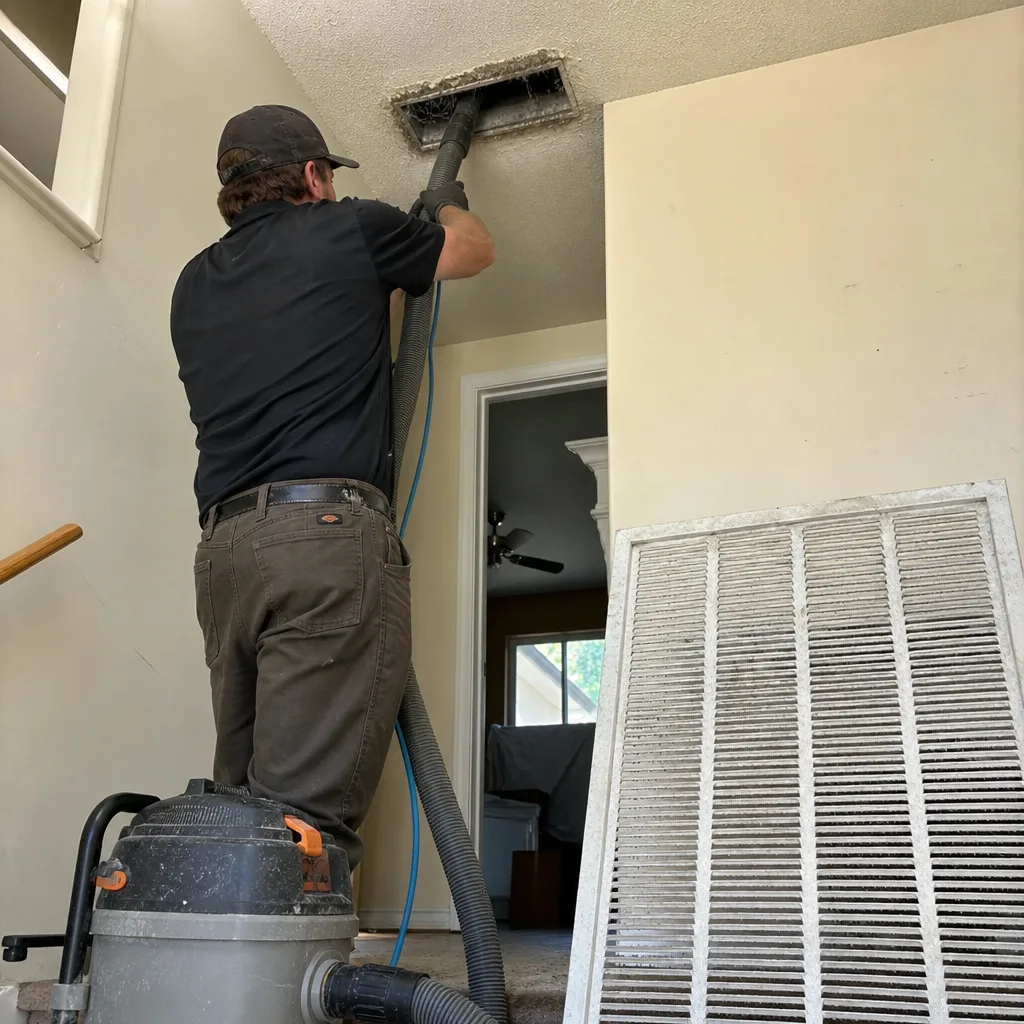 Before
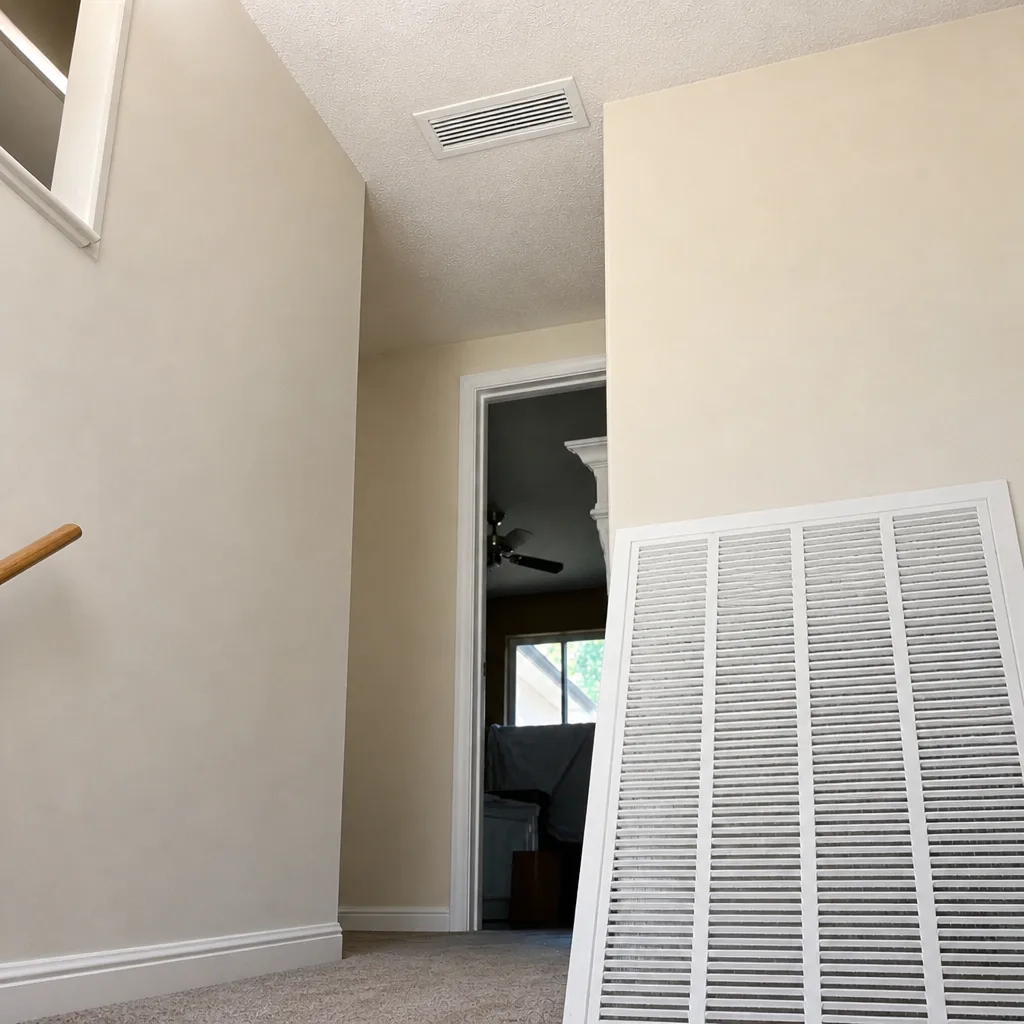 After
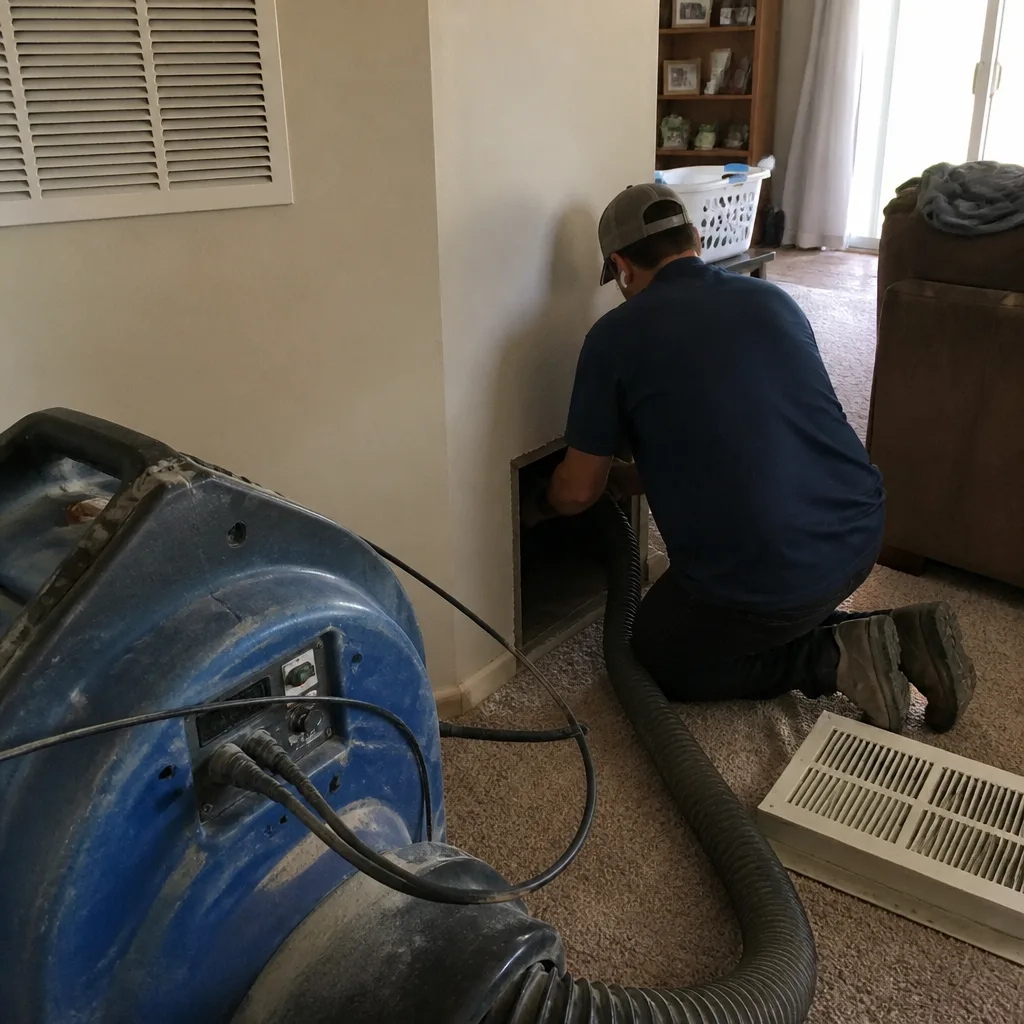 Before
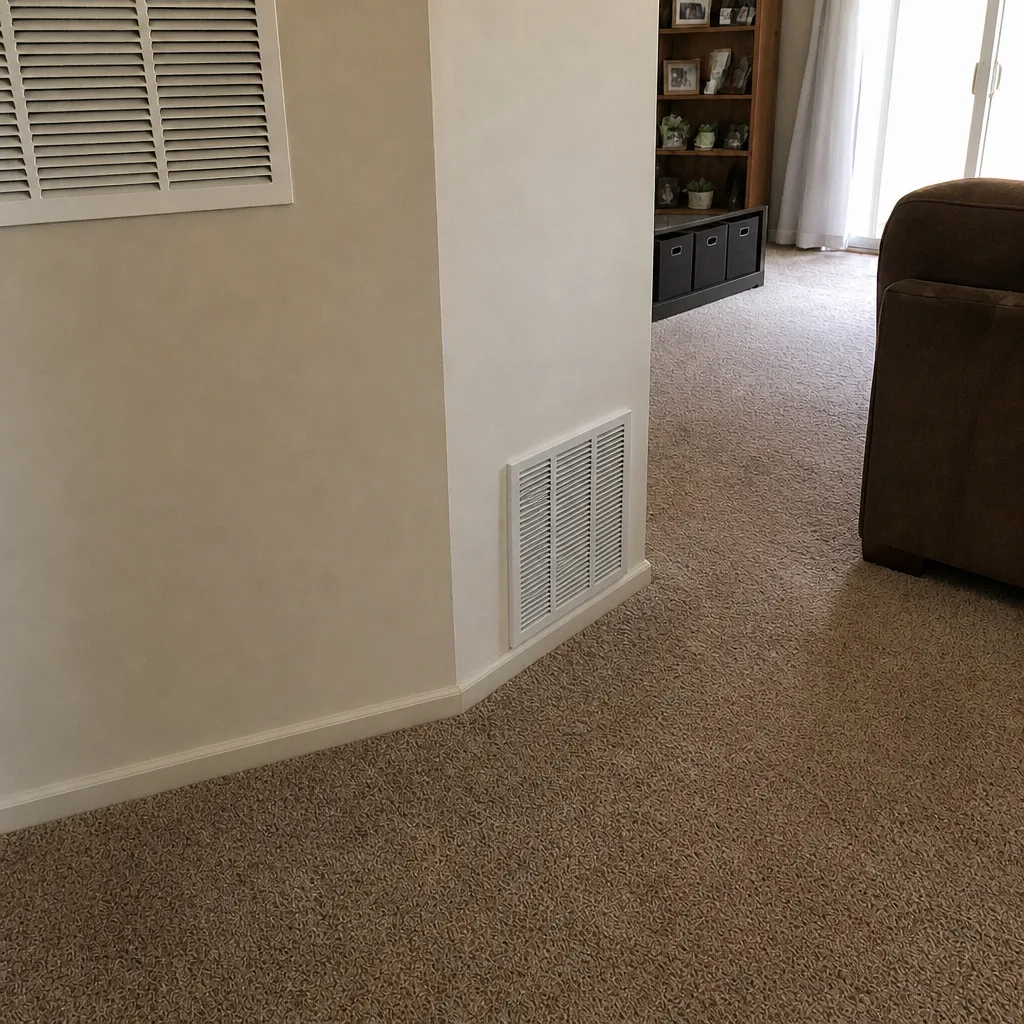 After
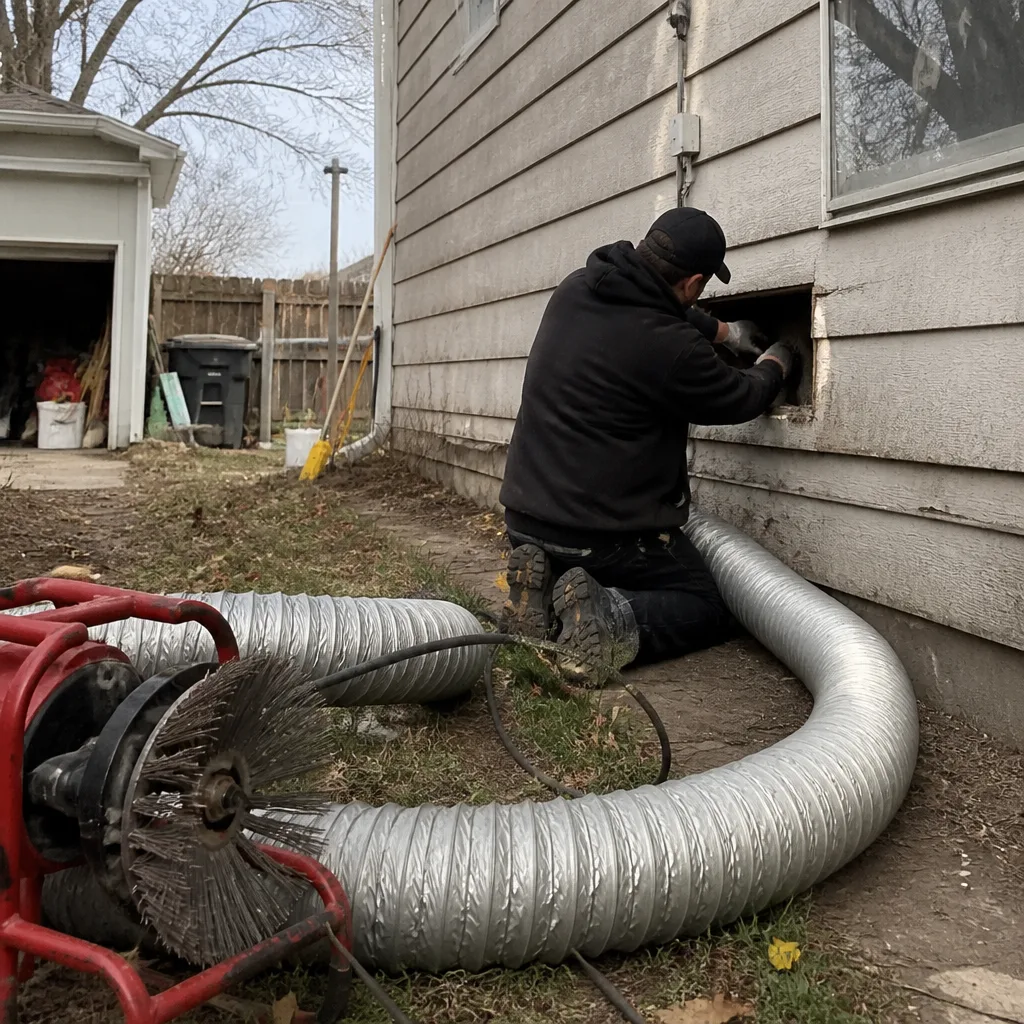 Before
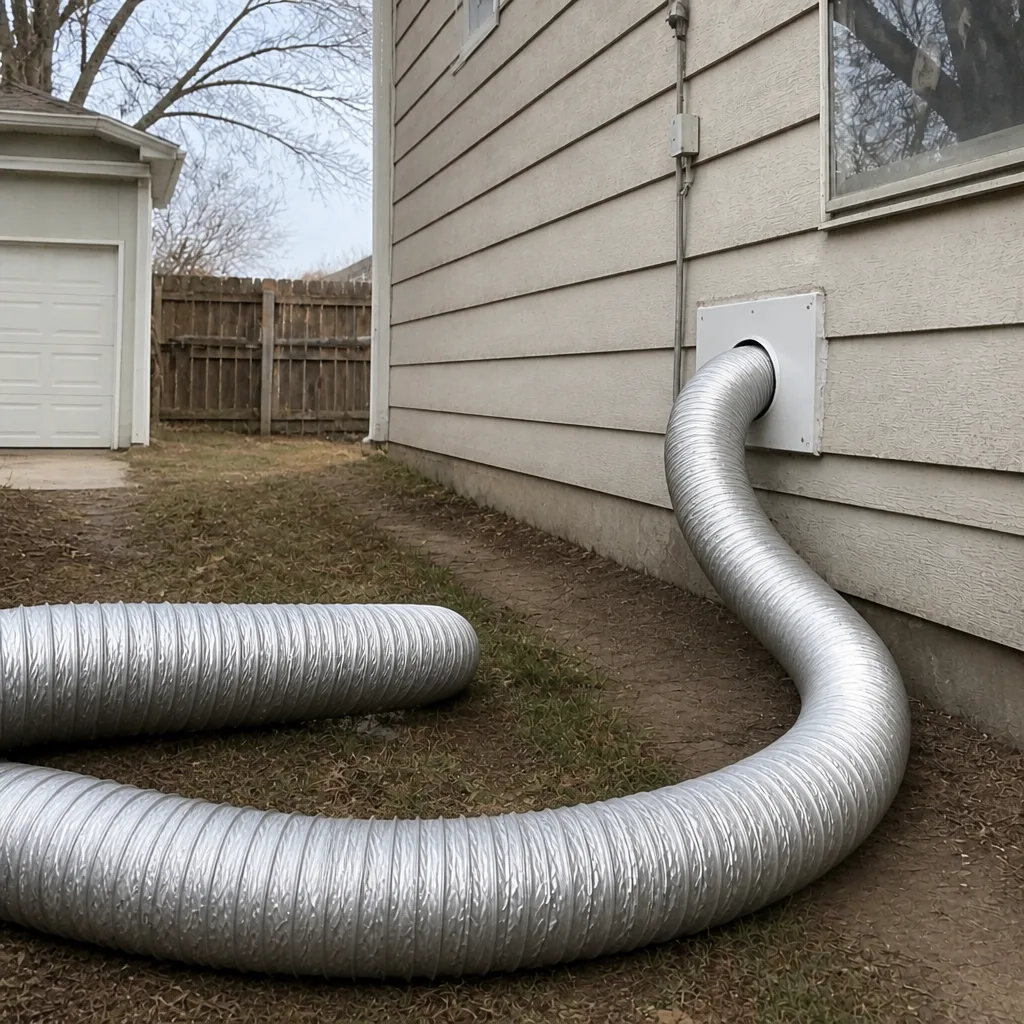 After
Frequently Asked Questions
The strongest indicators are uneven airflow between rooms, a musty smell that appears only when the blower starts, and allergy symptoms that track with HVAC runtime rather than outdoor pollen. Visible dust on a supply register is usually filter behavior, not a duct problem. If two or more of those indicators are present, an inspection is worth the time. Call (855) 726-7093 for an exact quote – estimates are free.
A room that stays cold or warm while the rest of the house is comfortable almost always has a partial blockage, a collapsed flex duct run, or a branch that was undersized from the start. Northglenn’s older homes often have long, crimped runs to upstairs bedrooms, which are the first to lose air. A hand check at each register shows the imbalance; an anemometer reading and a camera inspection find the cause. Call (855) 726-7093 for an exact quote – estimates are free.
A musty smell that appears in the first minute or two of blower operation points to microbial growth somewhere in the system, most often the condensate pan, a damp air handler interior, or wet duct liner. It’s a different profile from a sharp or exhaust-like smell, which can indicate combustion byproducts and needs a licensed HVAC technician immediately. Call (855) 726-7093 for an exact quote – estimates are free.
Yes. When symptoms are worse at home and improve after an hour outside, the trigger is more likely inside the airstream than in outdoor pollen. Duct-borne allergens follow your thermostat, not the pollen count. Cleaning plus proper filtration is the standard response, and Aprilaire and Honeywell systems integrate well with that approach for long-term control. Call (855) 726-7093 for an exact quote – estimates are free.
Northglenn’s winter air is dry, and static builds up in the ductwork and register faces during the heating season. Static causes dust to cling to surfaces inside the system rather than moving through the filter, which is part of why visible dust here is often a filter sign rather than a duct-dirt sign. A whole-home humidifier or a properly sealed and cleaned system reduces the buildup over time. Call (855) 726-7093 for an exact quote – estimates are free.
No. Cleaning fixes the contamination, but a leaking joint, a pest entry, or degraded fiberglass liner will re-contaminate the system. Leakage, pest evidence, and liner damage each require repair or replacement before cleaning makes sense. Our duct repair and sealing work covers the sealing side of that, and liner replacement is a separate scope we’d identify for you. Call (855) 726-7093 for an exact quote – estimates are free.
The Bottom Line
Visible dust on your registers is usually good news about your filter, not bad news about your ducts. The warning signs that actually matter are the ones you have to look for: uneven airflow between rooms, a musty smell that appears only when the blower starts, allergy symptoms that follow your thermostat, dust rings on the return, and a condensate pan that won’t stay dry. In Northglenn’s dry, cold winters and warm summers, those signs develop in a predictable pattern, and each one points at a specific cause inside the system. Knowing the difference prevents both under-reaction and unnecessary service calls.
Other Services Worth Knowing
Air ducts don’t fail in isolation. Two other systems in the typical Northglenn home share the same air handler and the same risks, and if either is due for attention, addressing them in the same visit is often the sensible call. dryer vent cleaning is one of the most overlooked safety items in a home, because lint buildup in the vent is a known fire hazard and the signs (long drying cycles, a hot dryer cabinet, a lazy exhaust at the exterior vent) are easy to miss. Likewise, HVAC cleaning goes after the components behind the ductwork – the coil, the blower, the drain pan, the cabinet interior – which is where a lot of the dust and moisture problems actually start. Clean air starts at the source, and for most homes that source is the air handler, not the ducts.
Our team works with Rotobrush and Nikro systems, the same professional-grade equipment used by commercial contractors, and Abatement Technologies equipment for containment and air filtration during service. Guardsman-brand treatment products round out the sanitizing side where appropriate. Our technicians have up to 10 years of experience across the full scope of cleaning, repair, sealing, and sanitizing. If you’re not sure which of these services your home actually needs, that’s the conversation the inspection is for.
Call (855) 726-7093 for a free estimate. We answer 24/7. Fast dispatch from 7am to 7pm, Sunday through Friday. Closed Saturday.
Written by the team at Northglenn Air Duct Cleaning.
What happens when you call
- 1
A real person answersNo phone trees – you reach a local pro.
- 2
You get an upfront price rangeHonest numbers before anyone is dispatched.
- 3
A background-checked tech heads outLicensed & insured, dispatched right away.
- 4
You approve before work beginsNothing starts until you say go.