
Last updated November 25, 2026
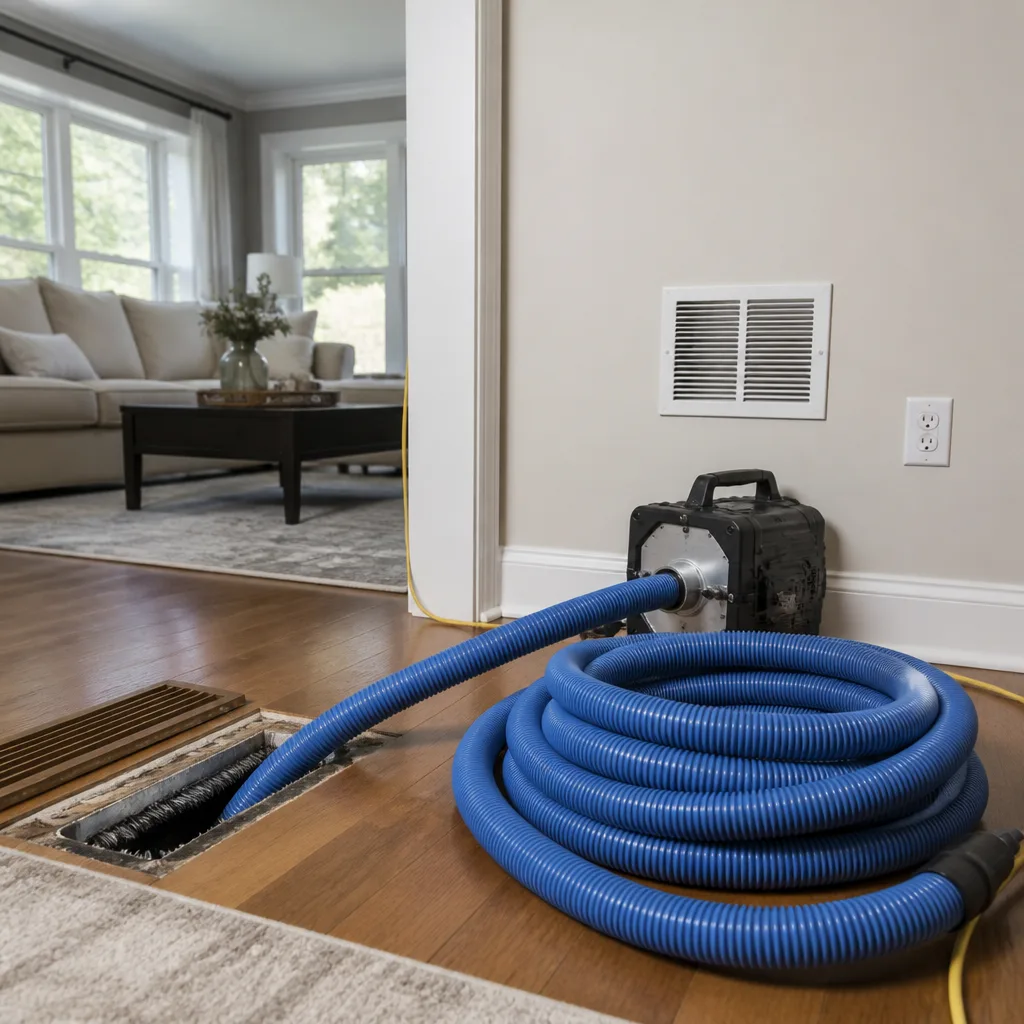 Whole-home duct cleaning
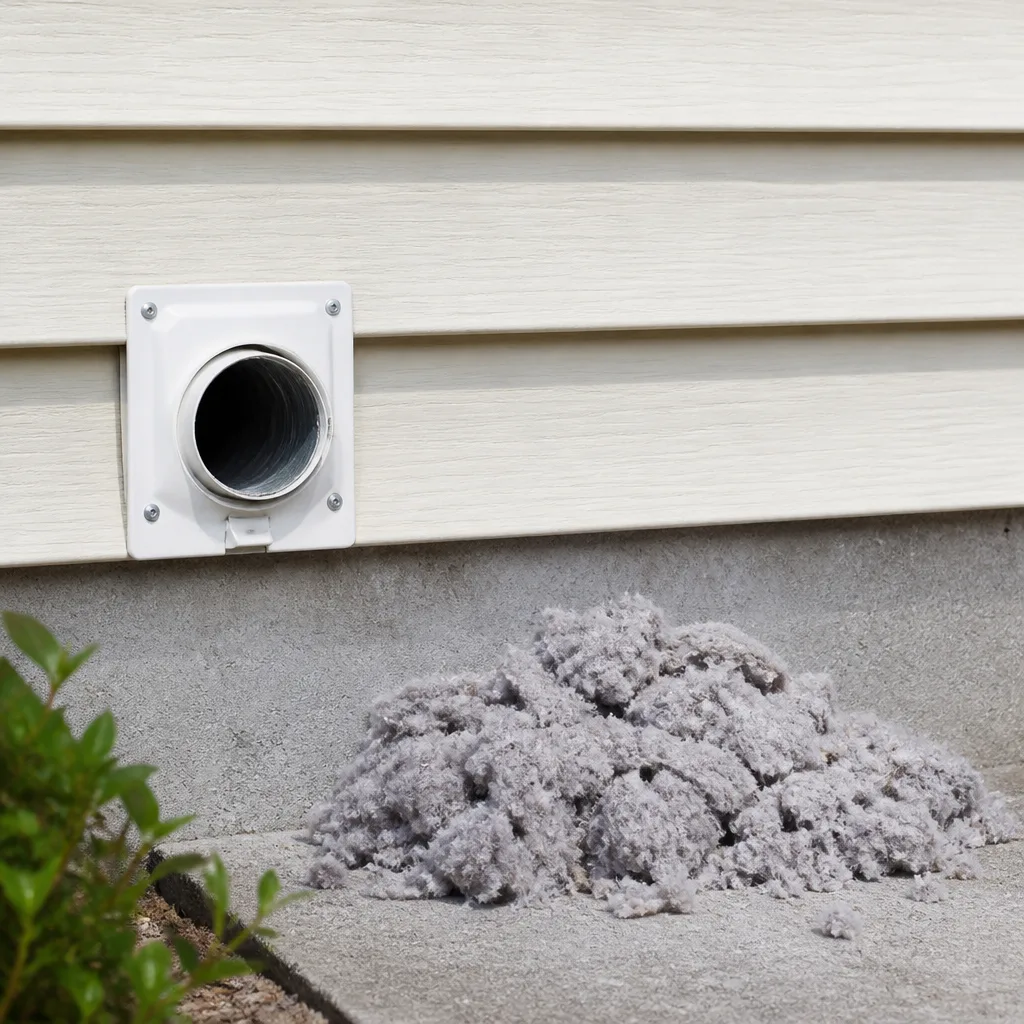 Dryer vent cleaning
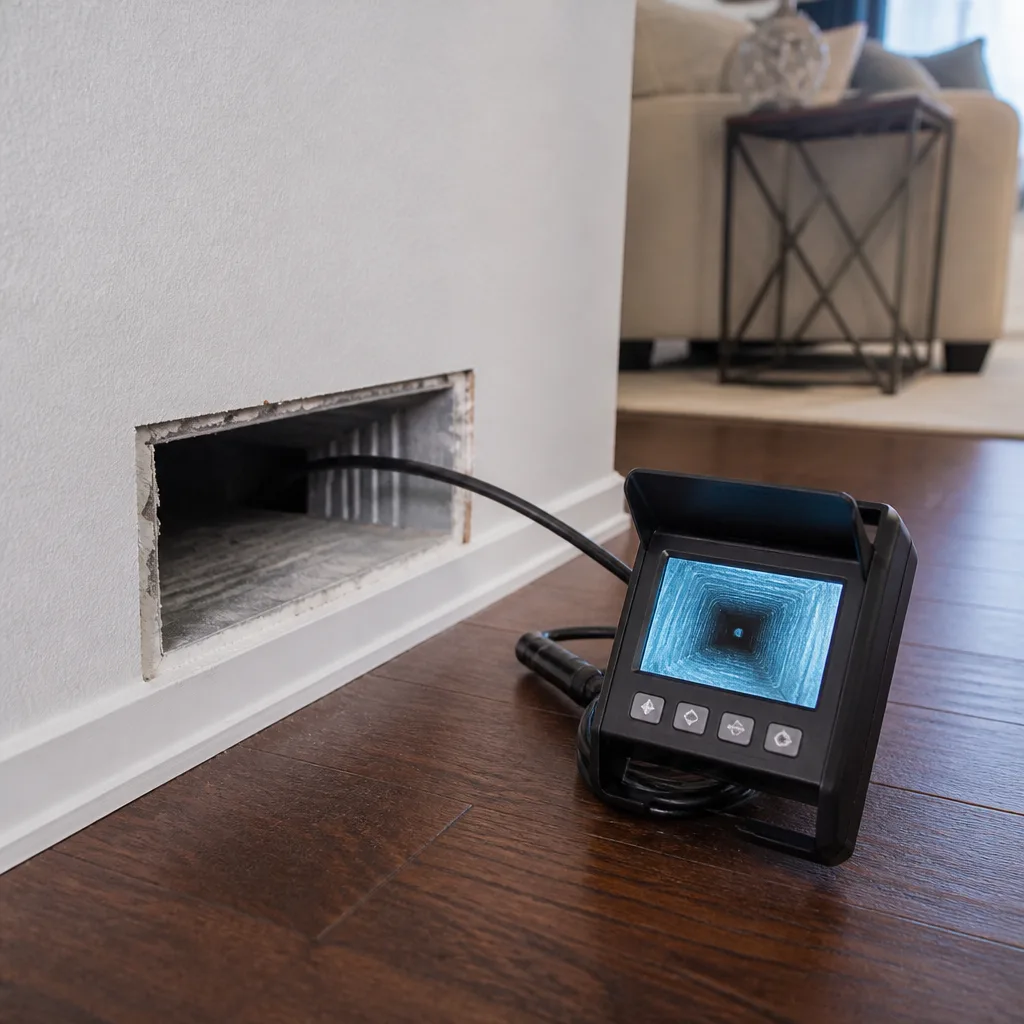 Camera inspection
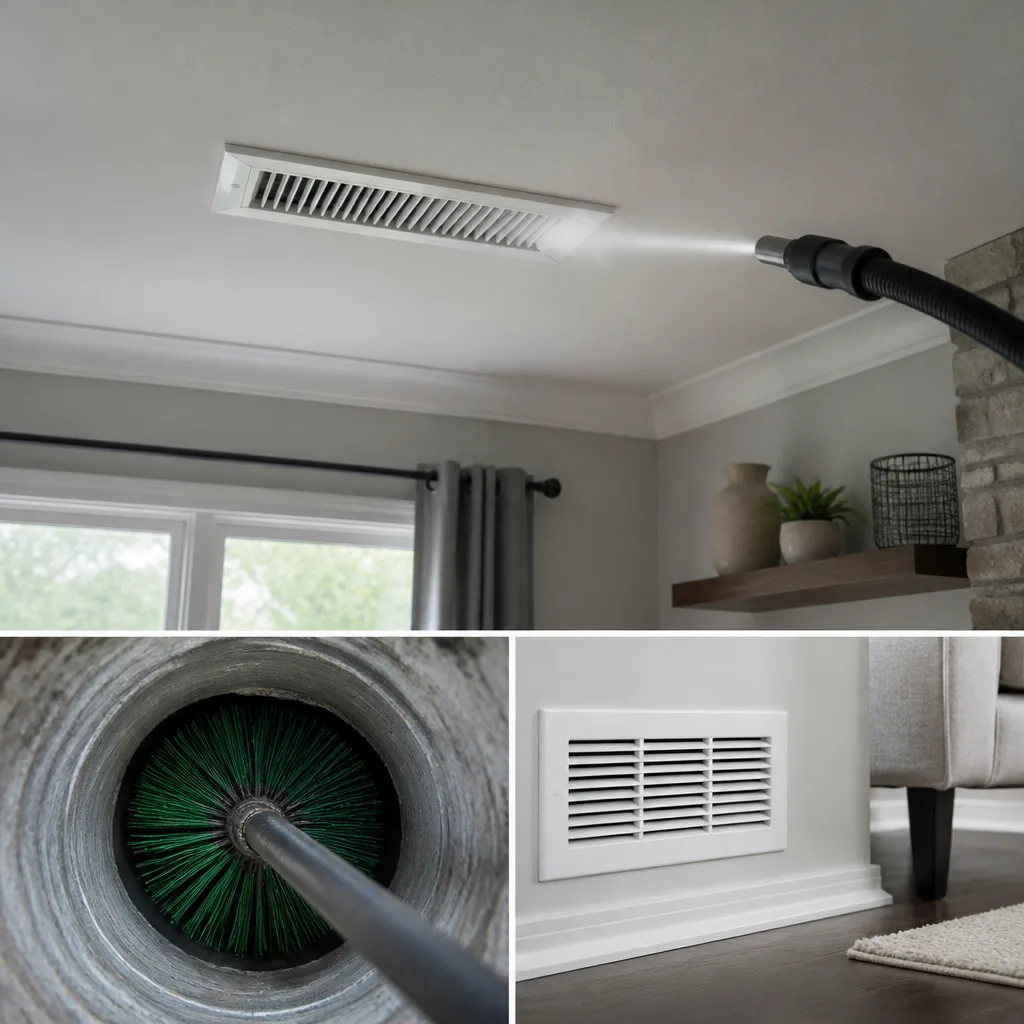 Sanitizing & deodorizing
Whole-system duct and dryer vent check with before-and-after photos - you see exactly what came out of your vents
That "$99 whole-house special" is a bait ad - the real number appears once they are in your hallway, or the "clean" is a shop-vac at the register. We photograph the inside of your ducts before and after instead.
Air Duct Cleaning Permits, Codes & Inspections in Northglenn, CO: What You Need to Know
If a technician cuts an access panel into your sheet metal plenum, installs a new flex duct section, or applies an EPA-registered encapsulant inside your system, those aren’t cleaning tasks – they’re mechanical work, and Colorado has rules about who can legally perform them. Most homeowners in Northglenn assume “duct cleaning” is one thing, a truck shows up, a wand goes in, dust comes out. In practice, the line between cleaning and mechanical modification gets crossed all the time by operators who never pull a permit, and it’s the homeowner who absorbs the consequences at resale or in an insurance claim. This guide lays out exactly where that line sits under Colorado code, what Adams County requires, and the questions to ask before anyone touches your ductwork.
Quick Answer
Routine air duct cleaning itself does not require a permit in Northglenn or anywhere in Adams County. Cutting new access panels, replacing or extending flex duct, modifying a plenum, or altering duct sizing is mechanical work that falls under the 2021 International Mechanical Code as adopted locally, and a licensed mechanical contractor must pull the permit and perform it. Mold remediation inside an HVAC system is a separate category with its own state guidance from the Colorado Department of Public Health and Environment, and it’s rarely covered by a standard duct cleaning scope.
Styles & brands we work with
- Whole-home duct cleaning
- Dryer vent cleaning
- Camera inspection
- Sanitizing & deodorizing
Table of Contents
- Where does cleaning end and permitted mechanical work begin?
- What does Colorado’s mechanical code actually require for duct work?
- Which duct-related tasks need a permit in Adams County?
- Why is mold remediation inside HVAC a separate regulatory category?
- What should you confirm before any duct modification begins?
- How does unpermitted duct work affect insurance and home sales?
- What does a legitimate duct inspection include?
- What’s specific to Northglenn homes and climate?
Where Does Cleaning End and Permitted Mechanical Work Begin?
The dividing line is physical alteration of the air distribution system. Cleaning removes accumulated debris from surfaces that already exist. Repair and modification change the system itself – its geometry, its connections, its air-sealing envelope. Colorado regulators treat those two activities very differently, and a company that counts itself qualified for one isn’t automatically qualified for the other.
Here’s how the two categories break down in practice:
- Cleaning (no permit): source removal of dust, debris, and biological growth from duct interiors, registers, grilles, and the air handler cabinet using negative-pressure equipment and agitation tools.
- Repair and modification (permit and license territory): cutting new access openings, replacing damaged flex or rigid duct runs, reconnecting disconnected joints, resizing or rerouting branches, installing new boots or plenum penetrations.
- Sanitizing and encapsulating (no permit, but product regulation applies): applying EPA-registered antimicrobials or coatings inside duct interiors. This is not a structural change, but the chemicals themselves are regulated, which is why professional-grade product lines like Guardsman exist in this trade.
We’ve watched this distinction get blurred constantly in the Northglenn market. A crew shows up to clean, notices a collapsed flex run in the attic, and “fixes” it on the spot. No permit, no licensed mechanical contractor, no inspection. Sometimes it works out. Often it doesn’t, and the failure surfaces years later. That’s why we separate the two scopes in writing before work starts, and why the repair side of the job goes to licensed mechanical professionals.
What Does Colorado’s Mechanical Code Actually Require for Duct Work?
Colorado doesn’t run a single statewide mechanical code regime. The state adopts a model code, and each jurisdiction – Adams County included – selects and enforces its own version. In Northglenn and the surrounding Adams County area, the operative framework is the 2021 International Mechanical Code as adopted and amended locally. That code defines duct systems as mechanical systems subject to permitting, inspection, and installation standards.
The relevant threads for a homeowner:
- Permits: Altering, replacing, or adding to a duct system is typically permit-triggering work under the IMC. Straight cleaning is not listed.
- Licensing: The permit holder must be a licensed mechanical contractor in the jurisdiction where the work happens. A cleaning company with no mechanical license can’t legally pull that permit.
- Inspection: Permitted mechanical work gets inspected before it’s closed up. That inspection is the homeowner’s evidence the work meets code.
- Materials and sealing: The IMC sets standards for duct material class, joint sealing, and support spacing. A quick fix that skips those standards can be a code violation even if it looks fine.
Here’s the piece most Northglenn homeowners don’t hear: the code distinguishes between a repair that restores original function and a modification that changes the system, but both usually land in the permit category. Resizing a branch duct from 6-inch to 8-inch because a room never heated properly is a modification. Reconnecting a boot that pulled loose is a repair. Both are mechanical. Neither is cleaning.
If you want to confirm the requirement for your specific address, call the City of Northglenn’s building department or Adams County directly. Requirements can shift with local amendments, and the building department is the authority, not a contractor’s opinion.
Which Duct-Related Tasks Need a Permit in Adams County?
Here’s the practical list we walk Northglenn homeowners through before scoping any job that goes beyond surface cleaning:
- Cutting a new access panel in the plenum or trunk line. This creates a new opening in sheet metal – a mechanical alteration. Permit required, licensed mechanical contractor required.
- Replacing a length of flex duct. Removing and installing duct is system modification. Permit territory.
- Reconnecting a disconnected duct joint. If it’s a simple mechanical fastening of an existing joint that never required alteration, some jurisdictions treat it as repair-only. Confirm with the city before assuming.
- Resizing or rerouting a duct branch. Changing system capacity or airflow balance – permit required.
- Installing a new boot, register box, or return grille where none existed. That’s adding to the system. Permit.
- Adding a whole-house filtration or humidification component tied into the ductwork. Integration with a Honeywell or Aprilaire system involves ductwork modification. Permit required.
- Cutting and sealing house wrap or structural sheathing to run a new duct through a wall. Once structural or thermal envelope penetrations happen, other code requirements can apply.
What does not need a permit: standard cleaning of existing ducts, register and grille removal and reinstallation for cleaning access, and surface sanitizing with an EPA-registered product inside the existing duct interior.
We should be clear about our role here: Northglenn Air Duct Cleaning performs the cleaning and sanitizing work, and when a repair is needed we can help arrange it with a licensed mechanical professional who handles the permit and inspection. That’s how the scope splits in this trade, and anyone who tells you otherwise is cutting a corner you’ll pay for eventually.
Why Is Mold Remediation Inside HVAC a Separate Regulatory Category?
Duct cleaning and mold remediation are not the same service, even when they happen inside the same ductwork. Colorado treats mold remediation under separate state guidance from the Colorado Department of Public Health and Environment, and that guidance touches working practices, containment, and cleaning verification – not just “vacuum it out and spray something.”
The core distinction: cleaning removes soil and biological growth that’s incidental to normal dust accumulation. Remediation addresses a mold problem tied to moisture – a failing condensate line, an under-insulated duct run sweating in an attic, or a humidifier feeding moisture into the system. If the moisture source isn’t fixed, remediation is theatre.
What the CDPHE guidance generally steers toward:
- Identify and correct the moisture source first. No remediation is complete without it.
- Contain the work area to prevent cross-contamination of the home.
- Use negative pressure and HEPA filtration during removal.
- Verify cleaning is complete before reassembling the system.
- Document conditions before and after.
This is where equipment matters. Abatement Technologies negative air machines and HEPA filtration units are the class of equipment the remediation work actually requires, and they signal a company prepared to contain contamination rather than blow it around. A shop-vac and a spray bottle won’t meet the standard. We use Abatement units on remediation-adjacent jobs precisely because contain-and-filter is the only responsible approach when biological growth is involved.
For Northglenn homeowners specifically: the Front Range’s dry air doesn’t eliminate duct moisture problems. It changes where they come from. Evaporative cooler duct runs, unsealed attic penetrations, and long cooling cycles that keep coils wet all create condensation points inside duct systems. If you’re seeing musty odors at the registers when the system kicks on, that’s a moisture signal, not a dust signal, and it deserves a different response.
What Should You Confirm Before Any Duct Modification Begins?
This is the pre-work checklist. Ask these questions before anyone touches the ductwork, not after:
- Is a permit required for this specific task, and who is pulling it? If the answer is “it doesn’t need one,” ask them to confirm that with the City of Northglenn building department – in writing.
- Is the person performing the mechanical work a licensed mechanical contractor in Adams County? Ask for the license, confirm it with the jurisdiction, and get the license number on the estimate.
- Is the company insured and bonded as their state requires? Verify with the carrier if you want real confirmation – the certificate alone doesn’t prove the policy is active.
- What is the exact scope, in writing? Cleaning, repair, sealing, sanitizing, and any product application each get their own line. Vague scopes are how bait-and-switch pricing works.
- What equipment will be used? Professional-grade duct cleaning happens with systems like Rotobrush and Nikro for source removal inside the duct, and containment equipment during the job. If the answer is “a big vacuum,” that’s a spot treatment, not whole-system cleaning.
- Will the completed work be inspected? Permitted mechanical work gets inspected. That inspection is your proof of code compliance.
- Will we get before-and-after photos of our own system? If it wasn’t photographed, assume it didn’t happen.
We answer these questions for free, in a written estimate, before we schedule anything. One flat price per system agreed before work starts, no per-vent pricing, and before-and-after photos delivered as part of every job. That’s the standard we hold ourselves to, because that’s what it takes to actually prove the work was done.
How Does Unpermitted Duct Work Affect Insurance and Home Sales?
Two places unpermitted duct work bites a homeowner: an insurance claim and a home sale inspection. Both are slow-motion, meaning you don’t find out there’s a problem until it’s expensive.
Insurance. A standard homeowner’s policy covers sudden accidental damage and may exclude damage caused by faulty workmanship or code violations. If a failed duct connection contributes to water damage, a fire (dryer vent ducting is a common culprit, which is why dryer vent cleaning deserves its own attention), or a mold claim, the insurer can investigate whether the underlying work was permitted and inspected. Unpermitted alterations can complicate or void portions of the claim.
Home sales. A Colorado home sale inspection and disclosure process includes mechanical work. If a buyer’s inspector finds a non-code duct modification – a flex run taped with the wrong material, a plenum opening cut without a proper access collar, duct transitions with the wrong class of flex – it becomes a negotiation point. Sometimes it becomes a deal killer. Buyers and their agents are increasingly calling this out in Northglenn because it’s an easy item to flag.
Documentation is the difference. A permitted, inspected duct repair has a paper trail. Unpermitted work has nothing, which leaves the homeowner to argue from a defensive position years after the fact. Keeping the estimate, the permit record, and the photos is the single best way to protect the value of the work.
We can work with your insurer on the cleanup side if a covered loss has affected the ducts. What we can’t do is retroactively permit someone else’s shortcut.
What Does a Legitimate Duct Inspection Include?
“Inspection” gets used loosely. Here’s the difference between an inspection and a sales call, and what you should walk away with when the work is done right:
Before cleaning:
- Visual inspection of accessible duct interiors with a camera, not just a flashlight glanced into a register.
- Access point identification – where cleaning tools can enter the system, and whether existing access panels are adequate.
- Condition assessment: leaking joints, disconnected runs, damaged flex, evidence of moisture or biological growth.
- A written scope and flat price per system, agreed before work.
During cleaning:
- Negative pressure containment so loosened debris doesn’t recirculate into the home.
- Source-removal agitation with a rotary brush or air-whip system (Rotobrush and Nikro equipment are the professional-grade tools for this).
- HVAC component cleaning – the air handler cabinet, evaporator coil surface, and blower wheel, which is often the actual source of the “duct smell.” That’s why we treat HVAC cleaning as a separate service that supports the whole-system result.
After cleaning:
- Before-and-after photos of the system you own, delivered to you.
- If any sealing was done, documentation of the specific joints sealed and the material used. Remember that major sealing work on a system with loose joints is where duct repair and sealing needs to happen alongside cleaning – otherwise the results don’t hold.
- Any defects found documented for follow-up. If the defect is a code-level repair, it goes to a licensed mechanical contractor.
What’s Specific to Northglenn Homes and Climate?
Northglenn isn’t a uniform housing stock. The city spans ranch-style mid-century homes, newer construction in the north and east, and townhome and multi-family properties throughout. Each of those has a different duct profile, and each interacts with the Front Range climate differently.
Older ranch homes in Northglenn commonly have sheet metal trunk-and-branch systems with long runs through unconditioned space. Attic duct runs in this climate see significant temperature swings – hot summer attic air, cold winter attic air – which drives condensation and thermal fatigue on the joints. Those are the systems where cleaning frequently uncovers a disconnected joint or a sagging flex connection that the homeowner never knew existed. Some of that is repair, not cleaning, and gets handled by a licensed mechanical professional.
Newer construction tends to use flex duct systems with tighter installation, but sealing quality varies. What we find in newer Northglenn homes is often airflow balance issues – flex runs kinked during installation, unsealed plenum connections, or filters in the air handler that were never sized to the system. That’s a different problem set, and it often benefits from Honeywell or Aprilaire filtration integrated correctly.
Multi-family and townhome properties in Northglenn present their own code questions, since the air distribution system often crosses unit boundaries. If a repair touches shared ductwork, the property manager and possibly the HOA need to be in the loop before any scope is agreed. We walk property managers through this on a regular basis.
Dry air plus dust. The Front Range’s low humidity isn’t a duct-cleaning benefit. It means fine dust stays airborne longer, settles more slowly, and accumulates in duct systems that never see cleaning. Northglenn homes that have never had a professional inspection typically have years of accumulated material by the time we look. That’s not a permit issue, but it’s the reason cleaning matters – and the reason we insist on a real inspection before scoping the work. If you’ve never had the system looked at, air duct cleaning is the right starting point and the assessment that decides whether anything else is needed.
Common Mistakes to Avoid
- Assuming the cleaning company can also do the repair legally. Cleaning and mechanical repair require different qualifications. Ask before you hire, not after the panel is cut.
- Taking “no permit needed” at face value. The building department is the authority, not the contractor. If a permit question comes up, confirm it with Adams County or the City of Northglenn directly.
- Hiring on price alone and getting a shop-vac cleaning. A low headline price rarely covers whole-system source removal. We see the fallout regularly in Northglenn – cleaned registers and an untouched plenum.
- Skipping before-and-after documentation. If the work wasn’t photographed, you have no way to prove it was done right, and no evidence for a future insurance claim or home sale.
- Treating a musty smell as a dust problem. Odor at the register when the system starts is a moisture signal. Remediation is a separate scope with its own CDPHE-aligned practices – don’t let anyone tell you a standard cleaning covers it.
- Letting a disconnected duct sit through another season. A single loose joint in the attic pulls unconditioned air and pulls dust into the system. That’s a repair issue, and one that compounds with every heating and cooling season.
- Not asking for the before-and-after photos as part of the contract. It should be written into the estimate, not treated as a courtesy.
See the difference
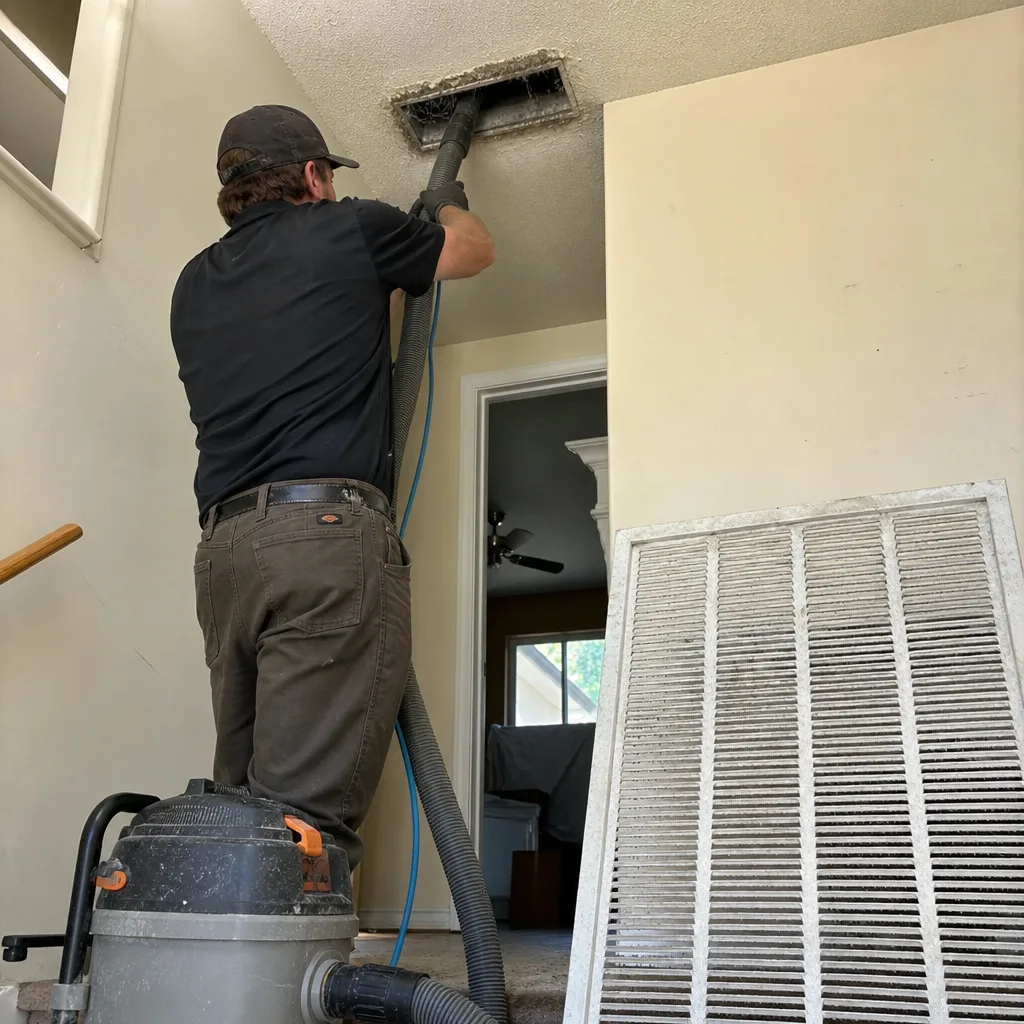 Before
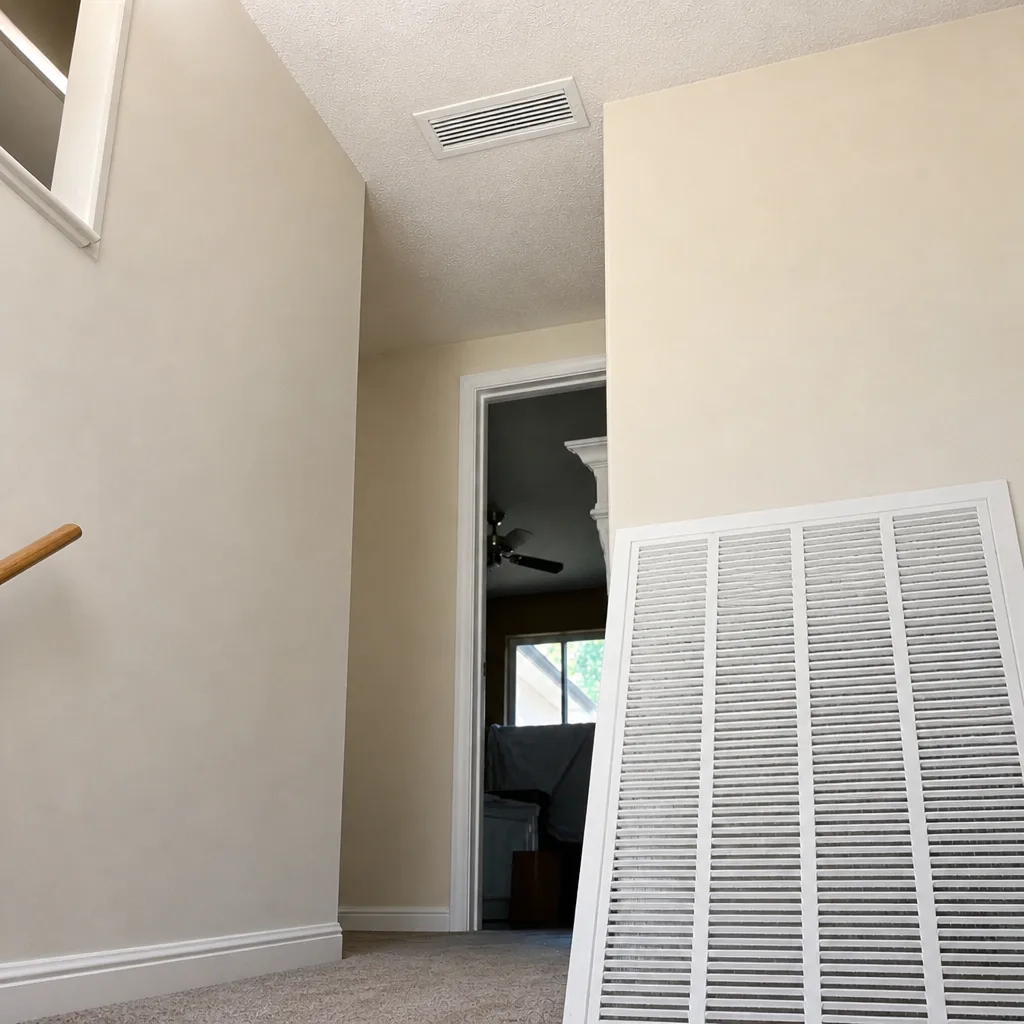 After
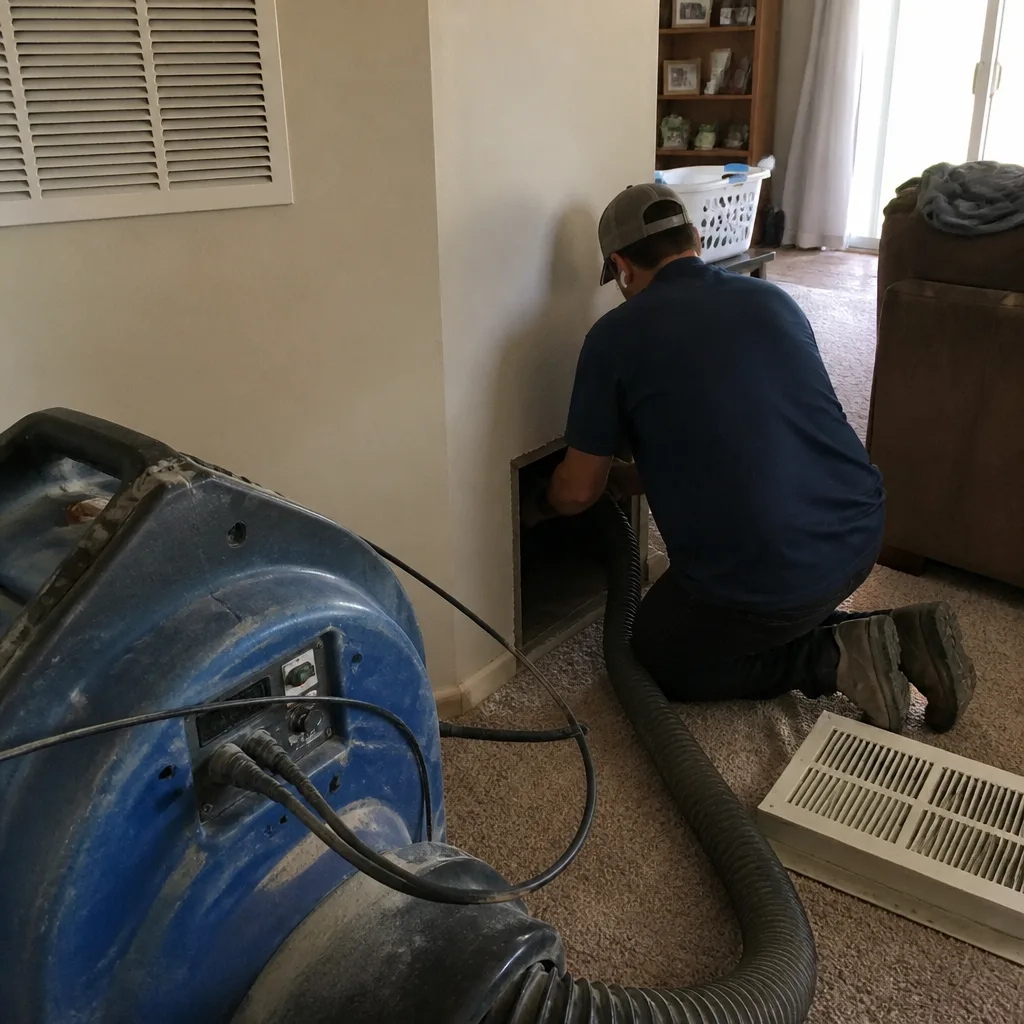 Before
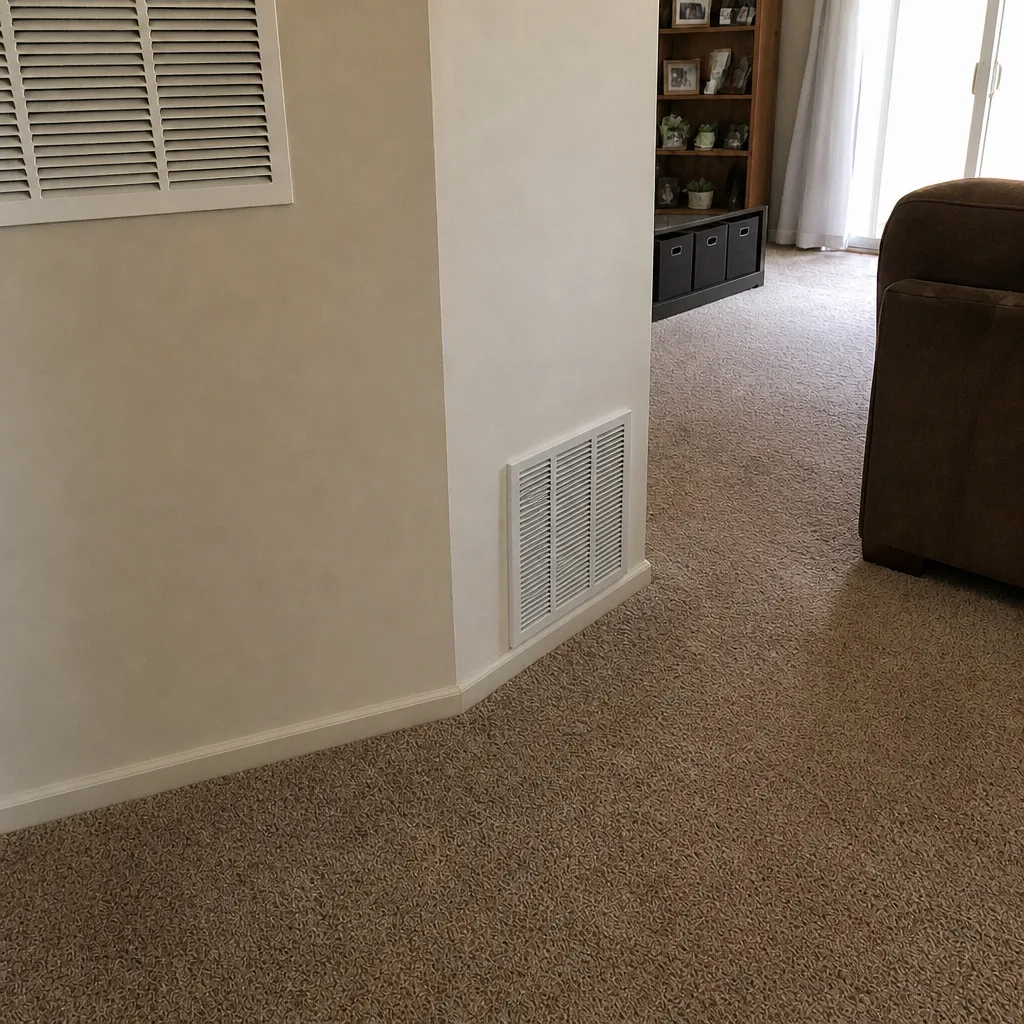 After
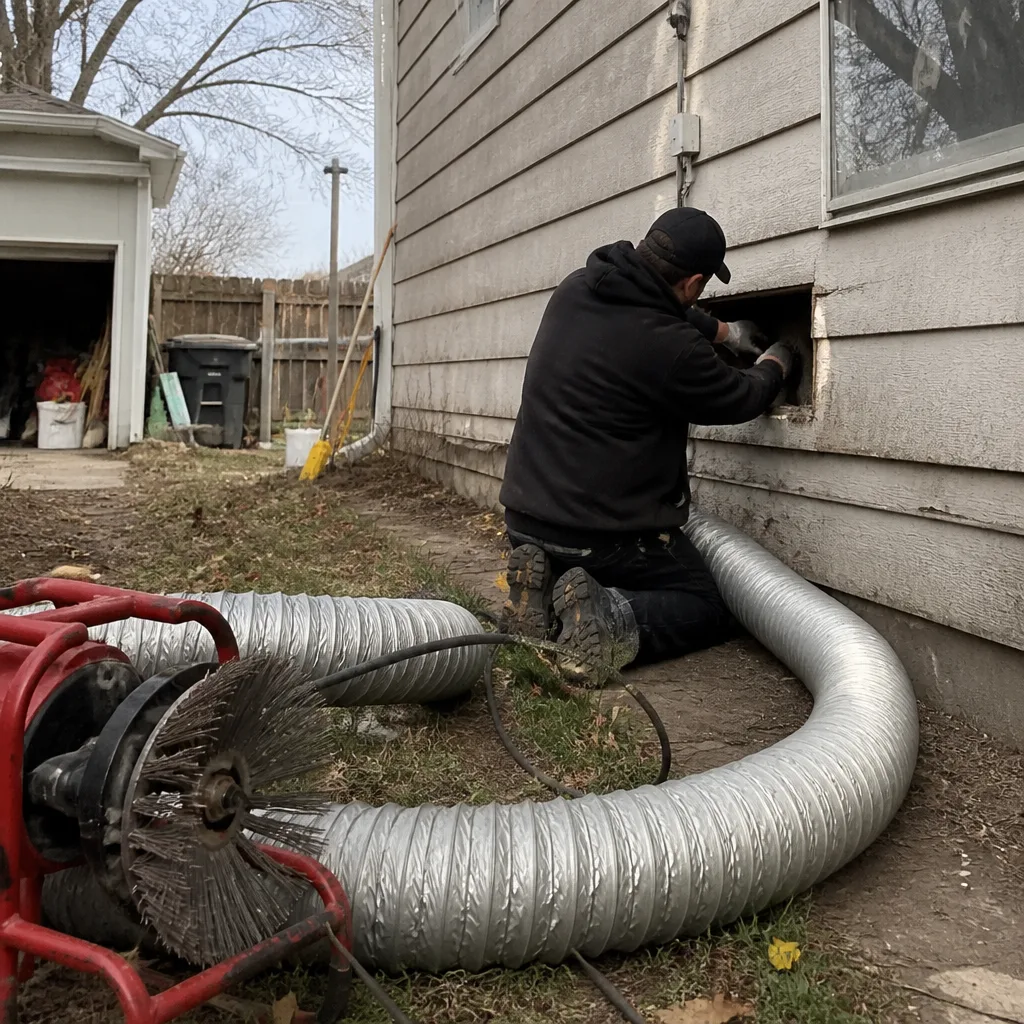 Before
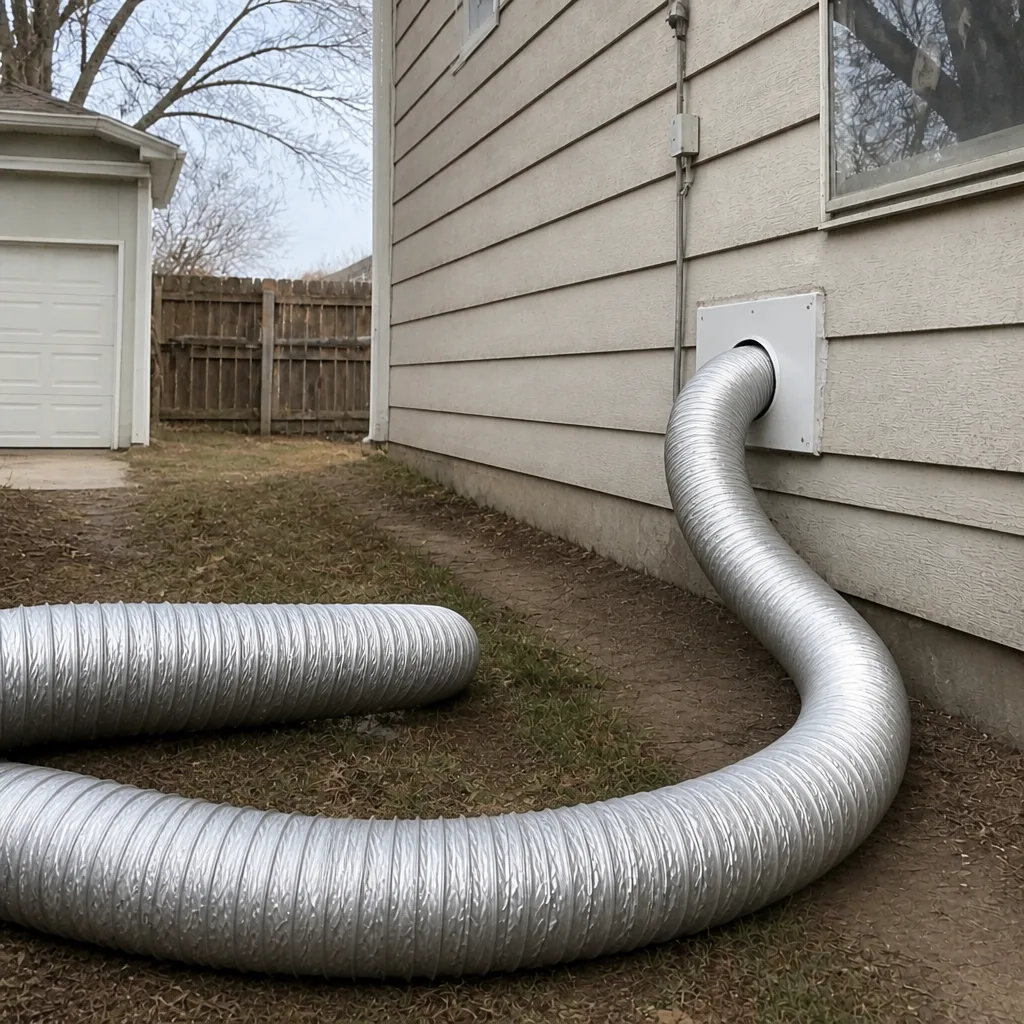 After
When to Call a Professional
Call us when you’re seeing visible dust at the registers or on surfaces shortly after cleaning, when the system kicks on with a musty or stale odor, or when the system has never been professionally inspected and you’re unsure what’s in the ductwork. Call if a recent inspection flagged leaking joints, disconnected flex, or damaged duct runs – that’s repair territory and needs a licensed mechanical professional in the loop. Call if your dryer takes two cycles to dry a load; that’s a fire-safety issue and part of dryer vent cleaning territory. Northglenn Air Duct Cleaning offers free estimates in Northglenn – call (855) 726-7093. We answer 24/7. Fast dispatch from 7am to 7pm, Sunday through Friday.
Frequently Asked Questions
No. Cleaning existing ducts, removing and reinstalling registers for access, and applying EPA-registered sanitizers inside the duct interior do not require a permit in Northglenn or Adams County. A permit is only triggered when the work becomes a mechanical alteration – cutting new access panels, replacing flex duct, modifying the plenum, or changing duct sizing. Call (855) 726-7093 for a flat-price estimate – estimates are free.
A licensed mechanical contractor in the jurisdiction where the work is performed. Colorado lets each jurisdiction adopt and enforce its own version of the mechanical code, and Adams County operates under the 2021 International Mechanical Code as amended locally. Cleaning companies without a mechanical license cannot legally pull a duct-work permit. If you’re unsure, confirm with the City of Northglenn’s building department before any work starts.
Mold remediation isn’t a permit-issued service the way mechanical work is. It falls under separate Colorado Department of Public Health and Environment guidance, which focuses on moisture correction, containment, HEPA filtration during removal, and cleaning verification. If a company is proposing remediation, ask what containment and filtration equipment they’re using – that’s the real test, not the permit status.
You inherit the exposure. During a home sale inspection, an inspector can flag unpermitted mechanical alterations, which becomes a buyer negotiation point. On an insurance claim, an adjuster can investigate whether faulty or unpermitted work contributed to the loss, and policy coverage can be affected. Retrofitting the work with a licensed mechanical professional and a valid permit is the cleanest resolution. Call (855) 726-7093 to talk through what you’re looking at.
There’s no universal schedule. Homes with pets, allergy sufferers, recent renovation, or a system that’s never been cleaned benefit most from an inspection every few years, with cleaning scoped to actual findings. Northglenn’s dry climate and fine dust load mean systems that go decades without cleaning can accumulate significant material. The right starting point is an inspection, not a recurring service contract. Call (855) 726-7093 for an exact quote – estimates are free.
Because they’re not scoping the same work. A low headline price usually covers register and grille cleaning without touching the plenum, the trunk line, or the air handler cabinet – the places where accumulated material actually lives. When professional-grade source-removal equipment and containment are part of the job, the price reflects that. We give one flat price per system agreed before work starts, no per-vent pricing, and before-and-after photos of your own ducts. Call (855) 726-7093 for a flat-price estimate on your system.
The Bottom Line
Duct cleaning in Northglenn doesn’t require a permit. Cutting, replacing, or modifying ductwork does, and that distinction is the one most homeowners learn the hard way. The 2021 IMC as adopted in Adams County puts mechanical alteration work behind a licensed contractor and an inspection; mold remediation sits in a separate CDPHE-aligned category with its own containment and verification practices; and unpermitted work surfaces at insurance claims and home sale inspections long after everyone’s forgotten the job. The practical defense is the same in every case: get the scope in writing, confirm licensing and permits before the first cut, and insist on before-and-after photos of your own system.
Call Northglenn Air Duct Cleaning at (855) 726-7093 for a free estimate. We answer 24/7. Fast dispatch from 7am to 7pm, Sunday through Friday. You’ll get a flat price per system agreed before work starts, professional-grade Rotobrush and Nikro equipment, and before-and-after photos delivered as part of the job. Our technicians have up to 10 years of experience, and we’ll walk you through which parts of the work are cleaning and which parts require a licensed mechanical professional, in writing, before anything is scheduled.
Written by the team at Northglenn Air Duct Cleaning.